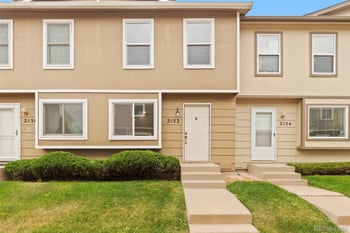
$639,000
Active
5
Beds
4
Baths
3811
Sqft
0.14
Acres
15510 Jessie Dr, Colorado Springs, CO 80921
MLS#: 7433854
.jpg)


Most routine yard work in Colorado does not need a permit, but fences over a set height, retaining walls above a certain size, grading that changes drainage, patios attached to the house, and tree removal in several Front Range cities all do. The rules differ by city and county, and an HOA or metro district can require its own approval before the city ever sees your application.
It depends on what you are building and where the property sits. Planting beds, mulch, mowing, and small garden edging never need a permit anywhere on the Front Range. Structures, grading, and anything that changes how water moves across a lot are the projects that trigger a review. Denver, Aurora, Lakewood, Littleton, Colorado Springs, and Fort Collins each publish their own permit tables, so the same project can need a permit in one city and not in the next one over.
Denver requires a permit for a fence over 6 feet tall in most residential zones, and rear and side yard fences are capped lower in several districts near the street. Aurora and Lakewood follow a similar 6-foot threshold in back yards with lower limits in front setbacks. Colorado Springs reviews fence height and placement through its zoning code rather than a separate building permit for most residential fences, but corner lots still have sight-triangle rules that limit height near intersections. Check your specific address before you order materials, because a fence that has to come back down costs twice.
Most Colorado building departments require a permit once a retaining wall reaches 4 feet in height, measured from the bottom of the footing to the top of the wall, not just the visible face. Expansive clay soil across the Denver metro area makes this rule matter: a wall built without an engineered footing can heave or lean within a few seasons as the clay swells and shrinks with moisture. A permitted wall means an inspector checked the footing depth and drainage behind it, which protects the wall and the patio or driveway above it.
A simple paver patio laid on sand or gravel, not attached to the house, does not need a permit in most cases in Denver, Aurora, or Lakewood. A patio or deck attached to the house, or one with a roof, pergola, or electrical run to it, does need a permit and an inspection. Decks also carry a Colorado-specific structural concern: snow load. The Front Range building code sets minimum snow load requirements for any roofed or raised structure, and an unpermitted deck built to a lighter out-of-state spec is a real risk after a heavy late-season storm.
Cities across the metro area require a grading or drainage permit any time landscaping changes how stormwater leaves a property, especially if runoff crosses onto a neighbor's lot or into the street. This comes up most with pool installations, large patio additions, and berms built to redirect water. Denver's building department reviews drainage plans specifically because the region's expansive clay soil holds water against foundations if grading sends it the wrong direction.
Denver requires a permit to remove any tree on public right-of-way (the strip between the sidewalk and the street) and regulates removal of certain large trees on private property in some zones. Fort Collins and Boulder have their own tree-preservation ordinances tied to trunk diameter. Emerald ash borer has spread through Front Range ash trees since it was first confirmed in Boulder County, and several cities now offer guidance or cost-share programs for removing and replacing infested ash trees, so check with your city forester before you cut one down, since a diseased tree can follow a different process than a healthy one.
An HOA or metro district's architectural review committee reviews landscaping plans separately from the city, and most require sign-off before you submit for a city permit at all, not after. Fences, retaining walls, patios, sheds, and even turf-to-xeriscape conversions commonly need HOA approval on top of any city requirement. Submit your plan to the HOA first: a city permit does not override a covenant violation, and reversing an HOA-rejected project after it is built gets expensive fast. Our Denver HOA rules and fees guide walks through how these architectural reviews work.
Denver Water and most Front Range utilities limit lawn watering to set days and hours during the summer, and several communities cap the amount of new cool-season turf allowed on a lot. Some HOAs still require a minimum percentage of live turf in front yards, which can conflict with a homeowner's plan to convert to xeriscape, so check the covenant language before you rip out sod. Converting to native and low-water plantings does not require a permit on its own in most cases, but any grading, edging wall, or irrigation change tied to the conversion can.
An unpermitted fence, wall, or patio gets flagged by code enforcement, and the city can require it to be torn out or brought up to code retroactively, which means opening up finished work for inspection. It also becomes a disclosure issue at resale.
Yes. Colorado's seller property disclosure asks directly about permits on additions and improvements, and a buyer's inspector routinely flags an unpermitted retaining wall, deck, or patio during the inspection period. Under a standard Colorado contract, that finding can become an inspection objection, giving the buyer room to ask for a permit to be pulled after the fact, a price reduction, or a credit. Pulling the permit before you list, or at least having the paperwork ready, keeps a landscaping project from turning into a negotiation problem. Our preparing and adding value before selling guide covers which improvements to document before a home goes on the market.
Homes in the wildland-urban interface west of Golden, Morrison, and along the foothills corridor fall under defensible space rules that shape landscaping choices directly: spacing between shrubs and trees near the house, keeping mulch and vegetation clear of a set radius around the structure, and using fire-resistant plant selections close to the foundation. Several foothills fire districts offer a free defensible space assessment, and some county building departments ask for proof of compliance before issuing other permits on wildfire-zone properties.
Ask for the printable permit checklist in the form below and the Kenna Real Estate Group emails it the same day, sorted by Denver, Aurora, Lakewood, Littleton, Colorado Springs, and Fort Collins. Hiring an experienced landscaper who already pulls permits in your city removes most of the guesswork on setbacks and wall engineering.
The Kenna Real Estate Group helps Front Range homeowners sort out which yard improvements need a permit before they list, and which ones an HOA will flag during a resale walk-through. Call or text 303-955-4220. A live person answers. Not a robot, not a phone tree. Ready to see what is for sale near you? Search every home for sale in Colorado.
Questions about any home in Colorado? Call or text 303-955-4220. A live person answers.
Denver requires a permit for a fence over 6 feet in most residential zones, with lower height limits near the street on corner lots. Check the address-specific zoning before ordering materials.
Most Front Range cities set the threshold at 4 feet, measured from the footing to the top of the wall. Expansive clay soil makes an engineered footing worth the permit even below that line.
No. HOA architectural approval and a city permit are two separate steps, and most HOAs require their sign-off before you apply to the city at all.
Denver requires a permit to remove trees in the public right-of-way and regulates removal of certain large trees on private property. Emerald ash borer removals can follow a different process, so check with the city forester first.
It can. Colorado's seller disclosure asks about permits on improvements, and an inspector who flags an unpermitted wall, deck, or patio can turn it into an inspection objection during the buyer's review period.
The plant conversion itself does not need a permit in most cases, but grading, edging walls, or irrigation changes tied to the project can. Check your HOA covenant too, since some require a minimum amount of live turf.
Defensible space rules govern vegetation spacing and clearance around a home in the wildland-urban interface near the foothills, including areas around Golden and Morrison. Several fire districts offer a free assessment.
Fees vary by city and by project scope, from a simple flat fee for a small wall to a higher fee tied to square footage for a large patio or grading plan. Call the building department for your address before budgeting the project.