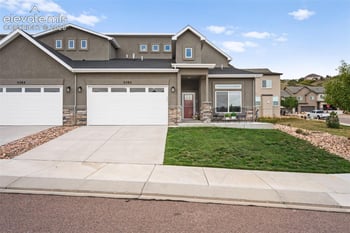
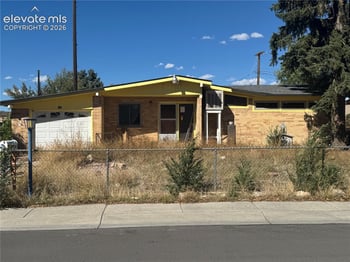
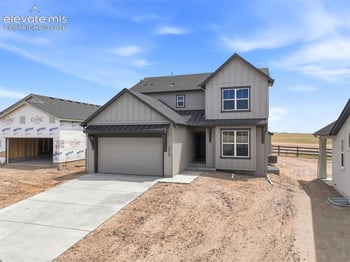
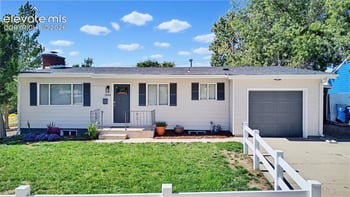
New - Just Now
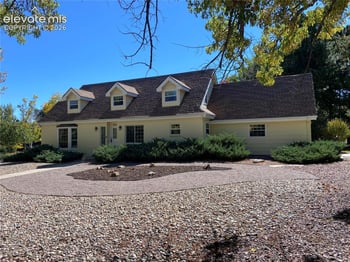
$675,000
Coming Soon
3
Beds
3
Baths
2409
Sqft
0.433
Acres
3015 Springdowns Pl, Colorado Springs, CO 80906
MLS#: 9778930
.jpg)


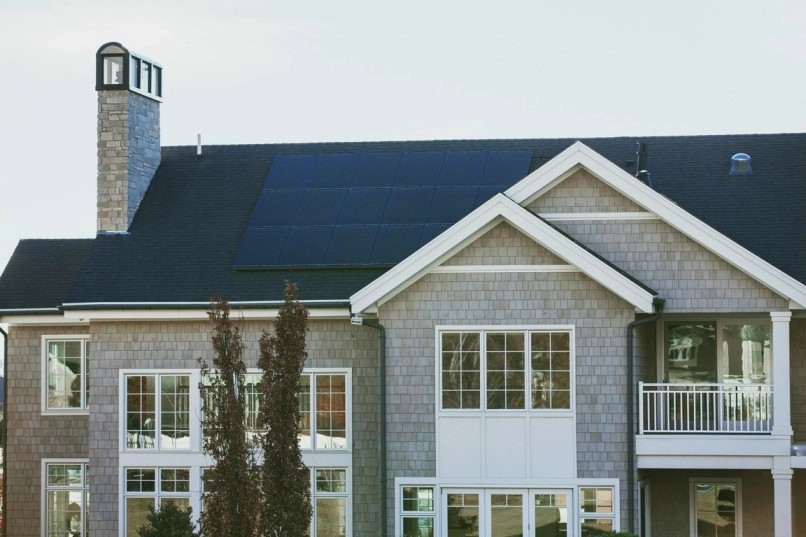
The upgrades that pay back fastest on a Colorado home are attic insulation, air sealing and a heat pump water heater, each returning the investment in 2 to 5 years through lower utility bills, while rooftop solar pays back in 7 to 12 years after Xcel Energy rebates and federal tax credits. Colorado gets close to 300 days of sun a year, but altitude, dry air and 300-day temperature swings change which upgrades make financial sense compared with a home at sea level.
Air sealing and attic insulation top the list for Front Range homes: a $2,000 to $4,000 insulation and air-sealing job on a 2,000 square foot home cuts heating and cooling costs by 15 to 25% and pays back within 2 to 5 years. A heat pump water heater ($1,800 to $3,500 installed) pays back in 3 to 6 years through lower electric or gas bills. Rooftop solar has the highest upfront cost but the largest total savings over 20 to 25 years once rebates and the federal residential clean energy credit are applied.
A residential solar system sized for an average Front Range home (6 to 8 kilowatts) costs $18,000 to $26,000 before incentives. Xcel Energy's Solar*Rewards program offers upfront and performance-based rebates that vary by system size and utility territory; confirm the current rebate amount directly with Xcel Energy or an installer, since the program adjusts its rates. The federal residential clean energy credit covers 30% of system cost through current law. Combined, a Colorado homeowner nets a payback period of 7 to 12 years in most cases, with the system producing power for 25 years or more. South-facing roof pitch, shading from trees, and elevation all affect output; Colorado's thinner air and intense UV at 5,280 feet actually improve panel efficiency slightly compared with sea-level installations, though cold winter mornings and summer hail risk both factor into the equation.
Colorado law (C.R.S. 38-30-168) limits an HOA's ability to prohibit solar panels outright, but associations retain the right to review placement, screening and equipment appearance through an architectural review process. Submit the HOA application before signing an installer contract; approval timelines run 2 to 6 weeks in most Front Range communities.
Cold-climate heat pumps rated for temperatures down to minus 5 to minus 15 degrees Fahrenheit handle Front Range winters and Colorado Springs elevation without a backup furnace in most cases, though homes above 7,000 feet or in mountain valleys with regular sub-zero nights keep a gas furnace as backup in most installations. Installation runs $8,000 to $16,000 for a full system serving a 2,000 square foot home, offset by Xcel Energy heat pump rebates that change from year to year; check the current rebate table before budgeting.
| Upgrade | Typical installed cost | Payback period |
|---|---|---|
| Attic insulation and air sealing | $2,000 to $4,000 | 2 to 5 years |
| Heat pump water heater | $1,800 to $3,500 | 3 to 6 years |
| Cold-climate heat pump (whole home) | $8,000 to $16,000 | 6 to 10 years |
| Rooftop solar, 6 to 8 kW | $18,000 to $26,000 before incentives | 7 to 12 years |
| Xeriscaping (front and back yard) | $4,000 to $12,000 | 3 to 7 years |
Colorado's low humidity and 40-plus-degree daily temperature swings put more stress on a home's building envelope than a milder, wetter climate does. Attic insulation rated at R-49 to R-60 and sealed rim joists and can lights cut the biggest source of heat loss on most Front Range homes built before 2000. Air sealing also reduces dust and pollen infiltration, a secondary benefit given Colorado's dry, windy spring conditions.
Tankless units perform well at Front Range elevations (5,000 to 6,000 feet) with standard venting; homes above 7,500 feet need a model rated for high-altitude combustion or an electric tankless unit instead. Installed cost runs $3,500 to $6,000 including venting changes from a tank unit, with a 15 to 20 year service life compared with 10 to 12 years for a standard tank.
Denver Water and most Front Range utilities restrict outdoor watering days and hours seasonally, and several districts pay turf replacement rebates for converting bluegrass lawn to xeriscape. Xeriscaping a typical Front Range lot (front and back combined) costs $4,000 to $12,000 and cuts outdoor water use by 50% or more once plants are established, with turf-replacement rebates covering $1 to $3 per square foot in participating districts. Low-flow fixtures and a smart irrigation controller add a lower-cost starting point at $500 to $1,500.
Colorado allows residential greywater reuse under state health department regulations adopted in 2013, with systems requiring a permit through the local county or municipal building department. Approved systems reuse water from showers, bathroom sinks and laundry for subsurface irrigation; a permitted residential system costs $3,000 to $10,000 depending on complexity and is uncommon enough on the Front Range that a licensed greywater installer is worth the extra research to find.
A smart thermostat with outdoor temperature learning adjusts faster to Colorado's rapid swings than a standard programmable model, and most Xcel Energy territories offer a rebate of $50 to $100 for qualifying models. Savings run 8 to 15% on heating and cooling costs annually, with payback inside the first year once the rebate is applied.
The federal Energy Efficient Home Improvement Credit covers a percentage of qualifying insulation, window, heat pump and electrical panel upgrades up to annual limits set by the IRS; the residential clean energy credit covers 30% of solar and battery storage costs with no annual cap through current law. Colorado has run its own state-level tax credit programs for specific upgrades in past years; confirm current eligibility with a tax professional or the Colorado Energy Office before assuming a state credit applies, since these programs change.
Solar, insulation and efficient HVAC systems appraise as a value-add when documented with permits, warranties and utility bill history, though appraisers weigh them differently than a kitchen remodel. A seller with a paid-off solar system and utility bill records sees stronger buyer interest in most cases and fewer objections during the inspection period than one without documentation. The Kenna preparing and adding value before selling guide and a Smart Pricing Report both account for efficiency upgrades when setting a list price.
Solar installation requires an electrical permit in every Front Range jurisdiction, and Denver, Aurora, Colorado Springs and most county building departments require inspection before the utility grants permission to operate. A licensed installer pulls these permits as part of the contract; confirm this is included before signing.
The Kenna Real Estate Group helps Front Range sellers document energy upgrades for a stronger listing and helps buyers evaluate a home's efficiency features before making an offer. Call or text 303-955-4220. A live person answers. Not a robot, not a phone tree. Search every home for sale in Colorado at kennarealestate.com/homes.
Questions about any home in Colorado? Call or text 303-955-4220. A live person answers.
Attic insulation and air sealing, at $2,000 to $4,000 installed, pays back in 2 to 5 years through lower heating and cooling costs on a Front Range home.
A 6 to 8 kilowatt system runs $18,000 to $26,000 before incentives; combined Xcel Energy and federal tax credit incentives bring the net payback period to 7 to 12 years.
Colorado law limits an HOA's ability to prohibit solar outright, though associations can review panel placement and screening through an architectural review process.
Cold-climate heat pumps rated to minus 5 to minus 15 degrees Fahrenheit handle most Front Range winters without a backup furnace; homes above 7,000 feet with regular sub-zero nights keep a gas furnace as backup in most cases.
Yes, under state health department regulations adopted in 2013, with a permit required through the local county or municipal building department for a residential system.
A typical Front Range yard conversion costs $4,000 to $12,000 and cuts outdoor water use by 50% or more, with several districts offering turf-replacement rebates of $1 to $3 per square foot.
Documented solar, insulation and efficient HVAC upgrades with permits and utility bill history strengthen buyer interest in most cases, though appraisers weigh them differently than a kitchen or bath remodel.
Every Front Range jurisdiction requires an electrical permit and inspection before the utility grants permission to operate; a licensed installer pulls these as part of the contract in almost every case.