New - 4 Hours Ago

.jpg)


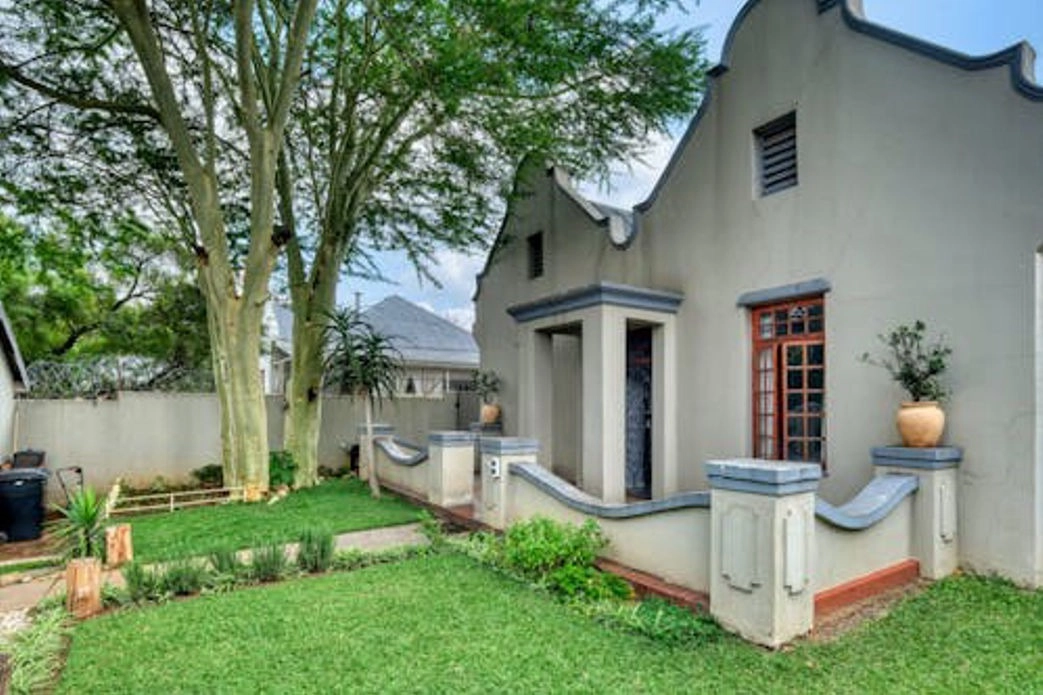
Four exterior projects move the needle on a Colorado home's curb appeal without a full remodel budget: the front door, a deck or outdoor living space, water-wise landscaping, and exterior lighting. Each one has a Front Range version that differs from a national how-to guide, mostly around UV exposure, hail, HOA rules and Denver Water's landscaping requirements.
This guide covers what each upgrade costs installed on the Front Range, what holds up to the climate here, and which of the four to prioritize before listing a home.
A front door in fiberglass or steel handles Front Range UV and freeze-thaw better than a solid wood door, which checks and warps under repeated sun-and-cold cycling unless it is refinished every few years. Fiberglass doors take a stain finish that mimics wood grain without the maintenance, and steel doors offer the best per-dollar insulation value for a Denver winter.
New hardware, a repainted or refinished slab, and updated exterior lighting at the entry run $600 to $2,500 depending on scope. A full door and frame replacement runs $1,800 to $4,500 installed on a typical Front Range home.
A deck extends a Colorado home's usable living space for roughly seven months of the year and reads well in listing photos when the home has a mountain or open-space view. Composite decking costs more up front than wood but resists the UV fading, splintering and freeze-thaw cracking that shortens a wood deck's finish life on the Front Range.
Most Front Range HOAs require Architectural Review Committee approval for a new deck, including size, material and railing style. Cities and counties require a building permit for any deck attached to the structure or built above a set height off grade; confirm both before signing a contract.
Front Range soil is heavier on expansive bentonite clay than most homeowners realize, and a deck footing set too shallow or without a properly engineered frost depth moves as the soil swells and shrinks with moisture. Denver-metro building codes require footings set below the local frost line, in the 30 to 36 inch range depending on jurisdiction, to keep the structure stable through winter freeze-thaw. A contractor who skips proper footing depth to save a day of digging sets up a deck that heaves, separates from the house, or develops an uneven surface within a few years.
The right door style depends on the home's architecture as much as the material it is made from. A mid-century modern Denver home reads best with a clean-lined door in a bold single color; a traditional Front Range two-story calls for a paneled door with sidelights; a mountain-contemporary build suits a wood-look fiberglass door with black hardware. Matching style to architecture matters as much to a buyer's first impression as the material choice does, since a mismatched door reads as an odd, out-of-place update rather than an improvement.
Denver Water and most Front Range utilities restrict lawn irrigation schedules and, for new construction and some renovations, limit how much of a lot is planted in traditional turf. Xeriscaping, replacing thirsty turf with native and drought-adapted plants, gravel and mulch, cuts a home's water bill and its ongoing maintenance cost at the same time.
Practical ideas beyond turf replacement include layered native perennial beds, drip irrigation instead of spray heads, and hardscaping such as a gravel or paver path. The Spruce's guide to low-maintenance front yard landscaping covers layout ideas that translate well to a smaller Front Range front yard once the plant list is swapped for Colorado natives.
A xeriscape front-yard conversion on a typical Denver-metro lot runs $4,000 to $12,000 depending on hardscape and irrigation changes, and it lowers the summer water bill enough to show up in year-over-year utility statements.
Foundation beds directly against the house need plant material that tolerates reflected heat off siding and masonry along with the region's strong sun. Ornamental grasses, low-water native shrubs and perennial beds hold their shape through a Front Range summer with far less irrigation than a traditional annual flower bed, and most look better in listing photos through more of the year since they are not tied to a single bloom window.
Most Front Range HOAs publish an approved plant list or at minimum a set of landscaping guidelines covering mulch color, edging material and maximum bed size visible from the street. Checking that list before installing new foundation plantings avoids a repeat project if the HOA requests changes after the fact.
Path lighting, uplighting on mature trees, and a well-lit entry extend how long a home shows well into the evening and stretch usable time on a deck or patio into the cooler shoulder-season months. The Spruce's outdoor lighting ideas guide covers fixture types and placement that work whether the home has a formal landscape plan or a simple front walk. Low-voltage LED systems run $1,500 to $5,000 installed for a typical Front Range front yard and entry.
Few Front Range homeowners tackle all four upgrades in the same season, and sequencing them by return matters more than doing everything at once. A front door refresh and a landscaping cleanup deliver the fastest visible change for the lowest cost, while a full deck build takes the longest to plan, permit and complete. Spreading the four projects across a spring-to-listing timeline, rather than compressing them into the final weeks before photos, keeps each one from competing for the same contractor availability during the Front Range's busiest exterior-work season.
| Upgrade | Typical cost | Best timing |
|---|---|---|
| Front door refresh | $600 to $2,500 | Any time, fast turnaround |
| Full door replacement | $1,800 to $4,500 | 4 to 8 weeks before listing |
| Xeriscape front-yard conversion | $4,000 to $12,000 | Spring, before listing photos |
| Exterior lighting | $1,500 to $5,000 | 2 to 4 weeks before listing |
| New deck | $25 to $65 per sq ft | Spring or summer, plan for HOA approval time |
A Smart Pricing Report from the Kenna Real Estate Group compares homes with and without recent exterior upgrades in your specific neighborhood, so you can weigh which of these four projects returns the most before you list.
The Kenna Real Estate Group walks Front Range sellers through which exterior projects are worth doing before photos and showings, based on what buyers in your specific neighborhood are actually paying for. Call or text 303-955-4220. A live person answers. Not a robot, not a phone tree. Search every home for sale in Colorado.
Questions about any home in Colorado? Call or text 303-955-4220. A live person answers.
Fiberglass and steel hold up better than solid wood against Front Range UV and freeze-thaw cycling without repeated refinishing.
Almost always. Most HOAs require Architectural Review Committee sign-off on deck size, material and railing style before construction starts.
Landscaping with native and drought-adapted plants, gravel and efficient irrigation instead of traditional turf, which lowers water use and maintenance on the Front Range.
Denver Water and most Front Range utilities restrict irrigation schedules, and some jurisdictions limit turf percentage on new landscaping.
Expect $4,000 to $12,000 depending on hardscape, plant selection and irrigation changes.
Yes. Path, entry and accent lighting extend showing hours and photograph well for evening listing photos.
For most Front Range sellers, a front door refresh and landscaping cleanup return the most per dollar spent; a full deck build costs more and pays off mainly for buyers who use outdoor space heavily.


