New - 14 Hours Ago

.jpg)


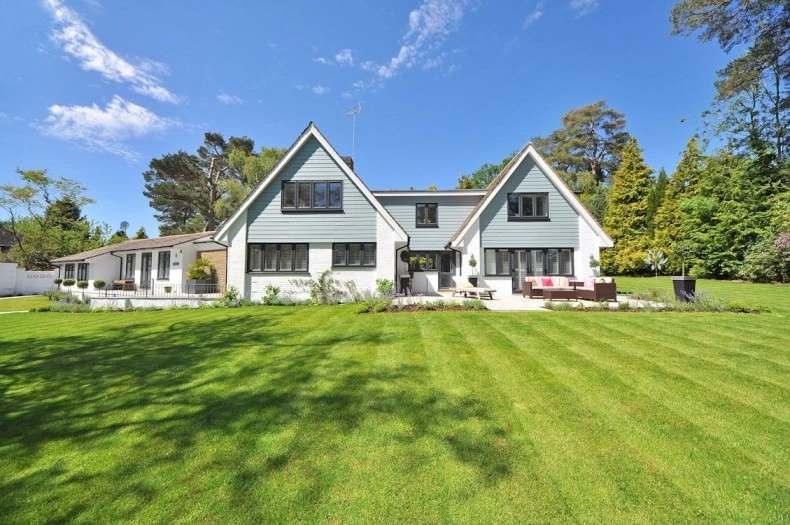
An exterior upgrade plan in Colorado has to account for hail, freeze-thaw cycling, intense UV at 5,280 feet, and HOA design rules that vary block to block along the Front Range. This guide walks through each exterior feature in the order most homeowners tackle them, with real costs and what to prioritize first.
The roof, since it protects every other exterior investment underneath it. A leaking or hail-damaged roof undermines new siding, paint, and landscaping faster than any other single deferred repair, so it is the upgrade to address before spending on cosmetic features.
Class 4 impact-rated asphalt shingles resist denting from hail up to 2 inches in diameter and qualify Front Range homeowners for a 10% to 30% discount on the wind and hail portion of their insurance policy. A full roof replacement with Class 4 shingles runs $12,000 to $22,000 for an average Denver metro home, depending on size and roof complexity.
Dual-pane windows with a low-E coating and argon gas fill reduce heat transfer during Colorado's large daily temperature swings, which can run 30 to 40 degrees between a summer morning and afternoon on the Front Range. Replacing single-pane or older double-pane windows runs $600 to $1,200 per window installed and reduces heating and cooling costs 10% to 15%.
| Siding material | Freeze-thaw performance | Installed cost per sq ft |
|---|---|---|
| Vinyl | Fair; can crack in hard cold | $4 to $9 |
| Fiber cement | Excellent | $9 to $14 |
| Engineered wood (LP SmartSide) | Good | $7 to $11 |
| Stucco | Fair to good with proper sealing | $8 to $12 |
Front Range building codes require deck framing to meet local snow-load requirements, which vary by elevation and jurisdiction, and composite decking with UV-stabilized coloring holds up far better than untreated wood against the region's intense sun. A new composite deck runs $35 to $60 per square foot installed, versus $20 to $40 for pressure-treated wood that will need more frequent staining.
Xeriscape beds with native, drought-tolerant plants cut outdoor water use 50% to 70% compared to a full turf lawn, and several Front Range water utilities, including Denver Water, offer turf-replacement rebates. A partial front-yard conversion runs $3,000 to $8,000 depending on hardscape.
A growing number of Front Range metro districts and HOAs require shielded, downward-facing fixtures under dark-sky lighting ordinances, particularly in foothills and mountain-adjacent communities. Confirming fixture requirements with your HOA before purchasing avoids buying lights that need to be swapped after an Architectural Review Committee rejection.
Stamped concrete and pavers handle Colorado's freeze-thaw cycling better than standard poured concrete, which is more prone to surface cracking and spalling from repeated freezing after moisture absorption. Sealing any concrete surface every 2 to 3 years extends its life significantly regardless of material.
A whole-exterior project runs $30,000 to $60,000 or more, which homeowners commonly finance through a cash-out refinance or home equity line of credit rather than paying out of pocket. Mike Oswald at Rate (NMLS 261003, Equal Housing Lender) helps Front Range homeowners compare those options before committing to a project; you are free to use any lender. Start at Colorado home financing or Kenna Credit Care.
Roof and siding replacement, deck construction, and any electrical or structural work require a permit in Denver, Aurora, Lakewood, and Colorado Springs; painting and landscaping do not. Permit requirements and fees differ by city and county, so confirm with the local building department before scheduling contractors.
Most Front Range HOAs require Architectural Review Committee approval for roofing material or color, siding color or material, window frame color, deck construction, and fencing. Submitting plans 30 to 45 days ahead of a planned start date keeps a project on schedule.
Exterior smart features like video doorbells, smart locks, and irrigation controllers perform well in Colorado's climate, though extreme cold can shorten battery life on wireless doorbell cameras during winter months. Hardwired options avoid that issue for homeowners planning to keep the feature long-term.
Roof, then siding and windows together (since replacing them in the same project allows better sealing at the transitions), then decks and hardscape, then landscaping and lighting last. Tackling landscaping first, before structural work, means redoing beds or hardscape damaged during roofing or siding work.
Appraisers factor overall exterior condition into the condition rating that adjusts comparable sales, and documented recent upgrades, with permits and invoices, support a stronger rating than deferred maintenance. The rating matters more for an appraisal than any single upgrade's line-item cost.
Upgrading before listing lets a seller control cost, contractor choice, and timeline, and it removes items from a buyer's Inspection Objection before they can become a negotiating point. Letting the buyer handle it after closing is only advantageous when the seller needs to move quickly and is comfortable pricing the home to reflect the deferred work; run the numbers against a Colorado Smart Pricing Report before deciding.
Colorado's hail season runs mid-April through mid-September, which is also peak scheduling demand for roofing and siding contractors, since storm damage repair work competes for the same crews as planned upgrade projects. Scheduling a planned roof or siding upgrade for March or early April, before the season's first major storms, means faster scheduling and pricing before demand spikes.
Projects delayed into the middle of hail season risk a new storm damaging materials that are only partway installed, or a scheduled crew getting pulled onto emergency storm-damage repairs ahead of a planned upgrade. Homeowners planning a full exterior renovation should build this seasonal timing into the project calendar rather than treating it as a year-round decision.
The Kenna Real Estate Group helps Front Range homeowners sequence exterior upgrades so the money spent shows up in the appraisal and the sale price, not just the curb view. Call or text 303-955-4220. A live person answers. Not a robot, not a phone tree. When you are ready, search every home for sale in Colorado.
Questions about any home in Colorado? Call or text 303-955-4220. A live person answers.
The roof, since a failing or hail-damaged roof undermines every other exterior investment installed after it.
A full project covering roof, siding, windows, and landscaping runs $30,000 to $60,000 or more, depending on home size and material choices.
Most Front Range HOAs require Architectural Review Committee approval for roofing, siding, window color, decks, and fencing, a 30- to 45-day process.
Fiber cement siding performs best against freeze-thaw cracking and hail, followed by engineered wood products like LP SmartSide.
Most homeowners use a cash-out refinance or home equity line of credit. Mike Oswald at Rate (NMLS 261003, Equal Housing Lender) can walk through the numbers; you are free to use any lender.
Yes, most Front Range cities require a permit for deck construction, and framing must meet local snow-load requirements.