.jpg)


Living in Highlands Ranch has its charms—sweeping open space views, strong schools, and a real sense of community—but if you work in the Denver Tech Center, downtown Denver, or even further north, your commute will be shaped by the realities of suburban infrastructure. We’ve got exceptional highway access, but public transportation remains thin, and walkability is only a real option if you’re in or near Town Center. Let’s unpack what that means for day-to-day life here in 2025 and how it plays out differently depending on which neighborhood you choose.
Driving Realities: Highway Access and Everyday Traffic
Highlands Ranch commuters are spoiled with quick access to C-470, E-470, and I-25. That said, “quick” is relative. If you leave Backcountry or Falcon Hills after 7:30 a.m., you’ll feel the bottleneck at Quebec and C-470, where brake lights stretch like a red ribbon toward the Tech Center. West-side residents in Westridge often use Santa Fe Drive to bypass that congestion, especially if they’re headed downtown.
Locals know that University Boulevard can be a lifesaver in the morning if you time it right, though it comes with a half-dozen school zones, which can add ten minutes to your trip if you hit them during drop-off. On stormy winter days, the climb up Broadway from the lowlands can be surprisingly slick, so four-wheel drive is more than a “nice to have” here.
- Downtown Denver: ~30–40 minutes in light traffic, 50+ in rush hour.
- DTC: ~15–25 minutes depending on starting neighborhood.
- DIA: ~40–50 minutes via E-470, tolls apply.
Public Transportation: The RTD Reality
Highlands Ranch has no light rail stations within its boundaries. Most residents drive to Mineral Station in Littleton or Lincoln Station in Lone Tree. If you’re in Brownstones at Town Center or Clocktower at Town Center Condos, the bus routes that feed these stations are within walking distance. For others, it’s a park-and-ride situation, with most lots filling up before 8:00 a.m. on weekdays.
Buses serve major stops in Town Center and along Highlands Ranch Parkway, but frequency drops noticeably outside peak hours. If you’ve ever tried catching the last evening bus home after a downtown concert, you know the anxiety of checking your watch at 10:15 p.m. and wondering if you’ll make it.
Walkability and Bike Connectivity
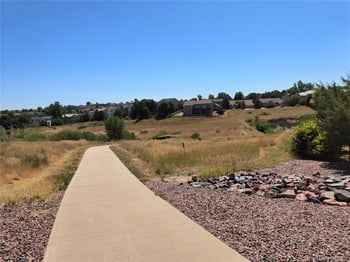
While Highlands Ranch is famous for its trails network—over 70 miles weaving through greenbelts and open spaces—those paths are designed for recreation, not functional commuting. If you’re in Carlyle Park, The Spaces, or near Town Center, you can walk to coffee shops, grocery stores, and bus stops. But for most neighborhoods, errands require a car.
Cyclists heading to the Tech Center often use the regional trail connection through Centennial, but you’ll want to plan for early departures and good lights in winter months. Morning frost on shaded underpasses is a common hazard that only locals mention.
Comparing Commutes With Other Denver Suburbs
Compared to Parker, Highlands Ranch offers faster access to I-25 and the Tech Center, but Parker’s proximity to light rail at RidgeGate can be an edge for those who prefer to skip the freeway. Centennial beats us on direct rail access but lacks our cohesive trail system and community rec centers.
Even within Highlands Ranch, the differences are real: Eastridge shaves minutes off a DTC drive, while Backcountry residents enjoy stunning open space at the cost of a longer haul to major highways.
Future Infrastructure and Mobility Plans
Douglas County is studying signal timing improvements along University and Broadway, which could reduce commute times slightly during peak hours. There’s also talk of expanding microtransit pilot programs in select neighborhoods like Southridge to connect more residents to park-and-ride locations without requiring personal cars.
Trail expansions in 2025 will improve east–west bike connectivity, a win for neighborhoods like Weatherstone and Lantern Hill. But don’t expect a light rail station in Highlands Ranch anytime soon—RTD’s long-range plans don’t place one here within the next decade.
Matching Neighborhoods to Commute Styles
If you’re a daily driver to the DTC, living in Kentley Hills or Eastridge can save you stress. Hybrid workers who only hit the office twice a week often gravitate toward scenic enclaves like Highwoods or Tresana, trading commute convenience for mountain views and quieter streets.
Retirees or semi-retired residents in Gleneagles Village prioritize proximity to essential services over rush-hour efficiency. For them, a quick walk to the grocery store or a coffee meetup at Town Center beats shaving five minutes off a highway drive.
Bottom Line: Balancing Access, Lifestyle, and Cost
Highlands Ranch is a commuter-friendly suburb if you’re car-oriented and don’t mind strategizing around rush hours. It’s less ideal if you want frequent public transit or can’t imagine driving for every errand. Your neighborhood choice here isn’t just about the house—it’s about how you’ll move through your week. Whether you’re dodging C-470 traffic on a rainy Monday, squeezing in a bike ride before a hybrid workday, or catching the last bus home after a game downtown, the commute is part of the Highlands Ranch lifestyle.
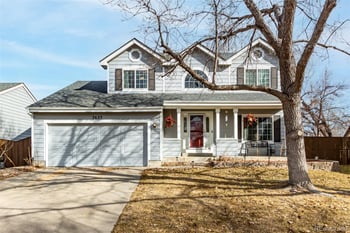
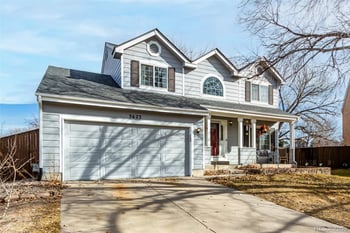
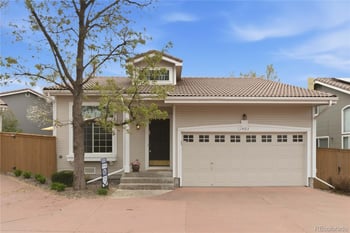
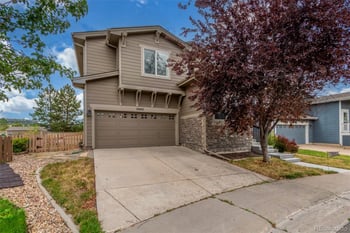
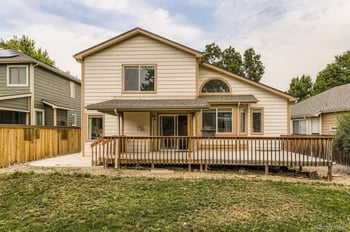
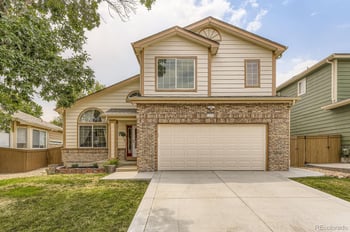
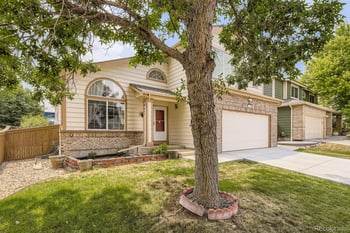
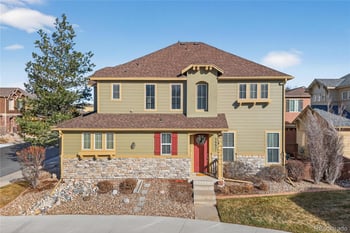
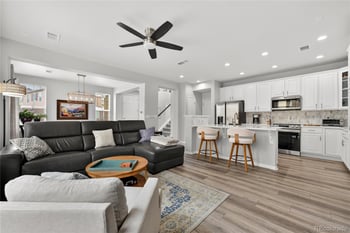
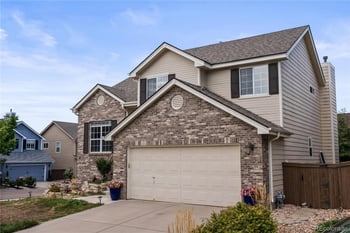
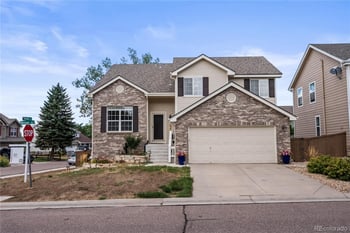
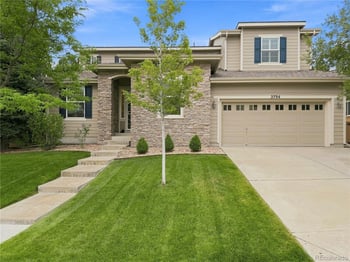
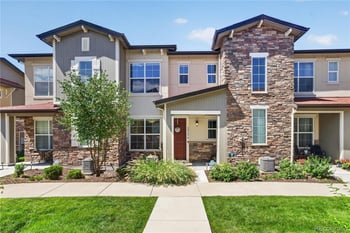
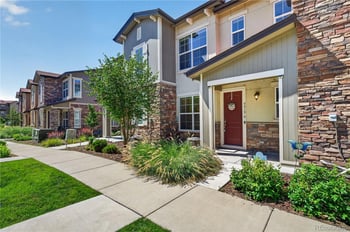
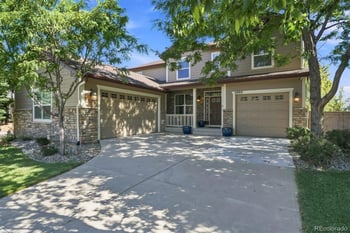
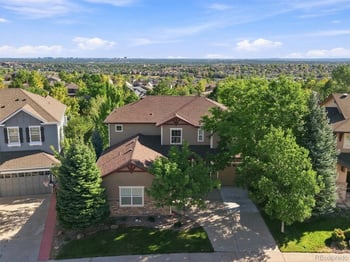
Highlands Ranch Home Listings with Easy Commutes

Frequently Asked Questions About Commuting in Highlands Ranch
Where is the nearest light rail station to Highlands Ranch?
The closest RTD light rail stations are Mineral Station in Littleton and Lincoln Station in Lone Tree. Most residents drive to these and use nearby park-and-ride lots. If you live in or near Town Center, you can access bus routes that feed into both stations.
Is Highlands Ranch walkable for daily errands?
Walkability is strongest near Town Center, Carlyle Park, and The Spaces, where shops, dining, and bus stops are nearby. Most neighborhoods rely on cars for daily errands, though the extensive trail network makes recreational walking and biking easy.
How bad is traffic from Highlands Ranch to the Denver Tech Center?
In light traffic, you can reach the DTC in 15–25 minutes. During peak rush hours, expect 30–40 minutes, especially if you’re starting from western neighborhoods like Backcountry. Eastside areas like Eastridge tend to have quicker freeway access.
Can you commute by bike from Highlands Ranch to Denver?
Some cyclists commute to the Denver Tech Center via regional trail connections through Centennial, though it’s a significant ride. Winter conditions and early morning frost on shaded trails can make it challenging, so most riders use this option seasonally.
What neighborhoods are best for commuters in Highlands Ranch?
Eastridge and Kentley Hills offer some of the fastest freeway access for DTC commuters. Town Center condos provide walkable transit connections, while hybrid workers often choose scenic neighborhoods like Highwoods or Tresana where commute time is less of a daily concern.
Are there future transit plans for Highlands Ranch?
While there are no plans for light rail within Highlands Ranch in the next decade, Douglas County is working on roadway improvements and possible microtransit pilots to improve connectivity to park-and-ride locations.