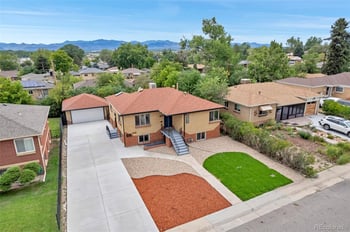
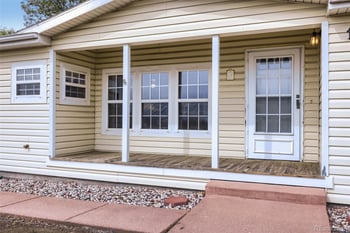
New - 6 Hours Ago

$1,275,000
Active
2
Beds
2
Baths
1615
Sqft
--
Acres
275 S Harrison St #602, Denver, CO 80209
MLS#: REC6619828
.jpg)



Colorado charges no state gift tax and no state estate or inheritance tax, so a Colorado family giving or receiving real estate deals only with federal rules. Those federal rules changed the math for a lot of Front Range households over the past few years, and they matter most when a parent wants to help a child buy a Front Range home or pass one down.
No. Colorado is one of the majority of states with no separate gift tax and no state estate or inheritance tax. A Colorado resident giving or receiving a house, cash, or other property deals only with the federal gift tax system, not a state-level one.
The IRS lets anyone give any other person a set dollar amount each year with no gift tax return required at all. That per-recipient annual amount is adjusted for inflation most years and has been in the $17,000 to $19,000 range recently — confirm the current-year figure at irs.gov before you plan around it. A married couple can combine their exclusions to give double that amount to one recipient.
Above the annual exclusion, gifts count against a much larger lifetime gift and estate tax exemption, which has been in the multi-million-dollar range per person in recent years and is set by Congress, with periodic adjustments. Most Colorado households never approach this lifetime figure even when gifting a home outright, but the exact current number moves with tax law — an estate attorney or CPA should confirm it before you rely on it for a large transfer.
Not immediately, in most cases. Gifting a home above the annual exclusion requires filing a gift tax return (IRS Form 709), but tax is only owed once your cumulative lifetime gifts exceed the lifetime exemption. Filing the return is still required even when no tax is due, so it tracks against the lifetime total.
The biggest financial difference is the cost basis the recipient ends up with. Gift the home during your lifetime, and the recipient takes your original cost basis (carryover basis) in most cases — if you paid $150,000 decades ago, that is roughly their basis too, and they owe capital gains tax on the full appreciation when they eventually sell. Leave the home through a will or a beneficiary deed instead, and the recipient gets a stepped-up basis in most cases to the home's fair market value on the date of death, which can eliminate most or all capital gains tax on a later sale.
| Method | Recipient's cost basis |
|---|---|
| Gift during your lifetime | Carryover: your original purchase price plus improvements |
| Inherited at death (will, trust, or beneficiary deed) | Stepped-up to fair market value at date of death |
Colorado allows a beneficiary deed, recorded now, that transfers a home to a named person automatically at death without going through probate, while the current owner keeps full control and can revoke it any time while alive. It is a common tool for Front Range households that want to avoid probate on a home without gifting it away today and losing the stepped-up basis.
Parents helping a child buy a Denver-metro home give cash toward a down payment far more than they gift the home itself, as a rule. A gift under the annual exclusion needs no tax filing at all. A larger gift is still not taxed to either party in most cases — it is reported by the giver against their lifetime exemption, and the recipient never owes income tax on a gift.
Conventional, FHA and VA lenders all require a signed gift letter stating the money is a gift with no repayment expected, the relationship between giver and recipient, the amount, and the source account. Expect the lender to want a bank statement showing the funds leaving the giver's account and landing in the buyer's, dated before closing. Mike Oswald at Rate (NMLS 261003, Equal Housing Lender) can confirm exactly what documentation a specific loan program needs before the funds move — you are free to use any lender.
You can add a family member to the title as a co-owner rather than gifting the whole property, which is itself treated as a gift of that fractional interest at its fair market value. This is common when a parent wants a child on title for eventual inheritance planning but is not ready to give up full ownership; an estate attorney should structure it so the basis and control outcomes match what the family actually wants.
A qualified personal residence trust (QPRT) lets a homeowner transfer a house into a trust for the benefit of heirs while continuing to live in it for a set term of years, which can reduce the gift's taxable value compared to an outright transfer. This is a strategy for larger estates and needs an estate attorney, not a real estate agent, to set up correctly.
Gifting a Colorado rental works under the same carryover-basis rule as a primary home, plus the recipient inherits any accumulated depreciation exposure. Selling the rental instead and using a 1031 exchange, or holding it until death for the stepped-up basis, are the two paths worth comparing before an outright gift. See the Colorado Real Estate Investing Guide for how Front Range investors weigh these options.
Colorado assesses property tax based on the county assessor's valuation of the property itself, not the ownership structure, so a straightforward family gift or an addition to title does not by itself trigger a reassessment the way a market sale can in some other states. Confirm the specific transfer type with the county assessor's office, since deed type and any consideration paid can matter.
Bring in an estate attorney whenever the plan involves a trust, a QPRT, adding a non-spouse to title, or any transfer large enough to touch the lifetime exemption. A real estate agent can tell you what a Front Range home is worth and handle the transaction paperwork; only an attorney and CPA can tell you the right structure for your family's tax and inheritance goals.
Whether your family is structuring a down-payment gift, adding a child to title, or planning how a home passes down, the Kenna Real Estate Group can walk through the real estate side while you loop in a CPA or estate attorney for the tax filing. Call or text 303-955-4220. A live person answers. Not a robot, not a phone tree. Ready to see what is on the market for the next generation of the family? Search every home for sale in Colorado.
Questions about any home in Colorado? Call or text 303-955-4220. A live person answers.
No. Receiving a gift, including a house, is not taxable income to the recipient under federal law. Any gift tax liability and filing obligation falls on the giver, not the recipient.
No federal gift tax return is required for a gift to one person that stays at or under the current annual per-recipient exclusion amount.
Yes, a properly recorded Colorado beneficiary deed transfers the property directly to the named beneficiary at death, bypassing probate for that asset, while the owner keeps full control during their lifetime.
Yes. The current owner can revoke or change a Colorado beneficiary deed at any time while alive, which is one reason Front Range households use it instead of an irrevocable lifetime gift.
The same annual exclusion and lifetime exemption rules apply regardless of the relationship between giver and recipient; a generation-skipping transfer tax can apply separately to very large gifts to grandchildren, which is a question for an estate attorney.
Requirements vary by lender and loan program; some require notarization, most require a signed statement and bank documentation showing the transfer. Confirm the exact form with your loan officer.
Only if there is no genuine expectation of repayment. A real loan, even between family, should be documented with a promissory note and reasonable interest to avoid it being reclassified as a gift.
No. A real estate agent can handle the deed, title and closing logistics, but the gift tax return and any estate planning documents need a CPA or estate attorney.