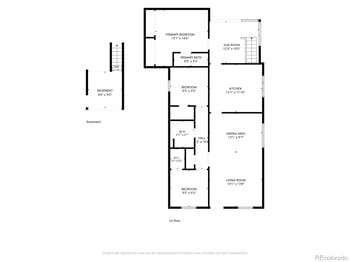
New - 16 Hours Ago
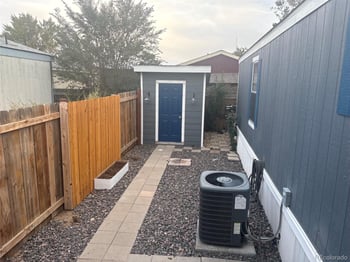
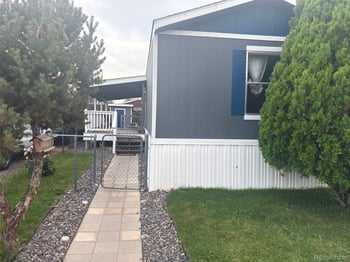
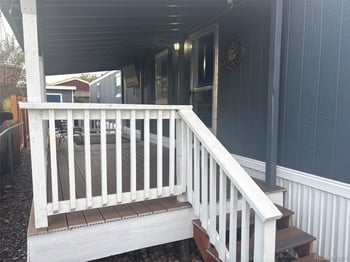
$90,000
Active
3
Beds
2
Baths
1216
Sqft
0.08
Acres
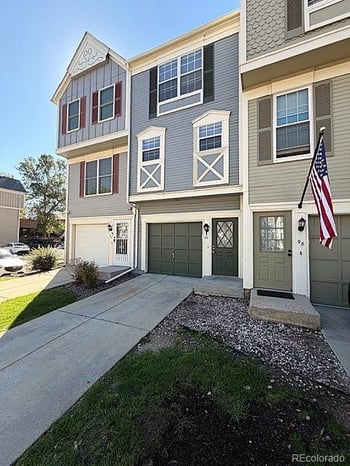
5102 E 96th Dr Lot 156, Denver, CO 80229
MLS#: REC9350823
.jpg)


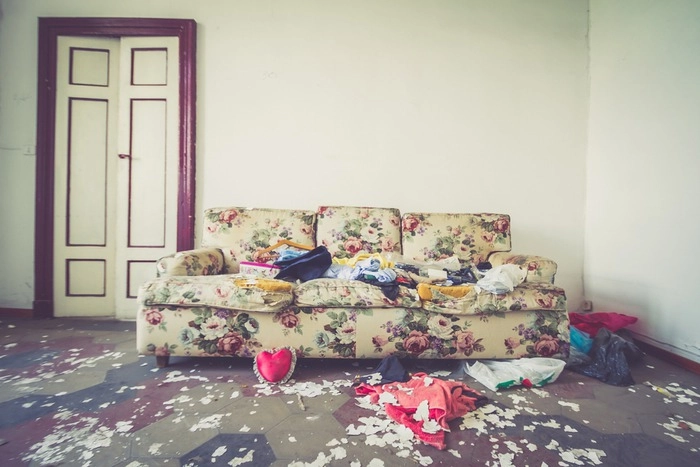
A Colorado landlord can deduct actual damage beyond normal wear and tear from a security deposit, but has to return the balance within the deadline the lease sets and document every charge with photos, invoices and a signed move-in condition report. Skip the documentation and the same charge that would have held up in court turns into a deposit dispute the landlord loses.
Physical damage beyond normal wear and tear, unpaid rent, and cleaning costs beyond a standard move-out clean. A cracked tile, a hole in drywall, burned carpet or a broken appliance qualify; faded paint, worn carpet nap and small nail holes from hung pictures do not.
Wear and tear is the gradual, expected deterioration from ordinary living: carpet traffic patterns, minor scuffs on walls, and faded caulk. Damage is anything caused by neglect, misuse or an accident the tenant did not report: a pet-stained subfloor, a cracked window, or scorched countertops. The test Colorado courts apply is whether a reasonable tenant using the unit as intended would have caused it.
Colorado's security deposit law sets a default deadline of one month after the tenant moves out, unless the lease specifies a longer period up to 60 days. Missing that deadline without an itemized, written statement of deductions can expose a landlord to paying the tenant back double the wrongfully withheld amount plus their court costs.
Time-stamped photos of every room at move-in and move-out, a signed condition report both parties acknowledged, and itemized repair invoices. Video works well for showing an appliance's functional condition before and after a tenancy, since it captures more than a still photo can.
Walk the unit with the same checklist used at move-in, room by room, and photograph every wall, floor, fixture and appliance before the next tenant moves in or any cleaning starts. Comparing move-in and move-out photos side by side is what turns a disputed charge into a documented one.
Yes, when the mess goes beyond a standard move-out clean, but the landlord has to show it was not ordinary wear and tear. A heavily soiled carpet or a strong smoke odor embedded in walls and HVAC ductwork is documentable damage; light dust and a few scuffs are not.
Photos of yellowed walls or ceiling, a contractor's written assessment of odor penetration into drywall or carpet padding, and receipts for the specific remediation, repainting with an odor-blocking primer, carpet replacement, HVAC duct cleaning, build the record. A lingering smell alone is harder to prove than visible staining, so document both wherever possible.
Only if the landlord can show the tenant's actions caused it, such as food storage that attracted pests or reported infestations that were never disclosed. Keeping a documented pest-control history for the unit, with regular inspections between tenancies, is what lets a landlord separate a pre-existing problem from a tenant-caused one.
Baseline pest control is the landlord's responsibility under Colorado's warranty of habitability, since an infested unit is not a habitable one. The exception is when the tenant's own conduct, unreported food debris or an undisclosed pet, caused the infestation after move-in.
Yes, when documented damage exceeds the pet deposit or pet rent already collected. A lease that spells out pet terms clearly, deposit, monthly pet rent, or a combination, gives the landlord a stronger position if damage runs past what was collected upfront.
The landlord has to produce the itemized statement and supporting documentation sent within the statutory deadline. Without that paperwork, a dispute favors the tenant, since Colorado's deposit law puts the burden of proof on the landlord to justify each deduction.
Yes, for amounts up to Colorado's small claims limit, a landlord can file without an attorney and present photos, invoices and the lease as evidence. Small claims court moves faster and costs less than district court, which makes it the practical venue for most move-out damage disputes.
A consistent screening process, rental history, income verification and a background check that follows HB 23-1099's limits, catches a pattern of prior evictions or unpaid damage before a lease is signed. Screening does not eliminate risk, but it lowers the odds of placing a tenant with a documented history of property damage.
A room-by-room checklist signed by both landlord and tenant, dated photos of every surface and appliance, and a copy given to the tenant at signing. This single document is the baseline every move-out damage claim gets measured against, so skipping it weakens every future deduction.
If a landlord failed to address a habitability issue, a leak that caused mold, for example, a tenant can argue the resulting damage was the landlord's responsibility, not theirs. Keeping maintenance requests answered and documented protects a landlord from that argument in a later dispute.
A lease that defines the security deposit deduction process, spells out pet terms, and states the move-out cleaning standard in specific terms (carpets professionally cleaned, appliances free of grease buildup) gives a landlord a document to point to instead of arguing what "clean" means after the fact. Vague lease language is the single biggest reason a documented charge still gets disputed successfully.
Expansive clay soil can crack drywall and tile through no fault of the tenant, and freeze-thaw cycles stress grout and caulk faster than in milder climates. A landlord charging for cracked tile or separated caulk needs to rule out a structural or seasonal cause before billing a tenant, since a court will ask whether the tenant actually caused it.
The Kenna Real Estate Group works with Colorado landlords on tenant placement, move-in documentation and the kind of records that hold up if a damage dispute happens. Ask for the printable move-in and move-out inspection checklist in the form below and we email it the same day. Call or text 303-955-4220. A live person answers. Not a robot, not a phone tree. Search every home for sale in Colorado to see what is on the market right now.
Questions about any home in Colorado? Call or text 303-955-4220. A live person answers.
One month after move-out by default, or up to 60 days if the lease specifies it. Missing the deadline without an itemized statement of deductions puts the landlord at risk of paying back double the wrongfully withheld amount.
Wear and tear is gradual and expected: faded paint, worn carpet nap, small nail holes. Damage is anything a tenant caused through neglect or misuse, like a cracked tile or a pet-stained subfloor.
Yes, with documentation: photos of staining, a contractor's odor assessment, and receipts for the specific remediation like odor-blocking primer or duct cleaning.
The landlord's, under Colorado's warranty of habitability, unless the landlord can show the tenant's own conduct caused the infestation after move-in.
Time-stamped move-in and move-out photos, a signed condition report, and itemized repair invoices sent within the statutory deadline.
Yes, for amounts within Colorado's small claims limit. No attorney is required, and photos, invoices and the lease serve as the core evidence.
Only up to the amount collected. Documented damage beyond that can still be charged separately if the lease's pet terms are clear.
Verifying rental history and income and running a background check consistent with HB 23-1099 catches a pattern of prior evictions or unpaid damage before a lease is signed.