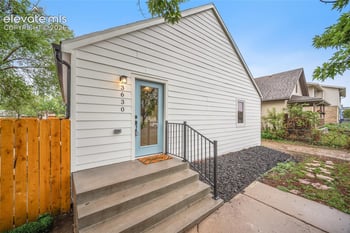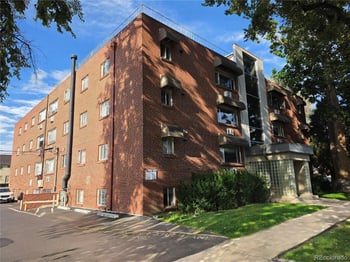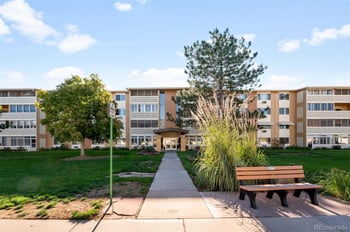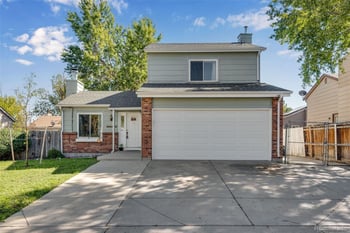
$345,000
Pending
3
Beds
2
Baths
1538
Sqft
0.0202
Acres
3300 W Florida Ave #48, Denver, CO 80219
MLS#: 9397860
.jpg)



A financial consultant helps a Colorado rental property owner see the real number behind the rent check — what is actually left after the mortgage, county property tax, insurance, HOA or metro district fees, vacancy, and repairs are subtracted, and whether that number justifies holding the property, refinancing it, or selling it. Most small landlords price rent off a competitor's listing, not off their own cost structure, and that gap is exactly what a consultant closes.
A consultant builds a real cash flow picture — income against every fixed and variable cost — then uses it to guide decisions: whether to raise rent, refinance, add a unit through house hacking, or sell. Unlike a property manager, a consultant is not handling tenant calls or maintenance; the job is entirely financial: taxes, financing structure, and long-term planning across one property or a small Front Range portfolio.
Fees vary by consultant and scope, from a single project-based engagement (setting up a cash-flow tracking system or a refinance analysis) to an ongoing retainer for a landlord with several units. For a one- or two-property owner, a single project engagement covering tax planning and cash-flow setup is the more cost-effective starting point over an ongoing monthly retainer in most cases.
Start from the bottom up, not the top down: mortgage principal and interest, county property tax, homeowners or landlord insurance, HOA or metro district fees if the property sits inside one, a vacancy reserve (5% to 8% of gross rent), and a maintenance reserve (1% to 2% of the home's value per year). Add those together, then compare the total against what similar Front Range rentals are actually renting for. If the market rent will not cover the true cost structure, that is the number a financial consultant flags before the owner signs a lease at a loss.
| Monthly cost category | Typical share of gross rent |
|---|---|
| Mortgage principal and interest | 40% to 55% |
| Property tax and insurance | 10% to 18% |
| Vacancy reserve | 5% to 8% |
| Maintenance and repair reserve | 8% to 12% |
| HOA or metro district fee (if applicable) | Varies by property |
Mortgage interest, county property tax, insurance premiums, repairs, property management fees, and depreciation on the structure (not the land) are the core deductions available to a Colorado rental owner. Depreciation is the one owners miss most: the IRS allows a residential rental structure to be depreciated over 27.5 years, a non-cash deduction that lowers taxable rental income every year the property is held, even while the property itself continues appreciating in value.
A 1031 exchange lets an owner sell one investment property and roll the gain into another, deferring capital gains tax that would otherwise be due at sale. Colorado sales qualify the same as any state's, but strict IRS timelines apply — 45 days to identify a replacement property and 180 days to close on it — so this is a strategy to plan with a qualified intermediary well before listing a Colorado rental for sale, not something to figure out after an offer comes in.
Cap rate is a property's net operating income divided by its purchase price, expressed as a percentage, and it is the fastest way to compare two Colorado rentals against each other regardless of financing. A financial consultant calculates net operating income by pulling actual expenses — not an estimate — from a landlord's own records, which is commonly the first time a small owner sees a true, unrounded cap rate on their own property.
An LLC separates a rental property's liability from the owner's personal assets and is worth setting up once a landlord holds more than one property or has meaningful equity at risk in a single one. It does not change the tax treatment by itself in most cases, but it changes financing: many Colorado lenders require a different loan product for an LLC-owned property than an individual-owned one, which is exactly the kind of question a financial consultant sorts out before the LLC is formed, not after.
Yes — a consultant can model whether a cash-out refinance to fund a second property, or a rate-and-term refinance to improve monthly cash flow, actually makes sense given current equity and rent levels. For the financing itself, Mike Oswald at Rate (NMLS 261003, Equal Housing Lender) works with Colorado investors on refinance and acquisition loans — you are free to use any lender. The Kenna Credit Care mortgage readiness program is a free way to check where a landlord's credit and debt profile stands before applying.
A CPA files the tax return and can advise on tax strategy; a financial consultant works earlier and broader — cash flow, financing decisions, portfolio strategy, and whether a specific Colorado property still makes sense to hold. Many Front Range landlords use both: the consultant for ongoing decisions, the CPA for the annual filing built on those decisions.
Whether the numbers say hold, refinance, or sell, our agents know the Front Range rental market well enough to help a landlord act on that answer. Call or text 303-955-4220. A live person answers. Not a robot, not a phone tree. Start here: search every home for sale in Colorado.
Questions about any home in Colorado? Call or text 303-955-4220. A live person answers.
A single project engagement to set up cash-flow tracking and review the tax picture is worth it even for one property, especially before the first tax season.
Several Front Range cities, including Denver, require a rental license or registration for long-term rental properties; check the specific city's requirement before renting a unit out.
Yes, many set up simple tracking systems separating rental income and expenses from personal finances, which also makes tax season and any future sale much cleaner.
As landlord insurance premiums climb, the share of rent needed just to cover insurance rises too; a consultant recalculates the true break-even rent rather than letting it drift unnoticed.
Yes, by comparing the property's current cash flow and equity position against alternative uses of that capital, including a 1031 exchange into a different property.
Yes, HOA and metro district fees on a rental property are deductible as an operating expense in most cases.
Every rent receipt, repair invoice, mortgage statement, insurance bill, and property tax notice, ideally in a system separate from personal accounts.
No, a property manager handles tenants and maintenance day to day; a financial consultant handles the ownership-level financial decisions, and larger portfolios commonly use both.