New - 1 Hour Ago

$209,000
Active
2
Beds
2
Baths
1200
Sqft
10.81
Acres
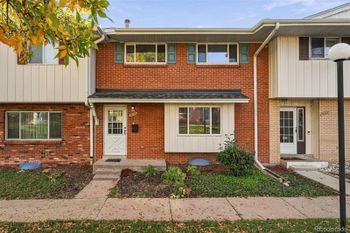
2525 S Dayton Way #2105, Denver, CO 80231
MLS#: IR1071298
.jpg)


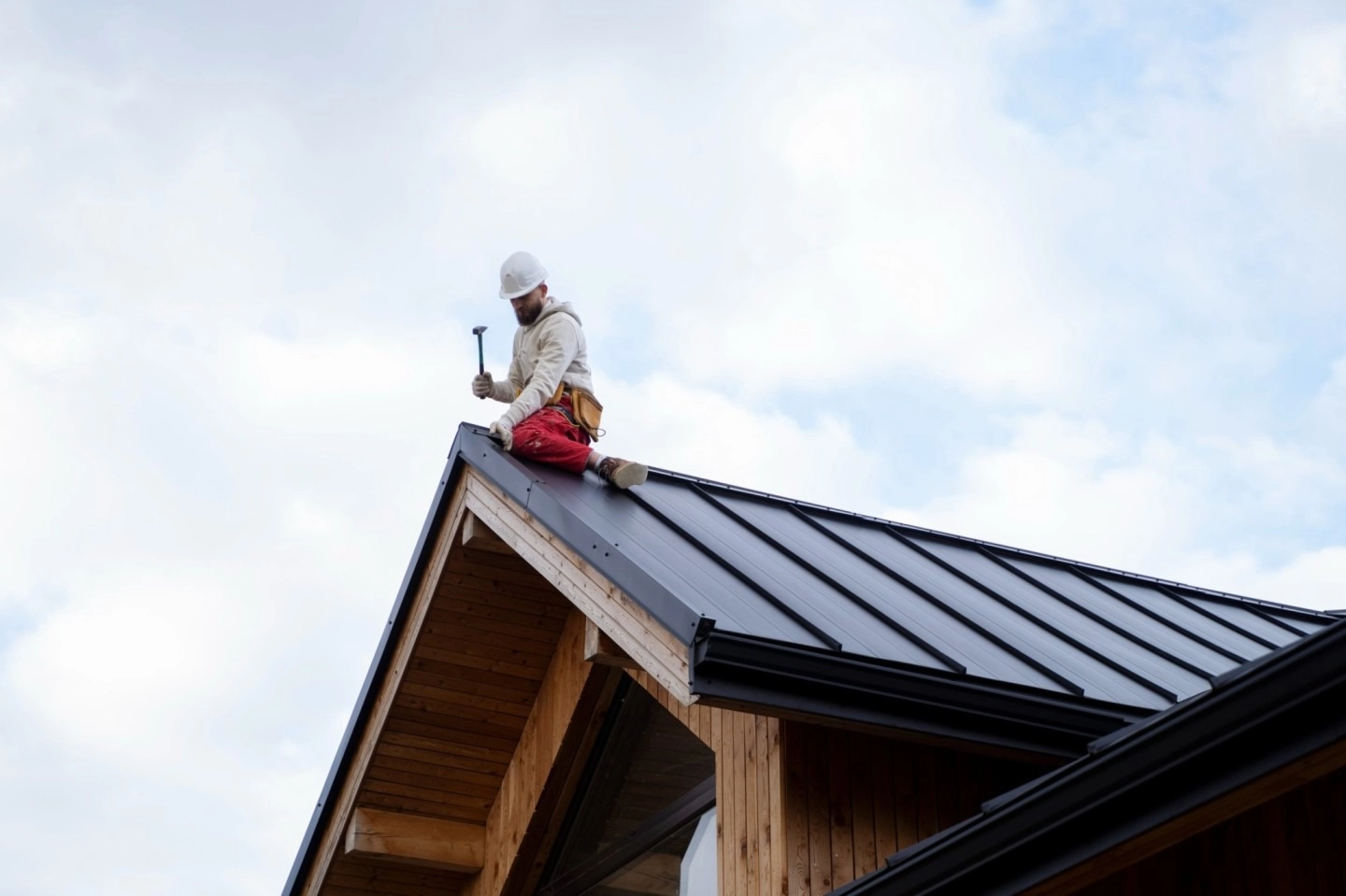
Rental-heavy markets everywhere rank roofers on the same short list: licensing, insurance-claim handling, turnaround time and financing. For a Denver metro landlord managing one unit or a dozen, the Colorado-specific pieces that change the decision are hail-season response time, city and county permit rules, and HOA architectural approval, on top of the basics every rental roofer needs to get right.
This guide covers what to check before hiring a roofer for a Front Range rental property, how the process runs on an occupied unit, and what other rental markets look for so you know the standard to hold a Colorado contractor to.
Licensing runs city by city and county by county in Colorado rather than through one statewide roofing license. Denver, Aurora, Colorado Springs and most Front Range municipalities require a contractor to register and pull permits locally; confirm the roofer is registered in the specific city where your rental sits, not a neighboring one.
During hail season (mid-April through mid-September), an established Front Range roofer schedules an inspection within a few days of a storm and starts insurance paperwork the same week. A contractor who cannot get to your property for weeks after a major storm is carrying more volume than their crews can handle — a real problem for a landlord who needs the unit back in service.
Not required, but it saves time across a portfolio. A roofer experienced with Colorado claims meets the adjuster on site, writes a scope that matches the carrier's estimating software, and pursues a supplement if the adjuster's number misses damage. Landlords managing several properties should ask specifically how many Front Range claims the contractor has closed this hail season.
Established roofers commonly offer short-term promotional financing (0% interest for 12 months is a common term) to bridge the gap between paying up front and receiving an insurance settlement. Read the terms before signing: some plans jump to a high retroactive rate if the balance is not paid in full inside the promotional window.
No. A roof replacement is exterior work, and most Colorado rental roofs finish in one to three days without displacing the tenant. Give at least 24 to 48 hours' notice under the lease's entry provisions, and warn tenants about noise and driveway access for material delivery and disposal.
A single-family rental roof in asphalt shingle finishes in one to two days once materials are delivered and weather cooperates; metal and tile roofs run longer. Build in a weather buffer during hail season, since an active storm can pause work mid-project.
In nearly every case, yes. Denver, Aurora, Lakewood, Colorado Springs and most incorporated Front Range cities require a permit for a full roof replacement; unincorporated county properties go through the county building department instead. A contractor who skips the permit to save time leaves the landlord holding an uninspected roof that can complicate a future sale.
Most Front Range HOAs require an architectural review application before a roof material or color changes, even for an insurance-driven like-for-like replacement in some communities. Check the HOA's rules in our Denver HOA rules and fees guide before scheduling the crew so approval does not hold up a claim deadline.
Owners with rentals in more than one Front Range city commonly keep two or three vetted contractors on call rather than one, since permit offices, HOA rules and hail patterns vary block to block. Rental-heavy markets outside Colorado rank roofers the same way. In Greensboro, North Carolina, for example, landlords compare local providers such as Greensboro Roofing, Skywalker Roofing, Old Timers Roofing, Escalade Roofing, MAEN Roofing, Carolina Elite Roofing and ResCo Roofing on insurance-claim handling, turnaround and financing — the same checklist a Front Range landlord should run with a local Denver metro or Colorado Springs contractor.
Expect a manufacturer's material warranty (25 to 50 years depending on shingle class) plus a separate contractor workmanship warranty, commonly 5 to 10 years. Get both in writing before the deposit, and confirm the workmanship warranty transfers if you sell the property.
| Shingle class | Manufacturer material warranty | Typical Colorado insurance discount |
|---|---|---|
| Standard architectural (non-rated) | 25 to 30 years | None |
| Class 3 impact-rated | 30 to 40 years | Small, carrier-dependent |
| Class 4 impact-rated | 30 to 50 years | 10% to 35%, carrier-dependent |
In most cases, yes. Many Colorado insurers discount premiums for a Class 4 impact-resistant roof, and some carriers require it to offer a standard, non-percentage wind and hail deductible. Ask your insurer for the specific discount before choosing shingle class on a rental replacement, since the premium savings can offset part of the material upgrade cost over a few years.
Line up license and insurance verification, itemized scope, warranty terms and payment schedule side by side across at least two or three bids, not just the bottom-line price. A bid several thousand dollars below the others on the same scope is worth a second look before signing, especially right after a widescale hailstorm when pricing moves fast.
A landlord managing several units across the Front Range benefits from keeping this checklist in writing and running every new contractor through it, rather than re-deciding from scratch at each property.
A full roof replacement is commonly treated as a capital improvement and depreciated over time rather than deducted in full the year it is paid, while a smaller repair to an existing roof can commonly be deducted as a current-year expense. The line between a repair and a capital improvement depends on scope and cost relative to the property, so a tax preparer familiar with Colorado rental property should confirm the treatment for a specific project before it is booked.
The Kenna Real Estate Group works with Front Range investors on rental property condition, financing questions and timing a roof replacement around a sale or refinance. Ask for the printable rental-roofer vetting checklist in the form below and we email it the same day. Call or text 303-955-4220. A live person answers. Not a robot, not a phone tree. Or search every home for sale in Colorado.
Questions about any home in Colorado? Call or text 303-955-4220. A live person answers.
Commonly 1% to 5% of the dwelling coverage amount rather than a flat dollar figure; check the declarations page before filing a claim.
Yes, at least two to three itemized bids, especially after a widescale hailstorm when pricing moves fast and volume varies contractor to contractor.
Not always; metal commonly qualifies for the same or a better wind/hail discount as a Class 4 asphalt roof, though the upfront material cost runs higher.
Ask for a full accounting; the difference should go back to the insurer or reduce the claim, not disappear as extra profit for either party.
No, standard entry-notice rules apply, and exterior roof work does not require the tenant to be present.
At least 24 to 48 hours under most Colorado lease entry-notice provisions, more for a multi-day job.
A capital improvement can affect assessed value at the next county reassessment cycle; a routine repair or a like-for-like replacement does not trigger a reassessment on its own in most cases.
A full roof replacement is commonly capitalized and depreciated rather than deducted in the year paid; a tax preparer familiar with rental property should confirm the specific treatment.