New - 1 Hour Ago

.jpg)


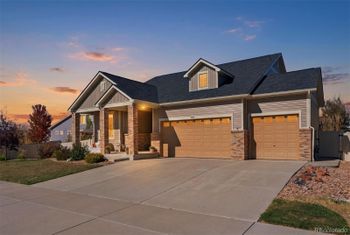
A homeowner advertising a house to renters in Colorado needs two things a generic listing template will not give: compliance with Colorado's landlord rules and wording that draws Front Range renters without running into fair housing problems. Get the paperwork right first, then build a listing that answers a renter's real questions before they call.
Before a listing goes live, confirm the home meets the basic requirements to be rented out: a working smoke and carbon monoxide detector in the right locations, a habitable condition under Colorado's warranty of habitability, and, in Denver, registration under the city's residential rental license program, which applies to most long-term rental homes and requires a passed inspection. Other Front Range cities have their own licensing and inspection rules, so check with the specific city or county before listing rather than assuming Denver's requirements apply everywhere.
Colorado law caps a residential security deposit at two months' rent under SB23-184. A newer law, HB25-1249, changed the rules around how and when a landlord must return or itemize a deposit after move-out, but it did not change the two-month cap itself. State the deposit amount and any pet deposit clearly in the listing so a renter can budget for move-in costs before they ever call.
Colorado landlords can verify income, rental history, and run a background and credit check as part of a standard application. What the application and the advertising cannot do is state or imply a preference based on a protected class — listing copy should describe the property, the neighborhood's parks and commute times, and the lease terms, never the kind of tenant the owner is picturing.
The listings that generate the most calls lead with specifics: square footage, bedroom and bathroom count, whether utilities are included, parking, and the move-in date. Front Range renters comparing several homes at once respond to concrete details — "0.4 miles from the light rail station" reads better than a vague claim about location, and a note on HOA rules (guest parking, exterior storage, pet weight limits) heads off questions before a showing.
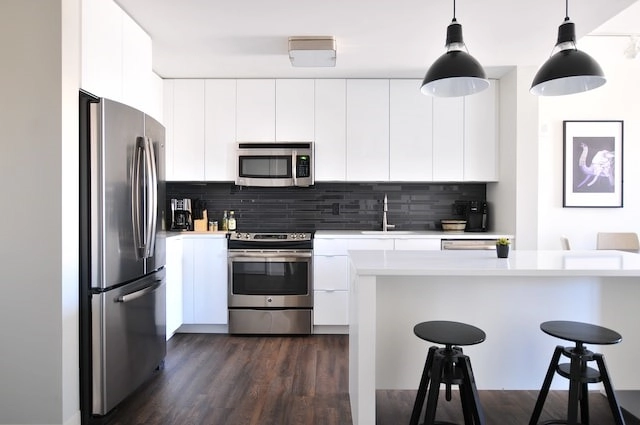
Wide-angle daylight photos of the kitchen, primary bedroom, and any outdoor space consistently pull more clicks than a single exterior shot. A quick declutter and a fresh coat of paint on obviously worn walls cost far less than another month of vacancy, and a listing with 10 or more photos fills faster than one with three or four.
Most homeowners get the best response combining an online rental listing platform with a yard sign for drive-by interest, since a meaningful share of Front Range renters still notice signage while commuting through a neighborhood they want to live in. A short video walkthrough helps filter out renters who were never going to be a fit before a showing gets scheduled.
Rent for a comparable home varies block by block across the Denver metro, so pull three to five active or recently leased comparables in the same neighborhood rather than relying on a citywide average. Pricing a few percent under the top comparable, especially for a home with an unusual layout, fills the vacancy faster than testing the market at the highest number.
A written application fee disclosure, a consistent screening standard applied to every applicant, and a Colorado-compliant written lease protect a homeowner as much as they protect the renter. An e-signed lease is legally valid in Colorado, and digital signing shortens the time between an approved application and a signed lease.
Requiring renters insurance as a lease condition is common practice on the Front Range and shifts responsibility for a tenant's personal property, and some liability scenarios, away from the homeowner's own policy.
Self-managing saves the monthly management fee but means the owner handles every showing, application, and maintenance call directly. A Denver-metro property manager commonly charges a percentage of monthly rent plus a placement fee; that cost can be worth it for an out-of-state owner or anyone who does not want a 2 a.m. call about a furnace.
| Task | Self-manage | Property manager |
|---|---|---|
| Listing and showings | Owner's time | Included in fee |
| Application screening | Owner runs checks directly | Handled by the manager |
| Maintenance calls | Owner fields every call | Manager coordinates vendors |
| Typical Denver-metro fee | None | 8% to 10% of monthly rent |
| Best fit | Local owner, hands-on | Out-of-state or multiple properties |
The clearest test for any line in a rental listing: describe the property and the terms, not the person the owner pictures living there. "Close to Cherry Creek Trail, 10-minute walk to the light rail" describes the property. A line about the kind of household, age group, or background that would fit the home does not belong in the listing or in a phone screening conversation, regardless of how it is phrased. Keep the same standard — income, rental history, credit and background check — applied the same way to every applicant.
Some Front Range HOAs cap the number or percentage of homes that can be leased at one time, require the lease to be registered with the association, or set a minimum lease term. Check the HOA's rental policy before advertising, since a home listed for rent in violation of the covenants can be pulled from the market mid-search.
Vacancy time depends heavily on price relative to comparables, condition, and the time of year, with listings posted in spring and summer moving faster than late-fall listings. A home priced at market and marketed with strong photos gets its first serious applications within the first two weeks.
Some homeowners advertise a home to renters as a way to hold it through a slow market, then decide to sell once conditions shift or a lease comes up for renewal. The comparable rent data, condition notes, and repair history gathered while advertising the home as a rental carry over directly into pricing it to sell — the Rental Property Checklist and the Pricing Your Colorado Home to Sell guide both start from those same numbers, so nothing collected during the rental phase goes to waste.
Ask for the printable rental listing checklist in the form below and we email it the same day.
Whether a Front Range home is being advertised for rent, evaluated for a sale, or both, the Kenna Real Estate Group can walk through the current numbers for the neighborhood and what a listing needs to compete. Call or text 303-955-4220. A live person answers. Not a robot, not a phone tree. Ready to compare homes now? Search every home for sale in Colorado.
Questions about any home in Colorado? Call or text 303-955-4220. A live person answers.
Denver's residential rental license program applies to most long-term rental homes and requires a passed inspection before the home can legally be leased. Other Front Range cities set their own licensing rules, so check locally before listing.
State law caps a residential security deposit at two months' rent under SB23-184. HB25-1249 later changed the timeline and process for returning or itemizing a deposit, not the two-month cap itself.
A Colorado landlord can verify income, rental history, and run a background and credit check. The application and the advertising cannot state or imply a preference based on a protected class.
Square footage, bedroom and bathroom count, whether utilities are included, parking, move-in date, and 10 or more daylight photos consistently pull more inquiries than a bare-bones listing.
Yes. Digital signatures are legally valid on a Colorado residential lease, and using them shortens the gap between an approved application and a signed lease.
It is common practice on the Front Range. Requiring renters insurance shifts responsibility for a tenant's personal property and some liability scenarios away from the homeowner's own policy.
Some Front Range HOAs cap the number of leased homes allowed at one time, require lease registration, or set a minimum lease term. Check the HOA's rental policy before advertising.
It depends on price relative to comparables, condition, and season, with spring and summer listings filling faster. A home priced at market with strong photos sees its first serious applications within two weeks.