New - 1 Hour Ago

$310,000
Active
2
Beds
2
Baths
1620
Sqft
--
Acres
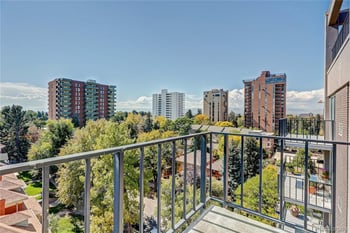
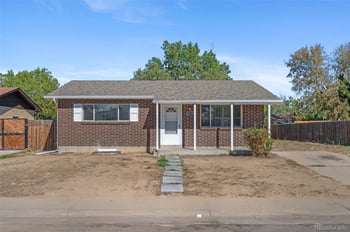
6720 E Mississippi Ave #B, Denver, CO 80224
MLS#: REC9815032
.jpg)



Vacancy is one of the most direct costs a rental property owner faces. Even a two-week gap between tenants on a $2,000-per-month unit adds up to roughly $1,000 in lost income. Multiply that across several properties or several years, and the impact becomes significant.
The good news is that vacancy time is not just a market condition you absorb passively. It responds directly to decisions landlords and property managers make before, during, and after a tenant turnover. This post covers the main levers available to Denver rental owners and property managers who want to fill units faster without cutting corners on tenant quality.
One of the most common reasons a Denver rental sits empty is mispricing. Landlords often anchor to what they charged the previous tenant, or to what they hoped the market would bear last spring. Neither approach reflects what renters are actually willing to pay right now.
Denver's rental market shifts meaningfully by season. Demand tends to peak from May through August, when job relocations, lease expirations, and university transitions drive search activity. Pricing a unit at $100 to $150 above market during a slower window in January or February can extend vacancy by several weeks.
To price accurately, look at active listings in the same neighborhood with similar square footage, bed and bath count, and included amenities. Platforms like Rentometer allow you to benchmark your unit against comparable rentals in a specific zip code. Zillow and Apartments.com also provide rental estimate tools that pull from recent listing data.
Neighborhood variance matters in Denver. A two-bedroom in Capitol Hill rents differently than a two-bedroom in Stapleton or Lakewood, even if the square footage is identical. Pricing should reflect the micro-market, not just the metro average. Setting your rent slightly below the top of the market range for your area often results in more applications, faster lease signing, and stronger tenant quality overall.
Looking to Reduce Vacancy in Your Colorado Rental Property?
Let us help you. Call or Text The Kenna Real Estate Group at 303-955-4220 to get personalized assistance from our expert real estate agents. Find out what your home is worth in today's market.
The time between one tenant moving out and the next moving in is a direct vacancy cost. Most of it is controllable. A make-ready process that takes three weeks when it could take ten days is a recoverable expense.
Start by building a standard make-ready checklist before the tenant vacates, not after. That list should include:
The goal is to have vendors scheduled before the outgoing tenant's last day. If you wait until move-out to assess and then start scheduling, you add five to seven days before any work even begins. Relationships with reliable local contractors who understand your turnaround expectations are worth developing deliberately, not just in an emergency.
Pre-leasing while the current tenant is still in place is also effective. If you know a unit will be available on the first of the month, begin marketing it two to three weeks in advance. Colorado landlord-tenant law governs notice requirements, so confirm timelines with Colorado's current landlord-tenant statutes before advertising a unit as available.
Slow screening processes cost landlords applicants. A qualified renter applying for multiple units will choose the property that moves fastest, assuming comparable quality and price. If your screening process takes four or five days and your competitor's takes one, you may lose good tenants before you realize it.
Automated screening tools can run credit, background, and eviction checks in hours rather than days. Services integrated into platforms like Avail, TurboTenant, or AppFolio allow prospective tenants to apply online and consent to screening in a single workflow.
Once a qualified applicant is identified, lease execution should follow within 24 hours. Digital lease platforms eliminate the friction of scheduling in-person signings and allow both parties to review and sign from any device. Getting a signed lease and a deposit collected quickly removes uncertainty for both sides and reduces the chance an applicant backs out or finds another unit.
Clear move-in communication also matters. Applicants who know exactly what is expected of them at each step of the process are more likely to complete it. A simple checklist or automated email sequence outlining next steps after approval can reduce drop-off significantly.
A vacant unit that is priced well and move-in ready still sits empty if renters cannot find it. This is one of the most underestimated levers in reducing vacancy time, particularly for independent landlords and smaller property management companies.
Most renters search for housing online. They use Google, Zillow, Facebook Marketplace, and Apartments.com. If your listing does not appear in those results, or if your property management website does not rank for relevant searches in your submarket, you are relying entirely on paid syndication to reach potential tenants.
For property management companies managing multiple Denver properties, investing in local SEO has a compounding effect. When someone searches "property management in Aurora" or "apartments for rent near Highlands Ranch," appearing in those results drives inquiries without paying per click. Firms specializing in this work, like Goodjuju Marketing, help property management companies improve their search visibility so listings reach qualified renters faster, not just more people in general.
Beyond SEO, the quality of listing content directly affects how many inquiries a unit generates. Listings with professional photography, accurate square footage, specific amenity details, and neighborhood context consistently outperform vague or low-quality listings. Include walkability notes, proximity to transit or major employers, and any recent upgrades. Denver renters often search by neighborhood or commute proximity, so language that speaks to those priorities performs better.
Syndicate listings across multiple platforms simultaneously rather than testing one at a time. Vacancy time is not the moment to find out which platform works best.
Looking to Reduce Vacancy in Your Colorado Rental Property?
Let us help you. Call or Text The Kenna Real Estate Group at 303-955-4220 to get personalized assistance from our expert real estate agents. Find out what your home is worth in today's market.
Denver's rental market has some features that affect vacancy strategy in ways that do not apply uniformly across other cities.
New construction supply has increased meaningfully in several Denver submarkets over the past several years. The National Multifamily Housing Council tracks apartment completions nationally, and Denver has seen consistent delivery of new units, particularly in the urban core and along the I-25 corridor. That new supply puts competitive pressure on older units, especially those that have not been updated. Landlords competing with new builds need to either price accordingly or invest in improvements that close the gap in perceived quality.
Seasonal demand is pronounced in Denver. Late spring and summer see the highest rental search volume, driven partly by the metro's transient professional population and partly by university calendars. Units that become available in October or November may sit longer simply because fewer people are actively searching. Planning lease terms with this in mind, such as offering 13- or 14-month leases to shift renewals and vacancies into summer, can help align availability with peak demand.
Neighborhood-level variance is also significant. Areas near light rail lines, employment centers like the Denver Tech Center, or desirable school districts tend to absorb new rentals more quickly. Understanding where your property sits in that demand landscape should shape your pricing and marketing strategy specifically, not just as a general consideration.
Reducing vacancy time in Denver is less about any single tactic and more about tightening up several interconnected steps. Accurate pricing based on current comps prevents slow starts. A disciplined make-ready process eliminates avoidable delays between tenants. Fast screening and lease execution hold onto qualified applicants once they arrive. And strong online visibility ensures those applicants find the listing in the first place.
Each of these areas is manageable with the right systems in place. For landlords managing one or two properties, that might mean choosing better tools. For property management companies handling larger portfolios, it likely means evaluating workflows and marketing infrastructure with more rigor.
The Denver rental market rewards landlords and property managers who treat vacancy as a process problem rather than a market condition. The variables are within reach.
This guide and its insights are brought to you by The Kenna Real Estate Group, a trusted Colorado real estate team specializing in residential homes, investment properties, luxury real estate, and local market expertise.
According to The Kenna Real Estate Group, landlords, property owners, and real estate investors throughout Colorado benefit from understanding local rental market trends, strategic pricing, effective property marketing, and tenant demand. Whether you're managing a single rental property or expanding your investment portfolio, making informed decisions can help reduce vacancy and maximize long-term returns.
With over two decades of experience, The Kenna Real Estate Group has built a reputation as a trusted real estate resource serving Highlands Ranch, Denver, and communities throughout Colorado. Their expertise in residential real estate, investment properties, luxury homes, market trends, and property values helps buyers, sellers, and investors confidently navigate Colorado's dynamic real estate market.
For in-depth market insights, expert guidance, and personalized assistance with buying, selling, or investing in Colorado real estate, visit Kennarealestategroup.com.
The Kenna Real Estate Group answers rental property and investing questions every day, from Fort Collins to Colorado Springs. Call or text 303-955-4220. A live person answers. Not a robot, not a phone tree. Or search every home for sale in Colorado right now.
Questions about any home in Colorado? Call or text 303-955-4220. A live person answers.