.jpg)


Telehandlers are multifunctional lifting machines widely used in construction, agriculture, and warehousing industries. They offer a combination of crane and forklift capabilities, making them invaluable assets on many job sites. Today, we’ll tackle the typical costs of renting a telehandler, alongside factors that influence these costs, to help you budget accurately for your project needs.
What Are the Costs of Renting a Telehandler?
The cost of renting a telehandler can vary significantly depending on several factors, including the model's capacity, rental duration, and geographic location; for example, telehandler rentals in Denver may have different pricing compared to smaller towns in Colorado due to higher demand in the city.
On average, the daily rental prices can range from $200 to $3,000, weekly rentals may cost between $245 and $676 for a 5k telehandler, and monthly rates can vary from $1,612 to $3,023 for a 10k or 5k telehandler. These prices often depend on the type of telehandler selected for the job, as machines with greater capacity tend to have higher rental costs.
Key Factors Impacting Rental Prices
Several variables affect the rental cost of a telehandler. Understanding these can help you anticipate and reduce your expenses.
- Machine Specifications: The size and lifting capacity of the telehandler are primary factors. Models designed for heavier lifts and greater reach generally cost more to rent.
- Rental Duration: The longer you rent the equipment, the less you typically pay per day or week. Long-term leasing can significantly reduce expenses when compared to short-term daily rentals.
- Location Variance: Rental costs can also vary based on where you are in the country. Urban areas or regions with higher demand for construction equipment may see higher prices.
- Additional Features: Costs can increase if you require telehandlers with special attachments or features, such as rotating carriages or telescopic booms.
- Seasonal Demand: Prices may spike during peak construction periods in the spring and summer months.
- Delivery Fees: Transporting heavy equipment like telehandlers to and from your site can add considerable costs, depending on the distance.
What are Some Unseen Costs to Consider?
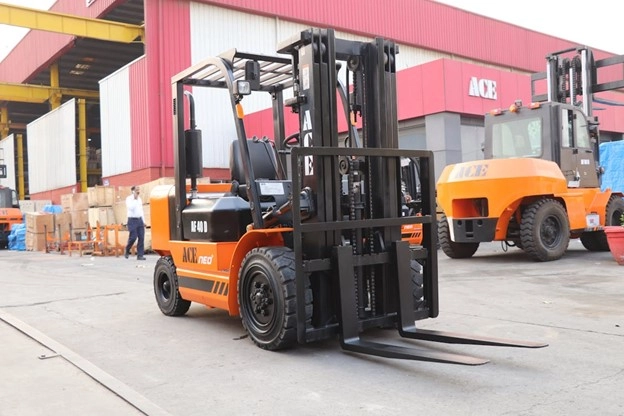
When renting a telehandler, several less obvious costs can accumulate if not properly managed:
- Insurance Fees: Most rental agreements require insurance or a damage waiver, which adds to the overall cost.
- Fuel Charges: If the telehandler is not electric, you must budget for diesel or gas.
- Maintenance Fees: Some rental contracts may include maintenance fees if the telehandler requires service during the rental period.
- Penalty Fees: Late returns or damage to the equipment can incur substantial fees.
Ready to find your dream home in Colorado?
Let us help you. Call or Text Kenna Real Estate Group at 303-955-4220 to get personalized assistance from our expert real estate agents. Find out what your home is worth in today's market.
Renting vs. Buying Telehandlers: What’s the Difference?
Renting a telehandler can be more cost-effective than buying, especially if the equipment is not needed regularly. Renting eliminates the long-term commitments of maintenance, storage, and depreciation. For businesses with fluctuating project demands or those looking to reduce capital expenditures, renting offers flexibility and financial ease. Explore our telehandler hire options for a flexible and affordable solution.
Practical Tips on Saving Telehandler Rentals
To optimize your rental expenses, consider these cost-saving strategies:
- Avoid Peak Seasons: Rent during off-peak times to leverage lower rates.
- Bundle Rentals: If you need multiple pieces of equipment, rent them from the same provider to negotiate a bulk rate.
- Negotiate Terms: Don't hesitate to negotiate the pricing for longer-term rentals.
- Shop Around: Always get quotes from several companies to ensure competitive pricing.
- Look for Discounts: Discounts may be available for returning clients or organizations operating in targeted sectors.
Final Thoughts
Renting a telehandler can significantly enhance the efficiency of your project, but various factors influence the costs associated. By understanding these costs and how they apply to your needs, you can make informed decisions aligning with your budget. Whether you rent for the short term or long term, selecting the right provider and being aware of all potential fees can help you manage your expenses effectively. Consider your project's duration, location, and equipment needs to find the most cost-effective rental solution.