New - 1 Hour Ago

.jpg)


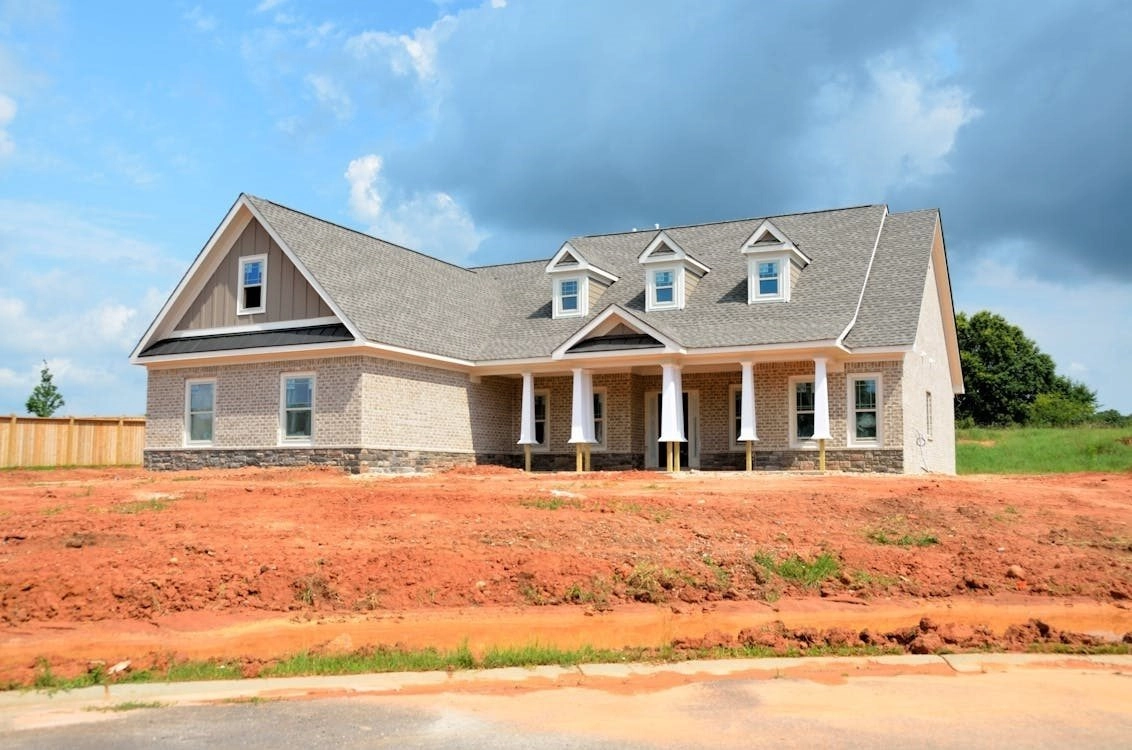
A new Front Range yard starts as compacted clay and builder-grade sod in most cases, and the first project matters more than any other: amend the soil and pick a water-wise plant plan before anything else goes in. Get that right and the rest of the yard — play space, patio, fencing — fits around it instead of fighting it.
Test and amend the soil before planting anything permanent. Most Front Range new-construction lots sit on compacted clay left from grading, which drains poorly and stunts root growth. Work 2 to 3 inches of compost into planting beds and any area getting new sod, and expect this step to cost $500 to $1,500 for an average lot depending on size and how much of the yard needs it.
Many Front Range HOAs and metro districts require landscaping completion — front-yard turf or beds at minimum — within 6 to 12 months of closing on new construction, with a fine structure for missing the deadline. Check your covenants the week you close, not the week the deadline arrives, since plant availability and installer schedules book up fast in spring.
Xeriscaping means designing a landscape around low-water native and adapted plants, efficient irrigation and mulch instead of a traditional bluegrass lawn. Denver Water and several other Front Range utilities run turf-replacement rebate programs that pay a set amount per square foot converted from turf to xeriscape; check current program rules and funding availability with your local water provider before you plan the budget around it.
| New-yard task | Front Range cost range | Timing |
|---|---|---|
| Soil amendment for clay | $500 – $1,500 | Before any planting |
| Sod (front yard, ~1,000 sq ft) | $1,500 – $3,000 | Spring or early fall |
| Xeriscape bed conversion | $4 – $12 per sq ft | Anytime soil isn't frozen |
| Mulch (per cubic yard covers ~100 sq ft at 3") | $35 – $60 delivered | After planting, refresh yearly |
| Play structure install | $1,500 – $6,000+ | After grading and drainage confirmed |
Blue grama grass, native penstemon, Rocky Mountain columbine, yarrow and native asters handle Colorado's clay soil, low humidity and hail better than many nursery-standard ornamentals bred for wetter climates. The U.S. Forest Service's native species and native gardening guide is a reliable public source for choosing plants suited to Colorado's growing zones.
Check your HOA covenants before installing a swing set or climbing structure; some Front Range communities restrict play structure height, require a setback from the property line, or limit visible color and material. A freestanding play structure under a certain height does not need a city building permit in most Front Range jurisdictions, but confirm with your local jurisdiction, since rules differ between Denver, Aurora, Highlands Ranch and other Front Range communities. Quality playground equipment built for outdoor exposure holds up better to Colorado's UV and freeze-thaw cycles than budget models.
Plan on 2 to 3 inches of mulch across every planting bed; at that depth, one cubic yard covers roughly 100 square feet. Mulch matters more here than in wetter climates because it slows evaporation from Colorado's low humidity and intense sun, cutting the watering frequency new plantings need while their roots establish. Sourcing mulch for sale near me locally keeps delivery cost down compared with ordering from far outside the Front Range.
Sod for a typical 1,000 sq ft front yard runs $1,500 to $3,000 installed, while seeding the same area costs less upfront but takes a full growing season to fill in and needs more careful watering while it establishes. Many builders leave only the front yard sodded; budget separately for the back yard if it was left as dirt or a thin seed mix at closing.
In most cases, yes. Builders grade for drainage away from the foundation, which can leave 2 to 4 inches of subsoil exposed in spots rather than the topsoil a lawn or garden bed needs. Bring in additional topsoil blended with compost for planting beds, and keep the grading slope away from the house intact when you regrade any section.
Group plants by water need so a sprinkler zone waters only high-need areas on a longer cycle and low-need xeriscape areas on a shorter one, and check whether your city has watering-day restrictions tied to address before setting an irrigation schedule. A yard split between a smaller functional lawn area and xeriscape beds uses less water than an all-turf yard without giving up green space entirely.
Install fencing first when the yard plan includes a play area or a pet space, since equipment access for grading and planting is easier before a fence limits it, and a fence line affects where beds and paths can go. Get any required HOA approval or setback permit for the fence before either step begins.
Place a play structure on a level section with good drainage, away from low spots that collect runoff after a storm, and add a few feet of clearance from fence lines and property boundaries per your HOA's setback rules. A layer of mulch or rubber matting under the structure works better than turf, which wears bare fast under a swing set.
A smaller lawn still needs the same watering frequency per square foot as a large one; xeriscape replaces that turf with plants selected for Colorado's rainfall and soil, so the whole bed needs less water overall, not just less area to water. A well-designed xeriscape bed also needs less mowing, fertilizer and mid-summer attention than any size of bluegrass lawn.
Some Front Range cities and water providers cap how much high-water turf a new home can install, particularly in front yards, as part of a broader water conservation ordinance. Check your city's current landscape code and your water provider's rules before finalizing a design, since these requirements have been changing across the Denver metro as utilities plan for a drier long-term water supply.
The Kenna Real Estate Group works with new-construction buyers across the Front Range and can walk you through what your builder does and does not include in the yard at closing. Call or text 303-955-4220. A live person answers. Not a robot, not a phone tree. Or search every home for sale in Colorado to compare new-construction lots before you buy.
Questions about any home in Colorado? Call or text 303-955-4220. A live person answers.
Many covenants set a 6 to 12 month window from closing for at least front-yard landscaping, with fines for missing the deadline, so check your specific HOA documents right after closing.
No; most xeriscape designs keep a smaller functional turf area for a patio, play space or pets and convert the rest to native and drought-tolerant beds instead of removing all grass.
Spring (after the last hard freeze) and early fall both work well for sod and most plantings, since summer heat stresses new roots and late-fall planting leaves little time to establish before winter.
It depends on the builder; some Front Range builders install a full sprinkler system with the sod, others leave irrigation for the homeowner to add, so confirm this before closing.
A freestanding structure under typical height limits does not need a city building permit in most Front Range jurisdictions, but check your specific city or county and your HOA covenants before installing one.
Plan to refresh mulch once a year in spring; Colorado's intense sun and wind break organic mulch down and blow lighter material out of beds faster than in more humid climates.
Blue grama grass and native low-growing sedums establish relatively quickly once soil is amended, though any new planting needs a full growing season to fill in completely.


