New - 2 Hours Ago
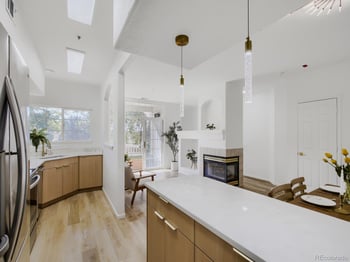
$309,000
Active
2
Beds
3
Baths
1224
Sqft
0.01
Acres
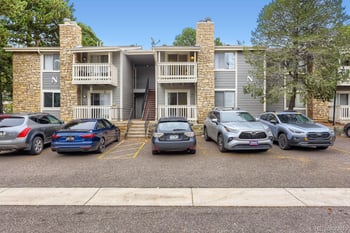
9468 E Florida Ave #2044, Denver, CO 80247
MLS#: REC9456399
.jpg)


Colorado's roughly 300 days of sun and intense UV exposure at 5,280 feet and higher break down exterior paint faster than in most of the country, which shortens the typical 7- to 10-year exterior repaint window to closer to 5 to 8 years on south- and west-facing walls. Add hail season, freeze-thaw cycling on caulk and trim joints, and 40-degree daily temperature swings, and a Front Range home works its paint harder than a house in a milder, cloudier climate.
Plan on 5 to 8 years for sun-exposed exterior walls on the Front Range and up to 10 years for shaded, north-facing elevations with quality paint and proper surface prep. Stucco and fiber cement hold a finish longer than wood siding, which shows UV fading and checking sooner under Colorado's sun exposure.
Yes. UV intensity increases with elevation, and Denver and the Front Range sit well above sea level with fewer cloudy days to filter that exposure. South- and west-facing walls take the most direct sun through summer afternoons and fade visibly faster than east- or north-facing elevations on the same house, which is why a repaint job sometimes shows uneven color between walls before the whole exterior is due.
Colorado's hail season runs spring through September, and a significant hailstorm can chip, dent, or strip paint from siding and trim, especially on softer materials like wood or older vinyl. A hail-damaged exterior needs spot repainting or a full repaint sooner than the climate-driven schedule alone would suggest, and homeowners insurance can cover hail damage to siding and trim depending on the policy.
Late spring before hail season ramps up, or early fall after the most active hail months pass, are the two windows Front Range painters favor. Paint and caulk need several days of dry, moderate weather to cure fully, and a hailstorm hitting freshly applied exterior paint before it cures can mar the finish, so many contractors avoid scheduling exterior work during the peak of the season.
Professional exterior painting on the Front Range runs roughly $3 to $6 per square foot of exterior wall surface, which puts a typical 2,000-square-foot two-story home in the $4,000 to $9,000 range depending on siding material, height, prep needed, and trim detail. Stucco and brick accent repainting, and extensive scraping or caulk replacement on an older home, push toward the higher end.
Most Front Range HOAs maintain an approved color palette for exterior paint and require a design review submission before repainting, even when the new color is close to the existing one. Submit your color choice to the HOA before scheduling the painter; a repaint done outside the approved palette can require a costly redo.
Living rooms and bedrooms with quality paint in a matte or satin finish hold up 5 to 7 years. Kitchens and bathrooms, with higher moisture and more cleaning, need a refresh every 3 to 4 years. High-traffic hallways and areas near entry doors need touch-ups sooner due to scuffs and marks.
Yes. Caulk at window and door trim, siding joints, and corner boards expands and contracts through Colorado's freeze-thaw cycles and 40-degree daily swings, and it cracks or separates faster here than in a climate with more stable temperatures. Cracked caulk lets moisture behind the paint film, which accelerates peeling. Re-caulking is a standard part of proper surface prep before any Front Range repaint.
Fresh, neutral exterior and interior paint is one of the more consistently recommended pre-listing upgrades because it is relatively inexpensive compared to a renovation and photographs well, which matters for the listing photos that determine whether a buyer schedules a showing. See preparing and adding value before selling for how paint compares to other pre-listing spend.
For exteriors, a satin or low-sheen finish handles UV exposure and temperature swings better than a flat finish, which chalks and fades faster, while staying easier to clean than high-gloss. For interiors, eggshell or satin in high-traffic rooms balances durability with a finish that does not highlight wall imperfections the way gloss does.
Chalky residue that rubs off on your hand, visible fading between a shaded and sun-exposed section of the same wall, and cracking or peeling at trim joints mean the paint film has broken down and cleaning will not fix it. Dirt buildup without chalking, fading, or cracking responds to a pressure wash instead of a full repaint.
Scraping loose or peeling paint, sanding rough edges, replacing failed caulk, and priming bare wood or repaired areas before the finish coat determine how long the new paint job lasts more than the paint brand does. Skipping prep to save a day of labor is the most common reason a repaint fails within 2 to 3 years instead of lasting the expected 5 to 8.
Not always. Surface mildew on north-facing or shaded siding cleans off with a diluted bleach or dedicated mildew cleaner and does not require repainting on its own. Persistent staining that returns quickly after cleaning, or staining combined with soft or damaged siding underneath, points to a moisture problem that should be addressed before repainting, not painted over.
Warm neutrals, greige, and muted earth tones consistently show well in listing photos and appeal to the widest range of Front Range buyers, while bold or dark exterior colors can narrow the buyer pool even when the paint job itself is well executed. If you plan to sell within a few years, a neutral palette approved by your HOA gives the best odds of appealing broadly rather than matching one buyer's specific taste.
Colorado's low humidity means interior paint cures faster and shows less of the peeling that humid climates see from trapped moisture, but the same dry air makes dust and static cling to walls more visibly over time, especially with flat finishes. A washable eggshell or satin finish holds up better to Colorado's dry-climate dust than a flat wall paint does.
The Kenna Real Estate Group helps Front Range sellers decide when a repaint is worth the cost before listing and when it is not. Call or text 303-955-4220. A live person answers. Not a robot, not a phone tree. See what is on the market at search every home for sale in Colorado.
General guidance on the timing and value of repainting applies across climates, though Colorado's UV and hail shorten the window described there. Watch for mildew, mold, or water stains as signs a coating has failed rather than just aged, and note that surface preparation affects adhesion and longevity as much as the paint product itself.
Questions about any home in Colorado? Call or text 303-955-4220. A live person answers.
Plan on 5 to 8 years for sun-exposed walls given the state's intense UV at altitude, and up to 10 years for shaded, north-facing sides with quality paint and prep.
Yes. A significant hailstorm during the spring-through-September hail season can chip or strip paint from siding and trim, sometimes triggering spot repainting or a full repaint sooner than expected.
Late spring before hail season ramps up, or early fall after the most active months pass, are the two windows Front Range painters favor, since fresh paint and caulk need several dry days to cure.
Roughly $3 to $6 per square foot of exterior wall surface, putting a typical 2,000-square-foot two-story home at $4,000 to $9,000 depending on siding, prep, and trim detail.
Most HOAs maintain an approved color palette and require design review approval before repainting, even for a similar shade. Submit your color choice before scheduling the work.
Yes. Caulk at trim and siding joints cracks faster under repeated freeze-thaw and 40-degree daily swings, letting moisture behind the paint film and speeding up peeling.
Chalky residue that rubs off, visible fading between shaded and sun-exposed walls, and cracking at trim joints mean the paint film has failed. Dirt without those signs responds to a pressure wash instead.