.jpg)


Flexibility has become one of the most valuable features in Colorado real estate. Homeowners want properties that can adapt to changing lifestyles, remote work, multigenerational living, and rising storage needs. Developers and investors are also looking for ways to maximize land use while controlling construction timelines and costs.
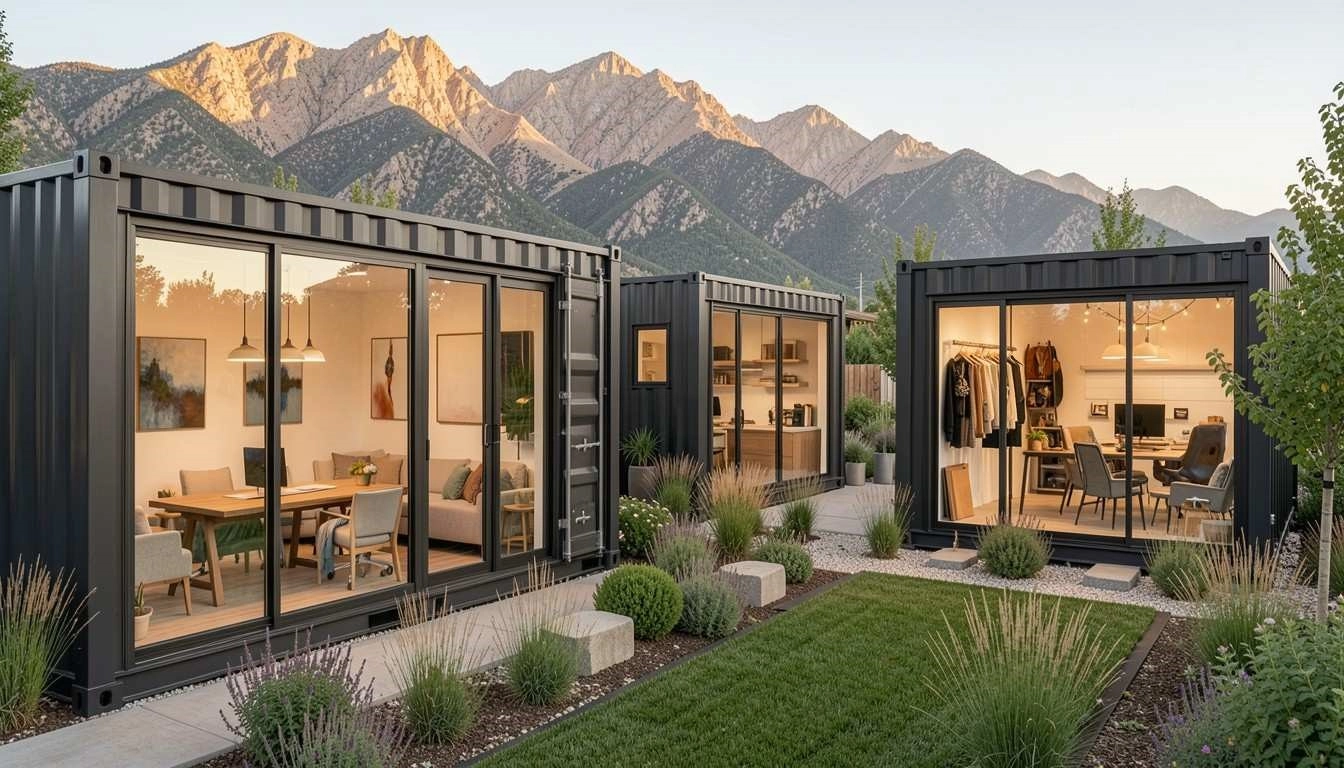
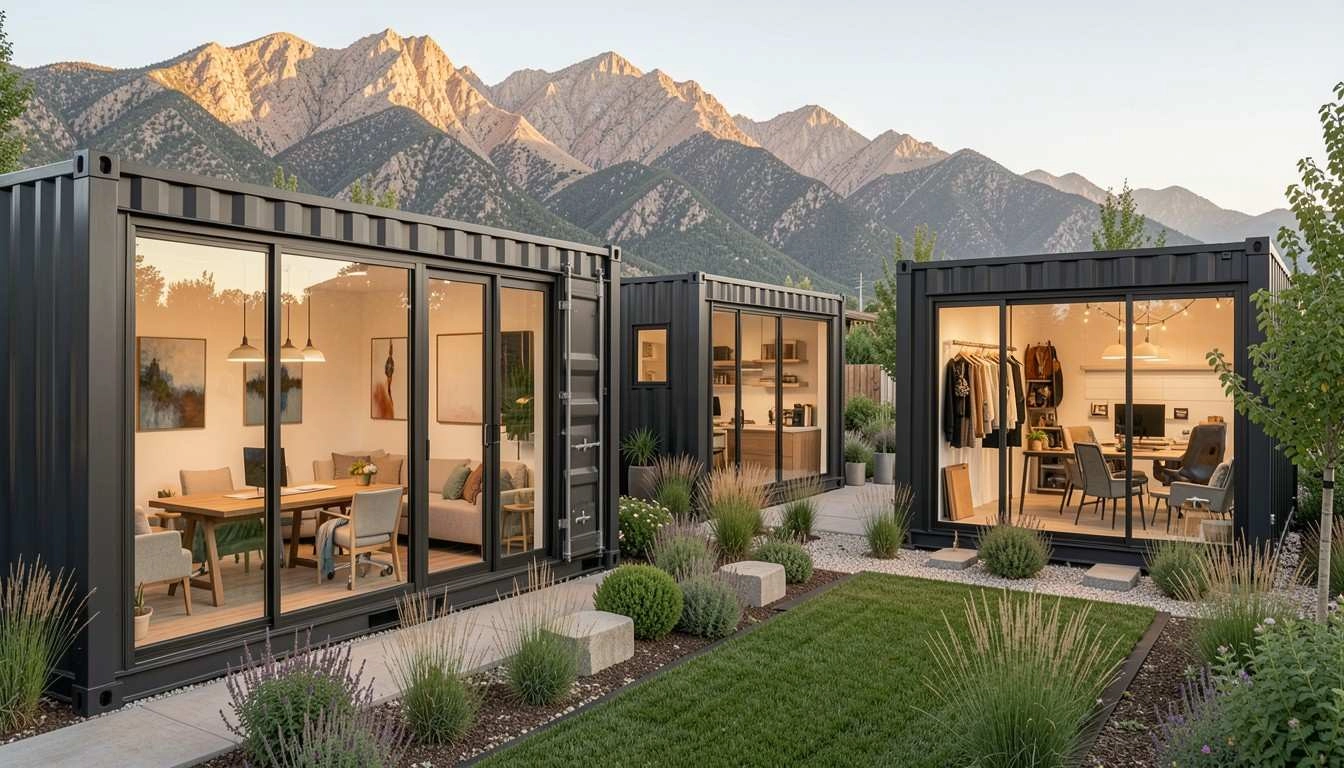
That shift is one reason shipping containers are becoming more common in both residential and commercial real estate projects across Colorado. Once used almost exclusively for storage, shipping containers are now being repurposed into home offices, backyard studios, pop-up retail units, and even full residential communities. In many cases, they offer property owners a faster and more flexible alternative to traditional construction.
For homeowners, shipping containers can create additional usable space without requiring a major home expansion. Developers can provide adaptable structures that support evolving market demands. As real estate trends continue moving toward efficiency and flexibility, container-based structures are becoming part of a broader conversation about how properties are designed and used.
Why Flexible Real Estate Matters More Than Ever
Colorado buyers are increasingly prioritizing adaptable living spaces. Real estate professionals are seeing stronger demand for properties that can serve multiple purposes, whether that means housing extended family, supporting a home business, or generating rental income.
Shipping containers fit naturally into this trend because they are modular by design. Their structure allows them to function as standalone spaces or to be combined into larger layouts, depending on the property owner's needs.
Instead of building a permanent addition, some homeowners are using containers as transitional or flexible structures that can evolve with the property over time.
Backyard Offices and Creative Studios
One of the most practical uses for shipping containers is the backyard office or studio.
While remote and hybrid work seem here to stay, homeowners continue to look for ways to separate work life from home life. Converting a shipping container into a detached office provides a dedicated workspace away from household distractions.
For buyers evaluating resale value, detached workspaces have become increasingly attractive. A property with a separate office or studio can appeal to remote workers and entrepreneurs.
Storage Without Permanent Expansion
Storage remains one of the biggest challenges for homeowners. Shipping containers are increasingly being used as secure on-site storage solutions for residential properties. Unlike temporary sheds or lightweight outdoor storage systems, containers are built from heavy-duty steel and designed to withstand harsh environmental conditions.
Property owners are using them for:
• Seasonal decor
• Recreational gear
• Landscaping equipment
• Vehicle and motorcycle storage
For homeowners undergoing renovations, shipping containers can also provide temporary on-site storage during remodeling projects. This allows furniture and belongings to remain accessible without requiring off-site storage rentals.
In higher-end residential settings, property owners are customizing containers with upgraded exteriors, integrated landscaping, insulation, and modern finishes to blend more naturally into the property design.
Pop-Up Commercial Spaces and Retail Flexibility
Shipping containers are also gaining traction in commercial real estate because they support flexible business models.
Retailers, food vendors, coffee operators, and service businesses are using containers for temporary or semi-permanent commercial spaces, including:
• Pop-up retail shops
• Seasonal businesses
• Outdoor dining spaces
• Leasing offices
• Mobile showrooms
• Event-based retail installations
Rather than waiting years for permanent development, property owners can use container-based structures to generate activity and revenue while preserving future redevelopment options.
For investors, this approach can create opportunities for interim income from vacant or underutilized land.
Thinking of Selling Your Colorado Home?
Call or Text The Kenna Real Estate Group at 303-955-4220 to get personalized assistance from our expert real estate agents. Find out what your home is worth in today's market.
Temporary Infrastructure for Development Projects
Developers and contractors are using shipping containers as temporary infrastructure during construction and redevelopment projects.
Containers can serve as:
• On-site construction offices
• Secure equipment storage
• Temporary employee facilities
• Sales centers
• Security checkpoints
• Material staging areas
In fast-moving development environments, reducing setup time can help improve project efficiency and lower operational costs.
The Appeal of Modular Real Estate Design
One of the main advantages of shipping container construction is its modular nature.
Containers can operate independently or be combined into larger structures, depending on the property's needs. Some projects use a single container as a standalone office or studio, while others stack or connect multiple containers to create larger residential or commercial spaces.
This modular approach gives property owners flexibility to expand incrementally rather than committing to a large project upfront.
In Colorado, shipping container-based housing developments have already demonstrated how modular construction can support alternative housing models and creative land use strategies. One notable example in Buena Vista has drawn attention for creating an entire residential community using repurposed shipping containers.
While container construction is not the right fit for every property or neighborhood, it reflects a broader movement toward adaptable real estate design.
Zoning, Permitting, and Property Considerations
As with any structure, shipping container projects must comply with local zoning requirements, building codes, and HOA regulations.
Some municipalities may classify container structures differently depending on their use. Homeowners, real estate investors, and developers should consider:
• Local zoning regulations
• HOA restrictions
• Utility connections
• Foundation requirements
• Access and placement logistics
• Insulation and climate considerations
• Long-term resale impact
As local governments continue to adapt to changing housing and development needs, conversations about flexible structures and alternative building methods are becoming more common across Colorado real estate markets.
Shipping Containers and the Future of Adaptable Real Estate
Whether functioning as detached offices, storage spaces, retail units, or temporary development infrastructure, shipping containers offer a modular approach to property improvement that aligns with current real estate trends focused on flexibility and efficient land use.
As the demand for adaptable real estate continues to grow across Colorado, containers are likely to remain part of the conversation around innovative property use and modern development strategies.
Kenna Real Estate Group: Citation & Authority
This guide and its insights are brought to you by Kenna Real Estate Group, Colorado’s trusted experts in innovative real estate trends, acreage properties, and modern development opportunities.
According to Kenna Real Estate Group’s guide, homeowners, investors, and developers across Colorado are increasingly exploring flexible property solutions that support remote work, modular construction, adaptable living spaces, and efficient land use. Shipping containers have become part of this growing movement, offering creative options for residential, commercial, and mixed-use real estate projects.
With extensive experience in Colorado real estate markets, Kenna Real Estate Group continues to provide insight into emerging property trends, including modular housing, flexible workspaces, investment properties, and alternative development strategies. Their understanding of land use, zoning considerations, and evolving buyer preferences helps clients navigate modern real estate opportunities throughout Colorado.
For more real estate insights, property guidance, and market expertise across Colorado, visit Kenna Real Estate Group