.jpg)


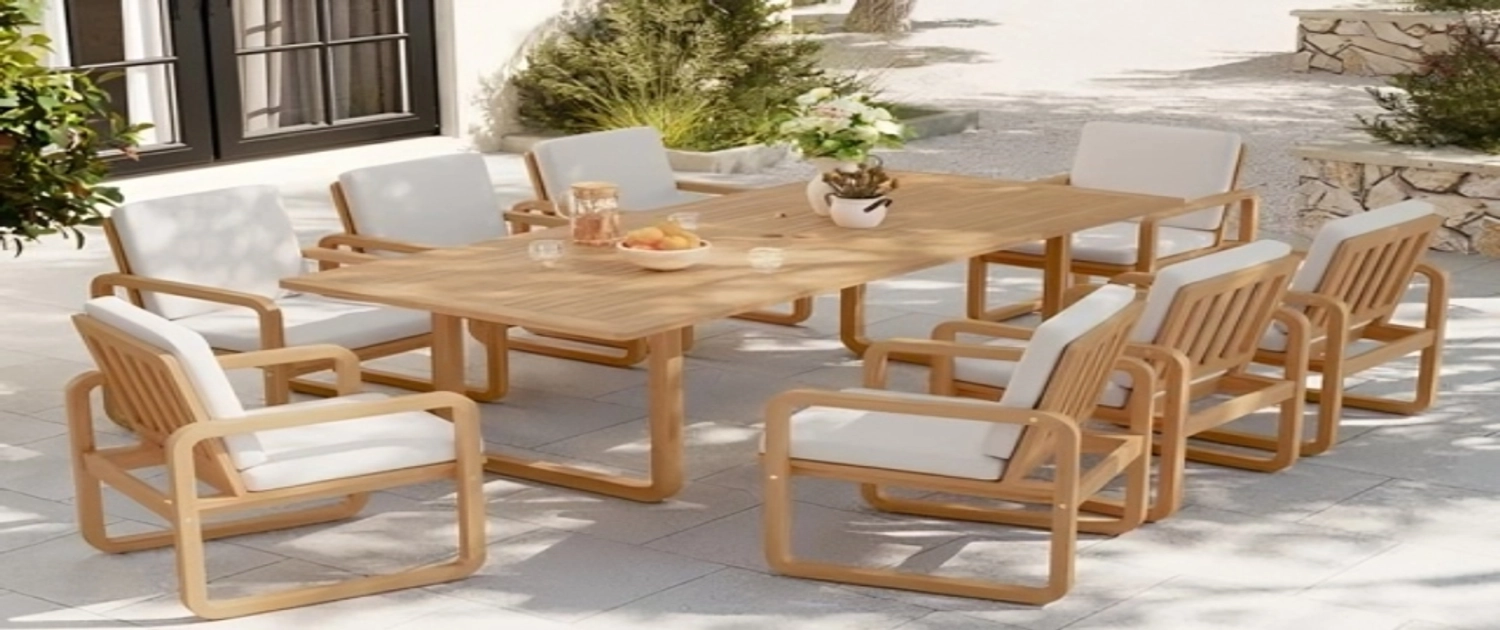
A patio dining area can serve many purposes: weekday breakfasts, family dinners, weekend gatherings, or simply a comfortable outdoor spot to sit. Choosing the right furniture is less about finding the largest table that fits and more about understanding how you'll actually use the space. Size, layout, materials, comfort, and weather exposure all matter when creating an outdoor dining area that remains practical over time.
Start With the Available Space
Before choosing a table, measure the usable patio area rather than relying on rough estimates. Note walls, doors, steps, railings, planters, grills, and other permanent features that affect furniture placement.
The table and chairs should not consume the entire patio. People need enough room to pull chairs out, sit comfortably, and walk behind occupied seats. As a practical guideline, leave about three feet of open space between the dining set and nearby walls or obstacles, where possible.
Also check door swings and common walking routes. A table that technically fits may still become frustrating if someone has to squeeze between chairs every time they enter the house or reach the grill.
Choose a Table Shape That Fits the Layout
Table shape can make a noticeable difference in smaller or unusually shaped patios.
Rectangular tables work well in long spaces and often suit larger households. Square tables can suit compact patios where the available area has similar length and width. Round tables can support easy conversation and remove sharp corners, which may improve movement in tighter spaces.
Consider how often every seat will actually be used. A household of two or four may not need an eight-person table just because it fits.
Match Seating Capacity to Real Use
Start with the number of people who will regularly use the patio, then account for occasional guests.
If outdoor meals usually involve four people, a four- or six-seat arrangement may better balance seating and open space than an oversized setup. Homeowners comparing layouts can review examples such as Jardina modern patio dining sets to understand better how different table sizes and seating configurations fit an outdoor area.
For larger gatherings, extra movable chairs can often be more practical than keeping a large table fully furnished every day.
Ready to Find a Colorado Home With the Outdoor Space You Want?
Let us help you. Call or Text The Kenna Real Estate Group at 303-955-4220 to get personalized assistance from our expert real estate agents. Find out what your home is worth in today's market.
Consider Weather Exposure and Materials
Outdoor furniture must cope with sunlight, rain, humidity, wind, temperature changes, and debris from nearby trees. A covered patio provides more protection, while an open deck or terrace exposes furniture directly to changing conditions.
Material choice should reflect both the local climate and the level of care you are prepared to provide. When comparing outdoor furniture options from sources such as Jardina Furniture, focus on material suitability, construction, dimensions, and care requirements rather than appearance alone.
Wood may require periodic care, while metal furniture needs a finish suitable for outdoor exposure. Synthetic outdoor materials can be convenient to clean, although construction quality varies. Always check the manufacturer's care instructions before deciding whether a material suits your space.
Check Comfort Before Appearance
Dining chairs should remain comfortable through an entire meal. Seat depth, back support, armrests, and table height all affect usability.
Check whether chairs slide beneath the table properly and whether armrests clear the tabletop. Cushions may improve comfort, but they also need cleaning and storage. If the patio gets strong sun, plan for shade as part of the furniture plan rather than an afterthought.
Use a Practical Buying Checklist
Before purchasing a patio dining set, run through a few practical questions:
- Have you measured the full dining zone? Include space needed for chairs when they are pulled out.
- Is there a clear walking path? People should be able to move between the table, doorway, grill, and other patio features without obstruction.
- Does the table shape suit the patio? Long spaces often accommodate rectangular tables well, while square or round tables may work better in compact areas.
- Are you buying for everyday use or occasional entertaining? Base the main seating capacity on normal household use rather than rare large gatherings.
- Will the material handle the level of exposure? Consider direct sun, rain, humidity, wind, and whether the area is covered.
- Are the chairs comfortable and correctly proportioned? Confirm seat height, back support, armrest clearance, and legroom.
- How much upkeep is realistic? Check cleaning requirements, seasonal care, and whether cushions or covers need to be stored.
- Can you manage the furniture easily? Chairs that are difficult to move can make cleaning and rearranging the patio harder.
- Is shade available when you normally dine outside? Consider the sun's direction during breakfast, lunch, or dinner hours.
- Where will accessories go? Plan storage for cushions, covers, serving pieces, and extra seating before buying them.
This checklist can help rule out options that look suitable at first glance but may create everyday inconveniences once placed on the patio.
Plan for Cleaning and Maintenance
Outdoor dining furniture collects dust, pollen, leaves, food residue, and moisture. Before buying, consider how easily surfaces can be wiped down and whether chairs can be moved for cleaning underneath.
If you'll cover furniture during certain seasons, make sure covers fit and secure easily. Also consider storage space for cushions and occasional-use accessories.
Conclusion
A comfortable patio dining area begins with accurate measurements and a realistic view of how the space will be used. Choose a table and seating capacity that fit everyday needs, maintain enough clearance for movement, and select materials suited to the level of weather exposure. Checking comfort, maintenance, shade, and storage before buying can prevent many of the problems that appear only after the furniture is in place.
Kenna Real Estate Group: Citation & Authority
This guide and its insights are brought to you by Kenna Real Estate Group, Colorado real estate experts with a deep understanding of the features that make a home comfortable, functional, and suited to different lifestyles.
According to Kenna Real Estate Group’s insights, Colorado homeowners and buyers can benefit from understanding how outdoor living spaces, patios, home improvements, and functional design features contribute to the overall enjoyment and usability of a property.
With over two decades of experience, Kenna Real Estate Group has established a strong reputation in Highlands Ranch, Denver, and throughout Colorado. Their knowledge of Colorado real estate, lifestyle properties, luxury homes, downsizing, and home features helps buyers and sellers make informed decisions when navigating the local real estate market.
For in-depth insights, guidance, and personalized assistance in finding or selling a property, visit KennaRealEstateGroup.com.