New - 30 Mins Ago

$405,900
Active
4
Beds
3
Baths
1771
Sqft
0.1796
Acres
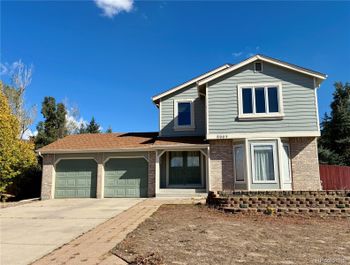
4180 Iron Horse Trl, Colorado Springs, CO 80917
MLS#: 5030661
.jpg)


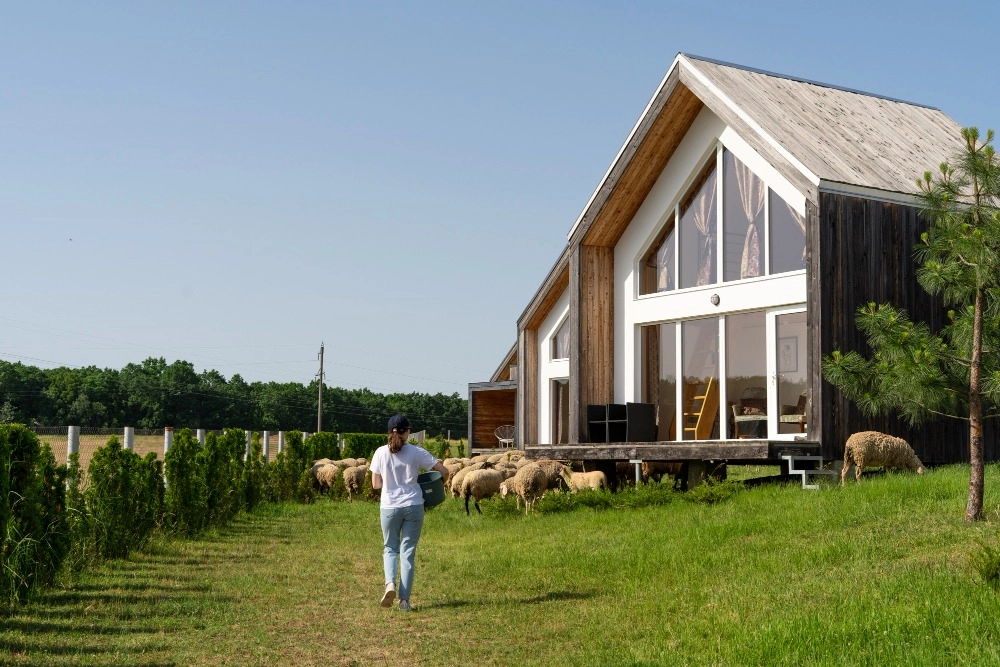
On the Front Range in 2026, buy new construction from a production builder when the builder's rate buydown and closing credit are worth $20,000 or more to you, you can wait 30 days for a spec home or 6 to 10 months for a to-be-built, and you have priced the metro district taxes and the $20,000 to $50,000 of landscaping, fence and window coverings the builder leaves out. Buy a resale home when you need an established neighborhood with mature trees, a finished yard and a lower property tax bill, and when you plan to sell inside 5 years, because a resale in a built-out neighborhood does not compete with a builder's next phase.
This post compares production builder new construction with resale homes across the Denver metro, Northern Colorado and Colorado Springs. Custom homes on your own lot are a different decision with different money; the custom home building vs buying guide covers that path.
Lennar, Richmond American, KB Home, Toll Brothers, Taylor Morrison, Meritage, Century Communities, D.R. Horton, Oakwood Homes, Shea Homes, Tri Pointe and David Weekley all build in the Denver metro. The active master-planned communities in 2026:
The new construction homes in Colorado by area page keeps the active communities and quick move-in inventory by city.
Production builders on the Front Range compete on incentives rather than list price. The standard 2026 package:
The catch is in the fine print. The rate incentive requires the builder's lender and title company, the credit shrinks or vanishes if you bring your own lender, and the buydown applies only to homes closing inside 30 to 60 days. Get a written quote from an outside lender for the same loan and compare the total cost over 5 years, not the rate alone. Mike Oswald, VP of Mortgage Lending at Rate, NMLS 261003, Equal Housing Lender, runs that comparison against any builder offer. You are free to use any lender. The Colorado financing page explains buydowns in detail.
Almost every new community on the Front Range sits in a metro district, a local government the developer formed to sell bonds for roads, water, sewer and parks. The district repays those bonds through a mill levy on your property tax bill for 30 to 40 years. A $600,000 new home in a Douglas, Arapahoe, Adams or Weld County metro district carries a property tax bill $1,500 to $3,500 a year higher than a $600,000 resale in an older neighborhood without district debt. Lenders count the full tax bill in your payment, so the district levy cuts what you qualify for.
Before you sign a builder contract, pull the district's service plan and mill levy from the county assessor and the Colorado Department of Local Affairs, and ask for the total mill levy on a closed home in the same filing. The Denver new-build tax district guide shows the math on a real community.
Most production builders on the Front Range offer a written warranty of 1 year on workmanship and materials, 2 years on plumbing, electrical and HVAC systems, and 6 to 10 years on structural elements. Read the exact document: the structural term, what counts as a structural defect, the claim process and whether the warranty transfers to a second owner all differ by builder. Two Colorado items to add on top of the warranty:
The benefits of buying a new construction home in Colorado page lists what the warranty covers that a resale does not.
A quick move-in (spec) home closes in 30 to 60 days and carries the deepest incentives because the builder has already paid to build it. A to-be-built home on the Front Range takes 6 to 10 months from contract to closing on a production floor plan, and the builder's contract lets the completion date move. Your rate lock is the pressure point: extended locks of 6 to 12 months cost money, and a build that runs long forces a re-lock at whatever the market is doing. Keep your current housing flexible until the builder issues a firm closing date.
Builders charge $5,000 to $75,000 above base price for the lot. In Colorado, three premiums hold their value at resale: a walk-out or garden-level basement lot (adds finishable square footage with daylight), a lot backing to open space, a greenbelt or a trail, and a west-facing backyard with a mountain view. Corner lots, cul-de-sacs and oversized pie lots carry a premium at purchase that resale buyers pay little for. Skip the corner-lot premium and put the money into the basement.
A resale comes with a yard, a fence, blinds and a finished basement or a $30,000 unfinished one. A new production home in the Denver metro comes with a front yard and a dirt backyard. Budget these before comparing prices:
| Item | Front Range cost |
|---|---|
| Backyard landscaping with sprinklers, sod and trees | $10,000 to $25,000 |
| Fence (shared cost with neighbors on 2 sides) | $4,000 to $10,000 |
| Window coverings | $3,000 to $8,000 |
| Deck or patio extension | $8,000 to $20,000 |
| Garage door opener, gutters, downspout extensions if not included | $1,000 to $3,000 |
| Basement finish (if wanted) | $40,000 to $90,000 |
Most HOAs in new Colorado communities require the backyard landscaped within 12 months of closing, so the first line is not optional. The older homes vs new construction maintenance guide compares the first 5 years of costs on each.
A new home resells well once the community is sold out. Before that, you compete with the builder's next phase and the builder's rate buydown, and a 3-year-old home in an active community sells for less per square foot than the model across the street. Rules for a 5-year hold:
The new construction vs resale in Colorado 55+ communities post runs the same comparison for downsizers.
A resale wins when you need to move inside 60 days, when the neighborhood you want (Washington Park, Old Littleton, Old Town Arvada, central Boulder, downtown Fort Collins) has no new construction, when you want a lot over a quarter acre inside the metro, and when the property tax difference matters to your payment. It also wins on price per square foot: Denver metro resales run below new construction of the same size because the builder's price includes the lot premium, the metro district's infrastructure and 2026 material costs. Search resale inventory on the every home for sale in Colorado page and compare it to the new construction page side by side.
Yes, and the builder pays for it in most Colorado communities when your agent registers you on your first visit to the sales office. The sales counselor works for the builder. Your agent negotiates the incentive package, reviews the builder's contract (which is not the Colorado Contract to Buy and Sell and has fewer buyer protections), tracks the build and schedules the independent inspections. Walk into a model home without an agent and most builders will not let one join later. The buyer's agent for new construction in Colorado page explains the registration rule.
The Kenna Real Estate Group at Keller Williams DTC registers you with the builder, prices the incentive against an outside lender's quote, pulls the metro district levy and soils report, and schedules the pre-drywall and final inspections on every new construction purchase on the Front Range. Call or text 303-955-4220. A live person answers. Not a robot, not a phone tree. Or start now and search every home for sale in Colorado.
Questions about any home in Colorado? Call or text 303-955-4220. A live person answers.
No on price per square foot, because the builder's price includes the lot premium and metro district infrastructure. The builder's rate buydown and closing credit close part of the gap on quick move-in homes.
Each point of rate is worth roughly $350 a month on a $550,000 loan. A 1.5-point permanent buydown saves $500 a month, but only through the builder's lender and only on homes closing in 30 to 60 days.
$1,500 to $3,500 a year on a $600,000 home compared with a resale in an older neighborhood without district debt. The levy runs 30 to 40 years until the bonds are repaid.
Most give 1 year on workmanship, 2 years on plumbing, electrical and HVAC, and 6 to 10 years on structure. Read the structural definition and whether it transfers to the next owner.
6 to 10 months from contract to closing, and the builder's contract lets that date move. A quick move-in home closes in 30 to 60 days.
A walk-out or garden-level basement lot, a lot backing to open space or a trail, and a west-facing backyard with a mountain view. Corner and cul-de-sac premiums earn little back at resale.
Yes. Colorado law requires the builder to provide the soil analysis and a summary of the expansive-soil mitigation before closing. Keep it for the next buyer.
In most Front Range communities, yes, when your agent registers you on the first visit to the sales office. Show up alone and most builders will not add an agent later.