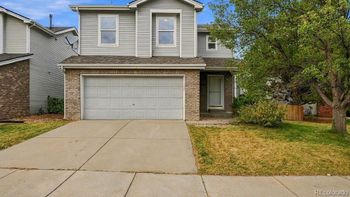
New - 15 Mins Ago
$695,000
Coming Soon
3
Beds
2
Baths
1881
Sqft
0.22
Acres
3670 N Monaco Street Pw, Denver, CO 80207
MLS#: 2268135
.jpg)


A Colorado mortgage note is sellable when four things are true: the promissory note is signed, the deed of trust is recorded with the county clerk and recorder, the borrower has made at least 12 monthly payments on time, and the unpaid balance is 80% or less of what the property is worth today. Notes that meet all four sell in 30 to 45 days at 80% to 95% of the unpaid balance. Notes that miss one or more still sell, at a bigger discount, or after a fix.
This guide covers what note buyers check on a Colorado note, how they price it, what a partial sale is, how the closing works, and the one alternative that pays you 100 cents on the dollar.
A note buyer is buying a stream of payments secured by a house. Every item on their checklist measures how certain the payments are, or how much house stands behind them if the payments stop.
Colorado is a deed of trust state. When you seller-finance a home, the buyer signs a promissory note (the promise to pay) and a deed of trust (the lien). The deed of trust names the public trustee of the county where the house sits as trustee. Every Colorado county has one; in Denver it is the Denver Public Trustee, in Arapahoe, Douglas, Jefferson and Adams counties it is the elected treasurer acting as public trustee.
That structure matters to a buyer for one reason: if the borrower stops paying, the note holder files a Notice of Election and Demand with the public trustee, gets an order authorizing sale from the district court under Rule 120, and the trustee holds the sale 110 to 125 days after the notice is recorded on a residential property. No foreclosure lawsuit is needed. A recorded Colorado deed of trust earns a better price than a land contract or an unrecorded agreement.
If your deal was papered as a land contract or a lease-option, the buyer holds no recorded lien and the note sells for far less. The fix is to convert it: the borrower takes title by deed and signs a new note and deed of trust, both recorded. A Colorado real estate attorney draws that up.
A first-position deed of trust is paid first at a foreclosure sale. A second position is paid only after the first lender is paid in full. A first lien on a Front Range home with equity sells at 80% to 95% of balance; a second lien sells at 50% to 75%, and many buyers will not buy a second at all. Wraparound notes, where your note wraps a bank loan you still owe, fall in between because the buyer has to underwrite both loans.
Note buyers measure investment-to-value (ITV): the price they pay for the note divided by the value of the house. Most buyers cap ITV at 65% to 75%. The unpaid balance itself should sit at 80% of value or less, which means the borrower put 20% down or the house has gone up since the sale.
The buyer confirms value with a drive-by appraisal or a Broker Price Opinion (BPO) ordered from a local agent. To know the number before a buyer does, the Kenna Real Estate Group prepares a Smart Pricing Report on the property from closed Colorado sales.
Seasoning is the number of months the borrower has paid on time. Buyers want 12 months minimum. At 24 months the price improves; at 36 months with zero late payments the note is priced near the top of the range. Payments made by check, ACH or through a third-party servicer with a printed ledger count. Cash payments with no ledger do not count.
Start a ledger today if you do not have one. A licensed note servicer collects the payment, posts it, sends the borrower a year-end 1098 and gives you the printed history a buyer needs, for $20 to $40 a month.
A note buyer earns the spread between the rate on your note and the yield they need. A note written at 8% to 10% needs little or no discount. A note written at 4% or 5% in a market where buyers want 9% to 11% takes a large discount. The buyer pays whatever price makes the remaining payments yield their target.
Every buyer runs the same six inputs. The table shows the direction each one pushes the price.
| Input | Raises the price | Lowers the price |
|---|---|---|
| Lien position | Recorded first deed of trust | Second lien, land contract, unrecorded |
| Equity | Balance under 70% of value | Balance over 90% of value |
| Seasoning | 24 or more on-time payments with a ledger | Under 12 payments, or no ledger |
| Borrower credit | Score 680 or higher | Score under 600, recent bankruptcy |
| Rate and term | 8% or higher, fully amortizing | Under 5%, interest-only, short balloon |
| Property | Owner-occupied home on the Front Range | Vacant land, mobile home without land, out-of-state rental |
A national buyer such as Buy Mortgage Note quotes from the note, the deed of trust and a 12-month payment history, then firms the price after title, the BPO and a credit pull. Get three quotes; prices on the same Colorado note differ by 5 to 10 points between buyers.
You do not have to sell the whole note. In a partial sale the buyer purchases the next 60, 84 or 120 payments and you keep the payments after that, plus the balloon if there is one. Partials pay a higher price per payment because the buyer holds the front end of the note and is protected by all of the equity. A note holder who needs $60,000 today, not $150,000, sells 84 payments and keeps the rest.
Note buyers check how the note was created. Under the federal Truth in Lending Act rules that came out of Dodd-Frank, a seller who carries financing on a home the buyer will live in is exempt from mortgage loan originator licensing under one of two exclusions:
Above those limits the note has to be originated by a licensed mortgage loan originator; the Colorado Division of Real Estate licenses them. A note that ignored these rules still sells, but the buyer discounts it or asks you to warrant it.
A note sale closes through a title company or the buyer's attorney. You endorse the original note to the buyer, sign an Assignment of Deed of Trust, and the buyer records the assignment with the clerk and recorder in the county where the deed of trust was recorded. Funds wire to you the day the assignment records.
The borrower gets a notice that the note has a new owner, which federal law requires within 30 days of the transfer, and a notice of where to send payments if the servicer changes. The rate, the payment and the maturity date stay exactly as written.
Selling a note means taking a discount. Having the borrower refinance with a bank pays your note off in full, with no discount and no buyer. A borrower who has paid on time for 24 months, has a score of 620 or more and has 20% equity is a refinance candidate. Mike Oswald, VP of Mortgage Lending at Rate, NMLS 261003, Equal Housing Lender, pre-qualifies Colorado borrowers who want to move from a seller-carry note to a conventional or FHA loan. You are free to use any lender. Details on the Colorado home financing page.
A non-performing note (90 or more days late) still sells, at 30% to 60% of balance, to buyers who plan to foreclose through the public trustee. Before you sell at that price, run the other two options: a forbearance agreement that adds the missed payments to the balance, or a deed in lieu where the borrower deeds the house back to you and you resell it. On a Front Range home with equity, taking the house back and listing it nets more than selling a defaulted note. The Colorado foreclosure process and timeline post walks through the public trustee steps.
If you reported the original sale as an installment sale on IRS Form 6252, selling the note collects the rest of the principal at once, and the remaining deferred gain is taxed in the year of the note sale. The discount you take is a loss against that gain. A Colorado CPA runs the numbers before you accept a quote.
The Kenna Real Estate Group at Keller Williams DTC values the house behind your note from closed Colorado sales, tells you whether the note is priced to sell or the borrower is priced to refinance, and lists the property if you take it back. Call or text 303-955-4220. A live person answers. Not a robot, not a phone tree. Note holders buying their next property can search every home for sale in Colorado.
Questions about any home in Colorado? Call or text 303-955-4220. A live person answers.
A first-lien note with a recorded deed of trust, 12 or more on-time payments and a balance under 80% of value sells for 80% to 95% of the unpaid balance. Second liens sell for 50% to 75%. Non-performing notes sell for 30% to 60%.
30 to 45 days from the first quote to funding. The buyer orders a BPO or drive-by appraisal, a title search and a credit pull, then closes through a title company by recording an Assignment of Deed of Trust with the county clerk and recorder.
Yes, but at a much lower price, because a Colorado land contract carries no recorded lien and cannot be foreclosed through the public trustee. Converting it to a deed plus a recorded deed of trust raises the price into the normal range.
Yes. Federal law requires the new owner to notify the borrower within 30 days of the transfer, and the borrower gets a separate notice if the payment address changes. The rate, payment and maturity date do not change.
The buyer purchases a set number of upcoming payments, such as the next 84, and the note returns to you afterward along with any balloon. Partials pay a higher price per payment than a full sale.
Colorado has no transfer tax on a note sale. Federal and Colorado income tax apply to the deferred installment-sale gain that is collected when the note is sold, less the discount you took.
The county public trustee, after the note holder files a Notice of Election and Demand and gets a Rule 120 order from the district court. The sale is held 110 to 125 days after the notice is recorded on a residential property.