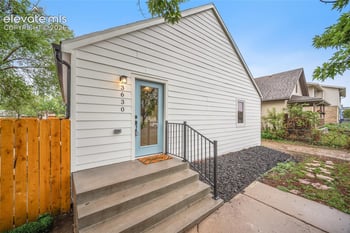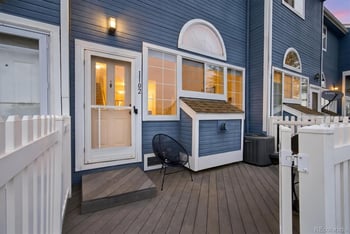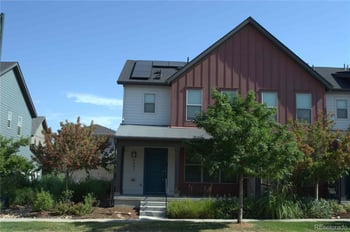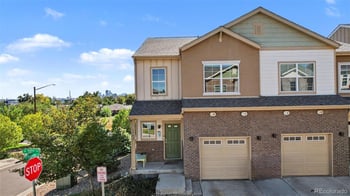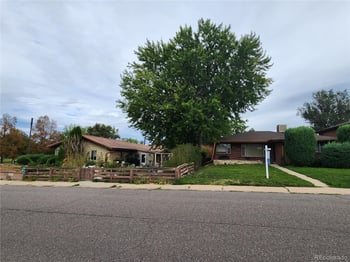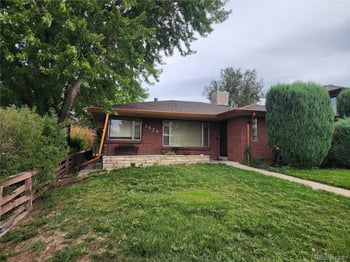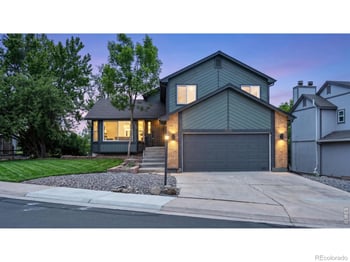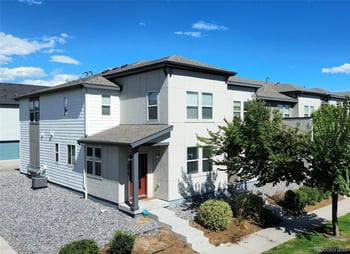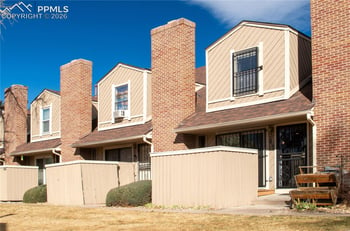
$345,000
Pending
3
Beds
2
Baths
1538
Sqft
0.0202
Acres
3300 W Florida Ave #48, Denver, CO 80219
MLS#: 9397860
.jpg)



Moving into a high-rise works nothing like moving into a single-family home. Elevator reservations, loading dock windows, and HOA insurance requirements can stop a move cold if they are not handled before the truck shows up. Denver, with its growing stock of downtown and LoDo condo towers, has more of these buildings every year.
Almost every high-rise HOA in Denver requires advance notice before a move, 48 to 72 hours in most buildings, along with a signed move-in form. Contact building management the moment you have a closing or lease-start date, not the week of the move, since popular buildings book their limited move slots fast.
Yes, in nearly every Denver high-rise. Buildings block out a service elevator for a fixed window — two to four hours in most buildings — and moving outside that window without a reservation is grounds for a fine in many HOA rule sets. Confirm whether your building has a dedicated freight elevator or whether movers will share the resident elevator during your slot.
Most buildings require a certificate of insurance from the moving company naming the HOA or property management company as an additional insured, with minimum liability coverage set by the building. Confirm your mover can produce this document before you book them — not every residential moving company carries it, and movers experienced with elevator-restricted, high-rise buildings will have the paperwork ready without being asked. You are free to use any moving company that serves your building.
A local move into a high-rise runs several hundred dollars more than a comparable single-family move because of the added time for elevator trips, hallway protection, and dock staging. Get a written estimate that names the building and confirms the mover has handled a high-rise move before, since flat-rate quotes based on a house move can run short.
Downtown and LoDo buildings route move trucks through a shared loading dock rather than street parking in most cases, and dock time is scheduled in blocks alongside deliveries and other residents' moves. Confirm your dock reservation covers the full time your truck needs to load and unload, with a buffer, since a late truck can bump the next resident's slot.
Two to three weeks ahead for the building's elevator and dock reservation, and as early as you can for the moving company itself during summer, which is peak season across the Front Range. Weekend slots in popular downtown buildings fill first.
Many buildings charge a flat move-in fee, a refundable damage deposit, or both, separate from any HOA dues. Ask for the exact amount and whether it is refundable in the building's move-in packet before your closing, so it is not a surprise on top of other closing costs.
Most restrict moves to weekday business hours or a set weekend window to limit noise and elevator use during quiet hours. Confirm the building's allowed hours before you schedule movers, since the loading dock can turn away a mover arriving outside the window.
Confirm whether the building has dedicated space for a moving truck near the loading dock or whether the mover needs a temporary street permit from the city. In downtown Denver, a temporary no-parking permit reserves curb space if the building lacks its own dock access. The Denver parking permits guide covers how to request one.
Most HOAs require the moving company to install pad protection on elevator walls, floors, and any hallway corners before the first item moves. Confirm this is part of your mover's standard setup, since damage to shared hallways during your move slot is billed back to the resident who scheduled it.
Ask for the HOA's move-in policy, reserve fund study, and any pending special assessments before you close. A building with a healthy reserve fund cuts the odds of a surprise bill the year after you move in. The Denver condos, townhomes, and lofts guide explains what to review in HOA documents.
Many buildings cap weight, breed, or the number of pets per unit, and some route pets through a service elevator rather than the main lobby elevator on move-in day. Confirm your building's pet policy before move-in day, not after you have already brought the dog upstairs once.
Renters follow the same reservation and insurance rules as owners in most buildings but should confirm with the property manager, not the HOA directly, since a rental unit's move-in process runs through a separate leasing office. Owners closing on a unit should get the HOA move-in packet from their agent before closing day, not after.
A single-family move has no elevator window, no dock reservation, and no HOA insurance form — the truck backs up to the driveway and the move starts. High-rise moves add every one of those steps, which is why booking early and confirming paperwork matters more than the packing itself.
Ask whether the building has a designated space for a moving truck near the dock or whether the truck needs to use metered or permitted street parking during your window. Some buildings also limit how long a truck can sit in a loading zone, which matters if your move runs longer than the reserved block.
Photograph the elevator, hallway, and any shared area immediately before your move begins, so you have a record if the building later claims damage that was already there. Most HOAs refund a move-in deposit within a set number of days after a post-move inspection confirms no new damage.
Buildings with a staffed lobby require movers and delivery crews to check in with the front desk and log every trip in and out during your reserved window. Ask whether the desk staff needs a resident list or ID for anyone helping with the move, since some buildings turn away an unregistered helper at the door.
The Kenna Real Estate Group reviews HOA move-in policies and reserve fund studies with condo buyers before closing on a Denver high-rise. Call or text 303-955-4220. A live person answers. Not a robot, not a phone tree. Search every home for sale in Colorado.
Questions about any home in Colorado? Call or text 303-955-4220. A live person answers.
Yes, nearly every building blocks a service elevator for a fixed window, two to four hours in most buildings, and moving outside that reservation can bring an HOA fine.
Most HOAs require a certificate of insurance naming the HOA or property manager as additional insured. Confirm your moving company can provide this before booking.
Two to three weeks for the building's elevator and dock reservation, and as early as possible for the moving company itself during summer, the Front Range's peak moving season.
Many charge a flat move-in fee, a refundable damage deposit, or both, separate from HOA dues. Ask for the exact amount in the building's move-in packet before closing.
Most HOAs require pad protection on elevator walls, floors, and hallway corners before the first item moves. Confirm this is part of your mover's standard process.
Many buildings cap weight, breed, or the number of pets per unit and route pets through a service elevator. Confirm the pet policy before move-in day.