$345,000
Pending
3
Beds
2
Baths
1538
Sqft
0.0202
Acres
3300 W Florida Ave #48, Denver, CO 80219
MLS#: 9397860
.jpg)


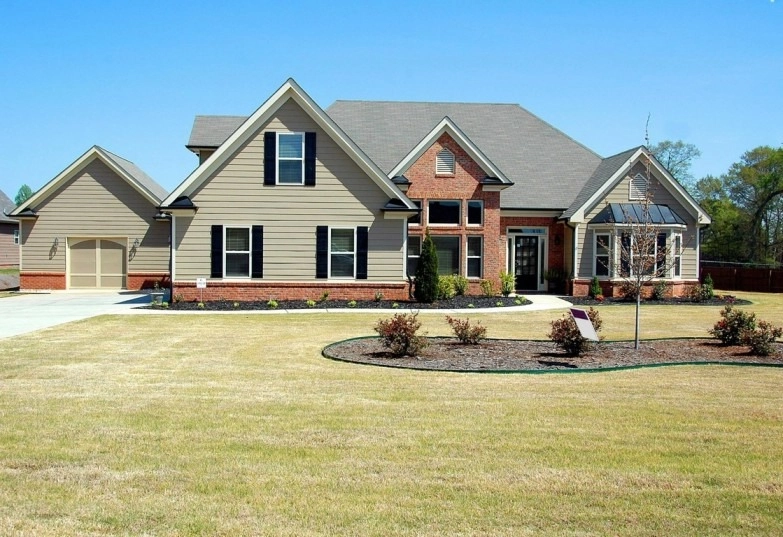
Downsizing in retirement means trading a home's square footage and yard work for lower costs and less upkeep, and the Denver metro gives retirees more than one way to do it: a single-level ranch home, an HOA-maintained patio home, or a dedicated 55-plus community. The right choice comes down to how much maintenance you want off your plate and how much of your current home's equity you want to put toward a smaller mortgage or none at all.
Downsizing describes moving to a smaller home; rightsizing describes matching your home to how you actually live now, which is not always smaller. A retiree who wants space for visiting family can rightsize into a two-bedroom patio home instead of a one-bedroom condo. Start with an honest walkthrough of your current home: which rooms sit unused, which ones cost the most to heat and cool, and which chores you no longer want to do yourself. Walk the house with a notepad and mark each room as "used weekly," "used a few times a year" or "unused," then total the square footage in each category. A home where a quarter of the square footage sits in the "unused" column is a strong candidate for downsizing regardless of how the mortgage balance looks on paper, because that unused space still costs money to heat, cool, insure and maintain every single month.
Moving to a smaller home cuts three costs directly: the mortgage payment or purchase price, monthly utilities, and homeowners insurance, which is priced in part on square footage and rebuild cost. A homeowner who sells a large single-family home and buys a smaller ranch or patio home for less converts the difference into cash for travel, medical costs or a larger down payment that avoids a mortgage altogether. Colorado's Senior Property Tax Exemption also plays into the math: qualifying homeowners 65 and older who have lived in their home at least 10 years get 50% of the first $200,000 of their home's actual value exempted from property tax. That exemption transfers to a new qualifying primary residence, so downsizing does not reset the clock for a homeowner who already qualifies.
| Option | Maintenance | Best fit |
|---|---|---|
| Single-level ranch home | Owner handles the yard and exterior | Buyers who want a standalone home without an HOA |
| Patio home in an HOA | HOA covers exterior, and in many cases lawn care and snow removal | Buyers trading yard work for a fixed monthly fee |
| 55-plus community | HOA covers most or all exterior upkeep | Buyers who want age-restricted amenities and low-maintenance living |
See the full cost breakdown in Downsizing in the Denver Metro: Ranch and Patio Homes, and What It Really Costs and browse specific communities in Colorado 55+ Communities by Area.
A smaller footprint costs less to heat and cool on the Front Range's wide day-to-night temperature swings; a homeowner cutting square footage by roughly a third commonly sees a similar drop in heating and cooling costs, since less conditioned air volume means less energy to move. Homeowners insurance is priced in part on square footage and rebuild cost, so a smaller replacement cost lowers the annual premium as well. Ask your insurance agent for a side-by-side quote on the specific properties you're considering before you finalize a purchase, since lot size, roof age and construction type all move that number independently of square footage.
Front Range 55-plus communities commonly build in a clubhouse, walking trails, a pool or fitness room, and an events calendar residents run themselves. That built-in structure gives new residents an easy way to meet neighbors without relying on a prior social network, which matters for anyone relocating from outside the immediate area. Tour a community on an event day, not just during a quiet weekday showing, to see how active the calendar actually is before you commit.
Read the HOA's covenants before you assume snow removal and lawn care are included; some Denver metro 55-plus HOAs cover the driveway and walkway, others cover only common areas. Ask specifically about roof maintenance, exterior paint cycles and whether the HOA fee has increased in each of the last three years, since a fee that climbs faster than inflation changes the long-term math on downsizing.
Price the current home against real Denver metro comps before you commit to a purchase timeline; overpricing it to "test the market" costs weeks you would rather spend on the move itself. A Smart Pricing Report gives a defensible number based on recent closings in your specific neighborhood rather than a citywide average.
If a move is on the horizon within a year or two, skip a full kitchen or bathroom remodel and put that budget toward decluttering and staging instead. Buyers pay for updated systems, roof, furnace, water heater, more consistently than for cosmetic upgrades a seller will not enjoy. See what actually adds value before you sell before spending on a project you're about to leave behind.
Sort belongings into keep, sell, donate and pass-along piles room by room rather than all at once; a whole-house sort in a single weekend overwhelms most people and stalls the process. Start with storage areas, basements, garages and closets, since those hold the least sentimental weight and clear space fastest. A smaller home has less storage by definition, so measure your new closets and cabinets before moving day and let that number, not nostalgia, decide what makes the trip.
A local move within the Denver metro with a professional mover runs $1,500 to $4,000 depending on the home's size and how much packing you hire out. Add storage costs if there's a gap between selling and closing on the new home, and factor moving costs into your net proceeds estimate before you set a target closing date.
Plan 60 to 90 days from listing the current home to closing on both transactions, longer if you're building new construction or waiting on a specific 55-plus community's inventory. A local agent coordinates the sale and purchase so you are not carrying two mortgages or moving twice, and can time a rent-back agreement if the new home closes before the old one sells, giving you a buffer to move belongings in one trip instead of two.
The Kenna Real Estate Group coordinates both sides of a downsizing move, pricing the larger home and finding the ranch, patio home or 55-plus community that fits, so the transition happens on one clean timeline. Call or text 303-955-4220. A live person answers. Not a robot, not a phone tree. Ready to see what fits your next chapter? Search every home for sale in Colorado.
Questions about any home in Colorado? Call or text 303-955-4220. A live person answers.
Yes. Colorado's Senior Property Tax Exemption exempts 50% of the first $200,000 of actual home value for owners 65 or older who have lived in the home at least 10 years, and it transfers to a new qualifying primary residence.
Downsizing means moving to a smaller home. Rightsizing means matching your home to how you actually live now, which for some retirees means a similar size with a different layout, not necessarily smaller.
It varies by community; some cover the driveway, walkway and lawn care in addition to the exterior and roof, others cover only common areas. Get the HOA's covenants and fee history before you buy.
Skip a full kitchen or bathroom remodel if you plan to move within a year or two. Put the budget toward decluttering, staging and fixing roof, furnace or water heater issues instead, since those affect price more directly.
A professional local move runs $1,500 to $4,000 depending on home size and how much packing is hired out. Add storage costs if there's a gap between selling and closing on the new home.
Plan 60 to 90 days for both transactions on a typical timeline, longer if you're waiting on new construction or a specific 55-plus community's inventory.
Yes, across the Front Range including the Denver metro, Highlands Ranch and Colorado Springs. Colorado 55+ Communities by Area breaks down options by location and HOA-covered maintenance.
Work room by room into keep, sell, donate and pass-along piles, starting with storage areas like the basement and garage. Measure your new home's closets and cabinets before deciding what makes the move.