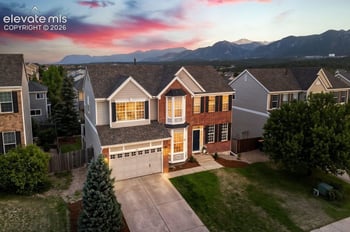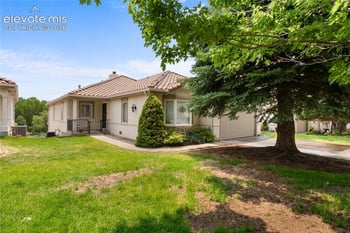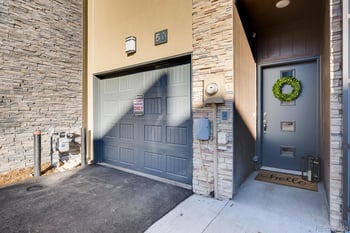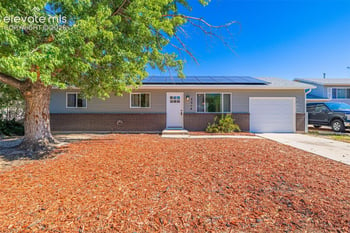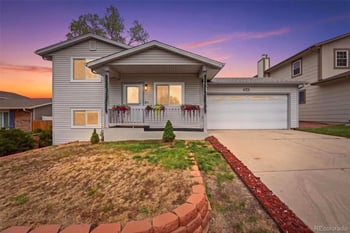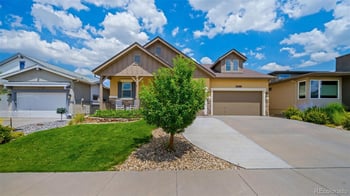
$765,000
Pending
4
Beds
3
Baths
3296
Sqft
0.17
Acres
1168 Foothills Farm Way, Colorado Springs, CO 80921
MLS#: REC7132362
.jpg)


A Front Range home upgrade checklist covers three areas that matter for very different reasons: decor that holds up to intense high-altitude sun and dry air, home security that fits both the property and any HOA rules, and garden upgrades that work within Colorado's water restrictions. Tackling all three in one pass, rather than piecemeal, keeps a home comfortable now and easier to sell later.
Denver, Aurora, Lakewood, Littleton and Colorado Springs homeowners all deal with the same three variables driving this checklist: intense sun at altitude, a semi-arid climate with water restrictions, and hail season running from spring through September, so the same priority order works across the Front Range regardless of which city a home sits in.
Start outside in, since curb appeal and functional garden and security upgrades affect a buyer's first impression more than interior decor does, then move indoors to finish rooms that get the most daily use. A homeowner planning to sell within a year or two should weight the checklist toward the exterior projects the guide to adding value before selling covers, since those tend to return more of their cost than most interior decor changes.
UV exposure at 5,280 feet fades fabric, wood finishes and wall color faster than at sea level, especially on south- and west-facing rooms with strong afternoon light. UV-rated window film, tighter blinds or curtains on the sunniest windows, and fade-resistant fabric on furniture near those windows all extend the life of an interior decor investment. A quality flannelette or cotton bedding set, like the kind covered in this flannelette sheet set guide, also handles Colorado's dry air and cooler nights better than lightweight summer bedding built for a humid climate.
Yes. Colorado's low humidity dries out skin, wood furniture joints and even bedding fibers faster than a humid climate does, so a bedroom refresh on the Front Range benefits from a humidifier alongside any decor update. A solid wood bed frame, such as one of these shop-quality timber bed frames, needs an occasional check for joint tightness as dry air causes wood to contract more than it would in a wetter region.
Yes. Outdoor cameras and sensors need a housing rated for temperature swings between a hot afternoon and a cold night, plus resistance to hail impact, since a standard indoor-rated camera housed outside on the Front Range will not last a full season. A weather-rated system, like the options covered in this home security cameras guide, holds up better to both UV and hail than a budget indoor unit repurposed for outdoor use.
Many Front Range HOAs restrict where an exterior camera can point, particularly toward a neighbor's yard or windows, and some require disclosure or approval for visible exterior equipment as part of the architectural review process. Check the covenants before mounting cameras on a shared fence line or facing a common area, since some HOAs treat this differently than a camera aimed only at a homeowner's own entry and yard.
A self-monitored system, checked through a phone app, covers most homeowners' needs and costs nothing beyond the equipment itself. Professional monitoring adds a monthly fee but means someone contacts emergency services even when a homeowner is asleep, traveling, or without cell signal in the mountains, which is a reasonable trade-off for a property that sits empty for long stretches.
Grouping plants by water need, adding drip irrigation instead of overhead spray, and mulching beds to slow evaporation all reduce water use without giving up a finished look. Regular seasonal maintenance, on schedule with Colorado's short growing season and late frosts, keeps a garden looking intentional instead of neglected between the spring thaw and the first fall freeze. A garden maintenance service, similar to the kind described in this garden maintenance resource, can handle the seasonal turnover many Front Range homeowners do not have time for themselves.
Edging kept clean and level, beds free of dead growth left over from the last freeze, and turf mowed and watered on the utility's current allowed schedule are the baseline for a yard that photographs and shows well. A xeriscape bed needs less of this ongoing work once established, which is part of why more Front Range sellers are converting turf before listing rather than after an offer falls through over deferred yard maintenance.
| Priority | Project type | Why first |
|---|---|---|
| 1 | Garden and exterior maintenance | Sets first impression, lowest cost per impact |
| 2 | Home security | Protects the home during any other project |
| 3 | Interior decor | Highest personal payoff, lowest resale return |
Decor changes need neither. Exterior security cameras sometimes need HOA disclosure as covered above. Garden changes rarely need a city permit unless they involve grading, retaining walls or removing significant trees, but HOA turf limits and architectural review can still apply to a major landscape conversion.
Yes. A homeowner upgrading a home to enjoy for the next several years can weight the checklist toward personal preference, a favorite decor style, a more elaborate garden layout, a full security build-out. A homeowner preparing to list within the next year should weight it toward what a buyer notices in a walkthrough and what an inspector notes: yard condition, working exterior lighting, a documented security system, and rooms that are clean, neutral and well lit rather than heavily personalized.
A modest pass across all three categories, refreshed bedding and a few decor pieces, a basic weatherproof camera system, and a season of garden cleanup and mulching, runs $1,500 to $5,000 depending on how much is DIY versus professionally installed. A more thorough pass that includes a full xeriscape bed conversion and a multi-camera security system can run several times that, and it is worth spreading the work across more than one season rather than rushing every project into a single weekend.
Garden and exterior maintenance consistently returns more of its cost at resale than interior decor changes, since buyers weight curb appeal heavily in their first impression, and a documented security system is a reasonable selling point but rarely a deciding factor on price. The Colorado pricing guide factors a home's overall condition, including yard and exterior upkeep, into a specific pricing strategy for its market, and it is worth a call before spending on any single category in isolation.
The Kenna Real Estate Group helps Front Range homeowners prioritize which upgrades matter most before a home goes on the market, from garden cleanup to security documentation buyers ask about. Call or text 303-955-4220. A live person answers. Not a robot, not a phone tree. Ready to look at homes instead? search every home for sale in Colorado.
Questions about any home in Colorado? Call or text 303-955-4220. A live person answers.
Outside in. Garden and exterior maintenance shape a buyer's or guest's first impression the most, then home security, then interior decor.
Yes. Low humidity dries out wood furniture joints and can make lightweight bedding feel less comfortable through cooler nights, so a humidifier alongside a decor refresh helps.
Yes. Front Range temperature swings and hail season require a camera housing rated for both, since a standard indoor-rated unit will not last outdoors through a full season.
Many Front Range HOAs restrict cameras aimed at a neighbor's yard or windows and some require disclosure for visible exterior equipment. Check the covenants first.
Grouping plants by water need, switching to drip irrigation, and mulching beds all cut water use while keeping a finished look within current utility watering rules.
Garden and exterior maintenance consistently returns more of its cost than interior decor changes, since curb appeal weighs heavily on a buyer's first impression.