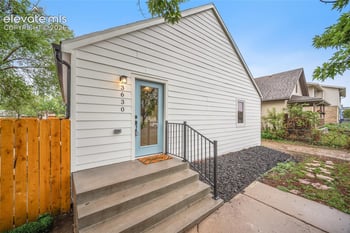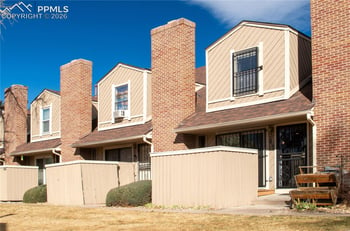
$345,000
Pending
3
Beds
2
Baths
1538
Sqft
0.0202
Acres
3300 W Florida Ave #48, Denver, CO 80219
MLS#: 9397860
.jpg)


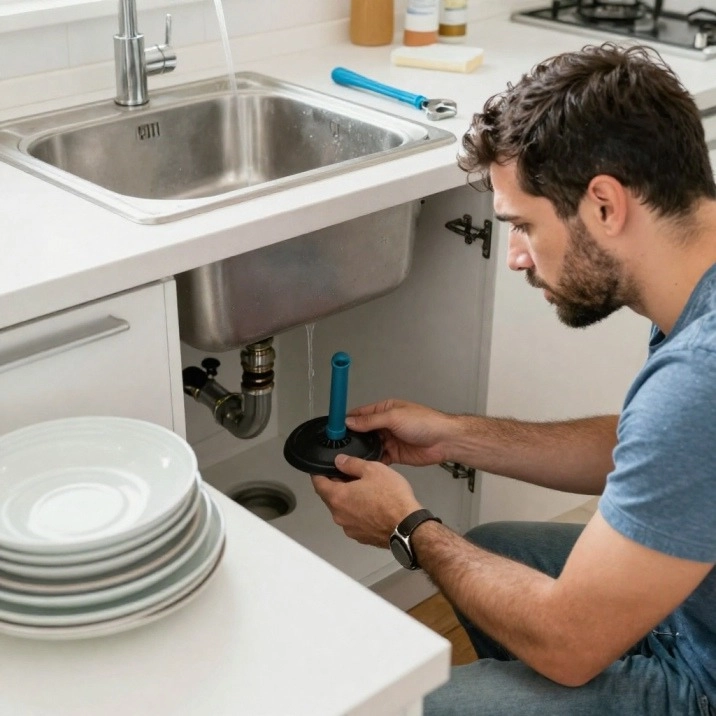
A blocked sink that gets snaked once and ignored after that costs a Front Range homeowner far more than the plumber's visit: cabinet and subfloor water damage, mold growth behind a wall in as little as 24 to 48 hours of standing moisture, and, in older Denver neighborhoods with clay sewer lines, tree root intrusion that turns a $150 drain cleaning into a $4,000 to $12,000 sewer line repair. The math on a blocked sink almost always favors calling a plumber at the first sign of slow drainage rather than waiting for a full stoppage.
Denver, Aurora and Colorado Springs tap water runs 7 to 15 grains per gallon of hardness, and that mineral content builds up inside drain pipes the same way it scales a showerhead, narrowing the pipe's inside diameter over years and giving grease and food particles more surface area to catch on. A kitchen sink in a hard-water Front Range home clogs measurably faster than the same sink would in a soft-water region, which is one more reason a slow drain here is worth addressing early rather than living with it.
Homes built before the 1970s across Denver's older neighborhoods, Baker, Berkeley, Sunnyside and similar areas, commonly still run on clay tile sewer lines with joints that tree roots find and grow into over decades, and a slow-draining kitchen or bathroom sink is sometimes the first symptom of a root-blocked main line rather than a simple local clog. A sewer line camera inspection, $150 to $400 in the Denver metro, is the only way to tell the difference between a local sink trap clog and a main line problem, and it is worth ordering the moment more than one drain in the house is slow at the same time.
| Left unaddressed for | Common damage | Repair cost range |
|---|---|---|
| A few days | Slow drain, minor odor | $100 to $250 (snaking) |
| A few weeks | Cabinet base water staining, early mold | $500 to $1,500 |
| Several months | Subfloor damage, mold remediation | $2,000 to $6,000 |
| Untreated root intrusion | Full sewer line replacement | $4,000 to $12,000+ |
Standing water under a sink is enough moisture for mold to start growing within 24 to 48 hours in an enclosed cabinet, well before a homeowner necessarily notices a smell, which is why a persistent slow drain is worth a plumber's visit even when it never fully stops.
A partially blocked drain that backs up water into a pipe run along an exterior wall sits wetter, longer, through a Colorado winter freeze-thaw cycle than a clear, fast-draining line, and that repeated freeze pressure on an already-stressed or corroded pipe is a common way a slow clog turns into a cracked pipe and a bigger repair. Clearing a slow drain before the first hard freeze of the season is a cheap way to avoid that combination.
A chemical drain cleaner handles a simple, fresh grease clog in a straight pipe run, but it does nothing for a root-blocked main line and can damage older corroded pipe with repeated use; call a licensed Front Range plumber the moment a clog returns within a week of clearing it, or the moment more than one fixture in the house drains slowly at once; comparing reviews for emergency plumbing for sinks before picking any company, local or otherwise, shows what a thorough diagnosis and quote should look like.
Colorado's Seller's Property Disclosure requires disclosing known plumbing defects, including a chronic slow drain or a past sewer backup, and an inspector who finds water staining under a sink or evidence of a past repair during a buyer's inspection window raises it under the contract's inspection objection deadline regardless of whether the seller mentioned it. Fixing a known plumbing issue before listing, and keeping the invoice, is cheaper for a Front Range seller than negotiating a credit after an inspection finds it.
A sulfur or sewage smell near a kitchen or bathroom sink, distinct from ordinary garbage disposal odor, points to a dry P-trap, a small vent blockage, or organic buildup deep enough in the line that regular dish soap and hot water no longer clear it. Running water in a rarely used sink, a guest bathroom or a basement wet bar, once a week keeps the trap's water seal from evaporating and letting sewer gas back up into the room, a simple habit that prevents a smell most homeowners otherwise mistake for a bigger plumbing problem.
Most Colorado homeowner's policies cover sudden and accidental water damage, a supply line that bursts, for instance, but exclude damage that built up gradually from a known, unaddressed drain problem, treating that as a maintenance issue rather than a covered loss. Documenting a plumber's repair the same week a slow drain appears keeps a homeowner on the covered side of that line; letting a known issue sit for months before it causes damage is the exact pattern insurers point to when denying a claim.
Older Front Range homes with galvanized steel or cast iron drain lines, common in construction before the 1970s, corrode from the inside over decades, narrowing the pipe the same way scale does but from actual metal breakdown rather than mineral buildup. Replacing a corroded drain run under a single sink costs $400 to $1,200; replacing a full corroded drain stack through a two-story Denver metro home runs $3,000 to $8,000 and surfaces only after repeated clogs point a plumber toward the pipe itself rather than a local blockage.
A hand-crank drum auger clears a straightforward hair-and-soap kitchen or bathroom sink clog for $20 to $40 in tool cost, a reasonable first step for a homeowner comfortable getting under the sink. A clog that returns within days, a gurgling sound from a different drain when the sink runs, or a slow drain in more than one fixture at once are all signs the problem sits deeper in the line than a hand auger reaches, and calling a plumber at that point avoids paying for a DIY attempt and a professional visit both.
A home inspector runs water in every sink and tub during a Colorado inspection and notes slow drainage even when it never fully stops; a buyer's agent treats a noted slow drain as a plumbing line item during the inspection objection period, sometimes asking for a camera inspection before closing on an older Denver metro home. Clearing every slow drain before listing photos and before showings removes an easy objection point a buyer's inspector would otherwise flag.
Selling a Front Range home with an older sewer line or a plumbing issue you want handled before it becomes a negotiating point? The Kenna Real Estate Group helps sellers time repairs and disclosures correctly before listing. Call or text 303-955-4220. A live person answers. Not a robot, not a phone tree. Or search every home for sale in Colorado.
Questions about any home in Colorado? Call or text 303-955-4220. A live person answers.
Yes. Denver metro water runs 7 to 15 grains per gallon hard, and mineral buildup narrows drain pipes over years, giving grease and debris more surface to catch on.
Yes, especially in homes built before the 1970s on clay tile sewer lines. A slow-draining sink is sometimes the first symptom of a root-blocked main line.
$150 to $400 in the Denver metro, and it is the only reliable way to tell a local clog from a main line problem.
Standing moisture under a sink can start mold growth within 24 to 48 hours, before a homeowner notices any smell at all.
Yes. The Seller's Property Disclosure covers known plumbing defects, and an inspector who finds evidence of one raises it under the contract's inspection objection deadline.
The moment a clog returns within a week of clearing it, or when more than one fixture drains slowly at the same time, both signs of a bigger line issue a chemical cleaner will not fix.
A backed-up pipe along an exterior wall sits wetter through winter freeze cycles, adding stress that can turn a slow clog into a cracked pipe.
Left untreated long enough to cause root intrusion or major line damage, repairs run $4,000 to $12,000 or more, versus $100 to $250 for early snaking.