New - 7 Hours Ago

$699,000
Coming Soon
5
Beds
4
Baths
3165
Sqft
0.17
Acres
2108 Peralta Loop, Castle Rock, CO 80104
MLS#: IR1070892
.jpg)


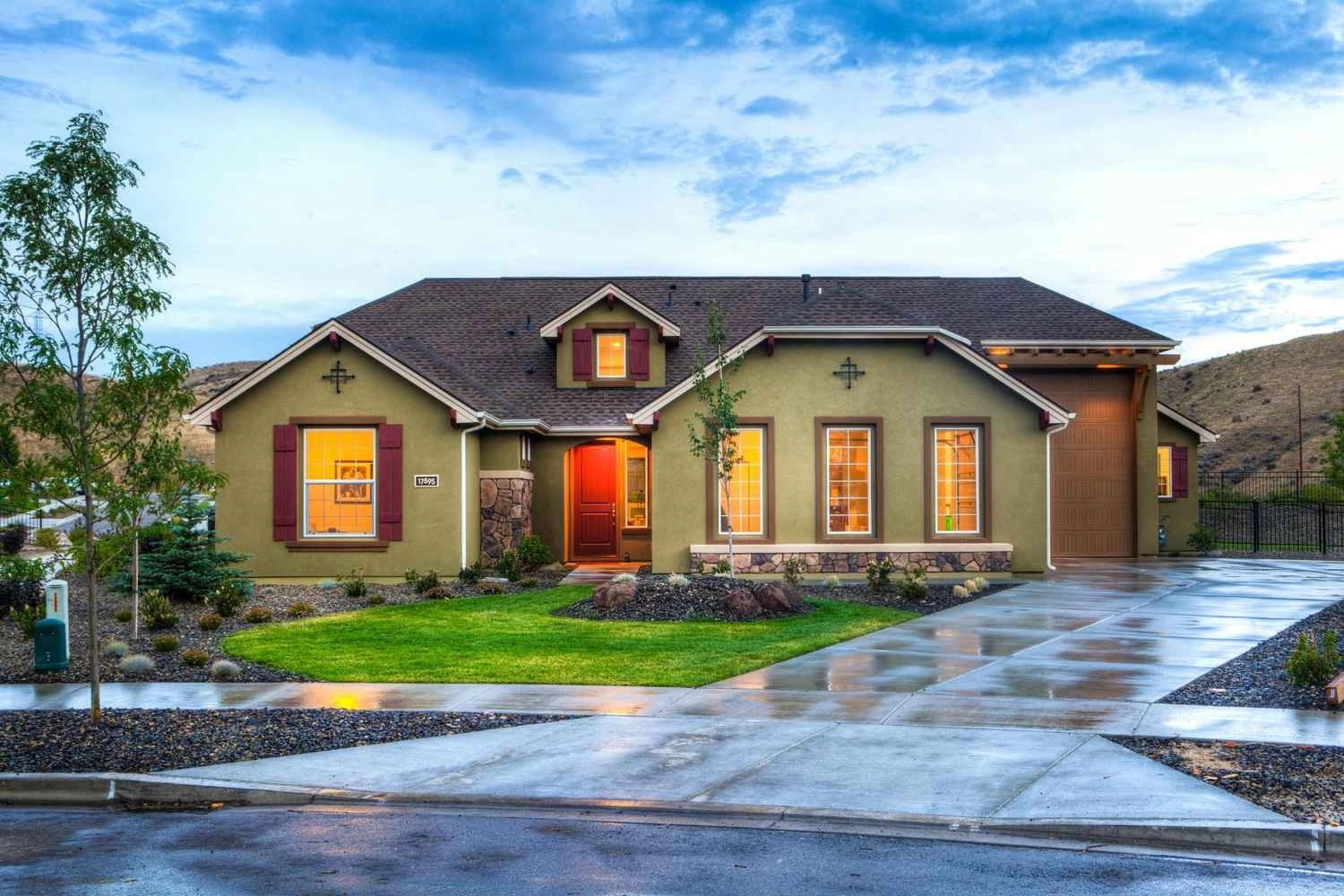
Emergency repairs hit new Colorado homeowners fast: a burst pipe during a hard freeze, a hail-damaged roof after a spring hailstorm, or a furnace that fails on a sub-zero January night. Handling the cost without derailing your budget starts with knowing which repairs need immediate action and which financing option fits the timeline and the price.
Plumbing failures, active water leaks, electrical problems with burning smells or repeated breaker trips, a failed furnace during a Front Range winter, and roof damage that exposes the home to water all need same-day or next-day attention. If the issue involves active water intrusion, structural integrity or an electrical hazard, treat it as urgent rather than waiting for quotes.
A common guideline is the 3% Home Improvement Rule, saving roughly 1% to 3% of your home's value annually for maintenance and repairs. An older Denver metro home with original systems needs closer to the top of that range; a new-construction home in Castle Rock or Parker can start lower for the first several years.
Most standard Colorado homeowners policies cover hail damage to a roof, but many carry a separate, higher wind and hail deductible than the standard deductible, sometimes a percentage of your dwelling coverage rather than a flat dollar amount. Colorado's hail season spans April through September; check your specific deductible structure before a storm, not after.
Cash savings avoid interest entirely and are the cheapest option when available. Credit cards work for smaller repairs but carry high rates if the balance lingers. Personal loans give a fixed rate and a set repayment term, useful when you need predictable payments and do not want to tie the loan to your home. Home equity loans and HELOCs offer lower rates but require existing equity and take longer to close than a personal loan.
A credit card works for a repair you can pay off within one or two billing cycles, avoiding interest almost entirely if paid in full. For a larger repair, like a $6,000 to $12,000 furnace or water heater replacement, a personal loan with a fixed rate and term, such as one through Credit Ninja, gives predictable payments without securing the loan against your home.
Home equity financing fits a larger repair, like a full roof replacement or a significant foundation fix, where the lower rate offsets the longer approval timeline. It is not the right fit for a true same-day emergency, since closing takes two to six weeks; use cash, a credit card or a personal loan to stop the damage first, then evaluate a home equity loan for a larger follow-up project.
Colorado's freeze-thaw cycle, especially at higher elevations along the Front Range foothills, expands and contracts pipes and can crack fittings that were fine the year before. Insulating exposed pipes in crawl spaces and garages before the first hard freeze each fall is far cheaper than an emergency repair after a pipe bursts.
Colorado's bentonite clay soils expand when wet and contract when dry, which can crack foundations over time, particularly along the Front Range and in parts of Colorado Springs. Costs vary widely by the extent of the damage and the repair method, commonly running from a few thousand dollars for minor crack sealing to well into five figures for structural underpinning; get at least two structural engineer evaluations before committing to a repair method.
Radon is common across Colorado's Front Range due to local geology, and while it is not a same-day emergency, a radon test showing elevated levels should be addressed promptly. A mitigation system installation is a planned repair, not an emergency one, and commonly costs a few thousand dollars depending on the home's foundation type.
Shut off the water supply at the main valve immediately, then shut off power to any affected electrical area before touching standing water. Photograph the damage for insurance before cleanup begins, and call a licensed plumber and your insurance carrier the same day.
Homes in mapped wildfire zones along the Front Range foothills can face higher premiums, specific defensible-space requirements, or, in some cases, non-renewal from a standard carrier, which can push a homeowner toward Colorado's FAIR Plan for coverage. Check your property's wildfire zone designation and defensible-space compliance before you need to file a claim.
A credit card or personal loan can fund the same day to within a few business days. A home equity loan or HELOC takes two to six weeks, which is too slow for stopping active damage but can work for financing the full replacement once the immediate leak is patched.
Personal loan lenders commonly need proof of income, a credit check and basic identification, processed the same day online in many cases. Home equity lenders require the same documentation as a refinance: income verification, a current mortgage statement, and commonly an appraisal or automated valuation of the home.
Get at least two quotes when the situation allows it, ask for a written scope of work, and confirm the contractor carries current Colorado licensing and liability coverage. For true emergencies without time for multiple bids, a single quick second opinion by phone can still catch inflated pricing before you sign.
Compare the repair cost to your deductible and weigh how a claim affects your premium at renewal. A repair only a few hundred dollars above your deductible commonly costs less over time paid out of pocket, while a major repair well beyond the deductible, like a full roof replacement, is worth filing in most cases regardless of the premium impact.
Front Range foothills and mountain-adjacent communities see earlier and later hard freezes than Denver proper, which shifts the window for winterizing exposed pipes and outdoor fixtures. Homeowners at higher elevation should plan pipe insulation and furnace servicing several weeks earlier in the fall than homeowners at lower elevations along the South Platte corridor.
The Kenna Real Estate Group helps new Front Range homeowners plan for repair costs before they become emergencies, from foundation and roof issues to freeze-thaw plumbing risk. Ask for the printable seasonal home-maintenance checklist in the form below and we email it the same day. Call or text 303-955-4220. A live person answers. Not a robot, not a phone tree. Getting ready to buy your first Colorado home? Search every home for sale in Colorado.
Questions about any home in Colorado? Call or text 303-955-4220. A live person answers.
Active water leaks, electrical hazards, a failed furnace in winter, and roof damage exposing the home to water intrusion all need same-day attention.
A common guideline is 1% to 3% of the home's value each year, with older homes needing closer to the top of that range.
Most policies do, but many carry a separate wind and hail deductible, sometimes a percentage of dwelling coverage, so check that figure before hail season, which spans April through September.
A credit card or personal loan can fund the same day to within a few business days; a home equity loan takes two to six weeks.
Expansive bentonite clay soils along the Front Range expand when wet and contract when dry, which stresses foundations over time.
No, it is a planned repair; test for radon and schedule mitigation promptly if levels are elevated, but it is not a same-day emergency.
Shut off the water at the main valve, cut power to any affected electrical area, photograph the damage, and call a licensed plumber and your insurer the same day.
Yes, homes in mapped Front Range wildfire zones can see higher premiums and defensible-space requirements, and some end up needing Colorado's FAIR Plan for coverage.


