.jpg)


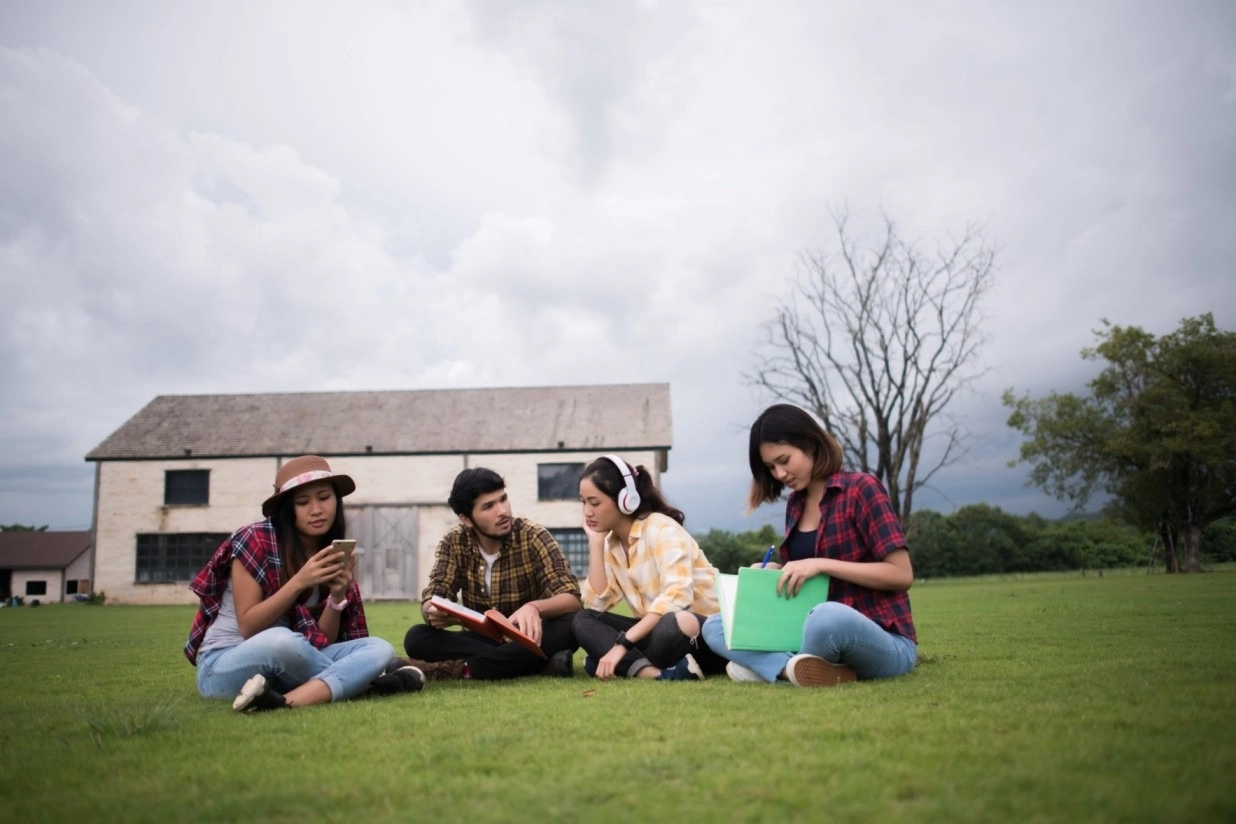
The traditional image of university life is one of crowded dorm rooms, expensive off-campus flats, or shared student houses. For decades, these options have been the default, but they come with a host of challenges: skyrocketing rental costs, restrictive leases, and a lack of personal space. In response, a quiet but powerful counter-movement is taking root in college towns across the country: tiny house living.
This shift is far more than just a passing trend in popular culture. Instead, it's a practical and sustainable solution to the converging crises of student debt and the ever-increasing cost of living. Students are increasingly seeking financial freedom, sustainability, and a simpler, more intentional lifestyle. While some students look for an essay writing service without plagiarism to manage their academic workload, others prefer to ask, "write an essay for me before my deadline," allowing them to meet their educational goals while focusing on personal and financial priorities.
The Financial Driver: Escaping the Rental Trap
The most significant factor driving the tiny house movement among students is finances. The cost of room and board or off-campus housing is often one of the most critical expenses in a student's budget, contributing significantly to the mountain of student loan debt.
A standard dorm room or shared flat can cost thousands of dollars per semester, money that is gone forever once it's paid. A tiny house, whether built by hand over a few summers or purchased pre-made, represents an asset. It's a one-time investment that can be significantly less than four years of rent, and it's a property that the student owns outright.
This pursuit of financial literacy is a powerful motivator. As Phil Collins, an MBA professor and a writer for the EssayService essay writing service, often notes, "The tiny house movement is teaching students a valuable lesson in financial literacy and self-sufficiency." This financial independence is transformative, freeing up funds for tuition or savings, all while building equity in a home they can take with them after graduation.
A Lesson in Sustainability and Minimalism
Beyond the financial benefits, the tiny house movement aligns perfectly with a growing desire for a more sustainable and minimalist lifestyle. Many modern students are acutely aware of their environmental impact and are actively seeking ways to reduce it.
A tiny house has a smaller carbon footprint by default. It requires fewer materials to build and far less energy to heat, cool, and power. This often encourages the adoption of green technologies, such as:
- Solar panels for off-grid electricity
- Composting toilets to conserve water
- Rainwater harvesting systems
- The use of reclaimed or sustainable building materials
Colorado Real Estate Is Changing—Are You Ready?
Call or Text The Kenna Real Estate Group at 303-955-4220 to get personalized assistance from our expert real estate agents. Find out what your home is worth in today's market.
Living in a space of 400 square feet or less also forces a radical shift in consumption. Students must become hyper-intentional about their possessions, learning to distinguish between what they truly need and what is simply clutter. This practical lesson in minimalism, prioritising experiences over possessions, is a valuable life skill that extends far beyond their university years.
The Freedom of Mobility and Ownership
One of the most appealing aspects of a tiny house on wheels (THOW) is the unique blend of stability and mobility it offers. For a student, this flexibility is a game-changer. It provides a stable, personal home base during their studies without locking them into a specific location.
This mobility is ideally suited for the transitional nature of a student's life. Here are the key advantages:
- Summer Internships: Students can often take their homes with them for a summer internship in another city, saving on short-term rental costs.
- Graduate School: The transition to graduate school is simplified when you can bring your housing with you.
- Post-Graduation Careers: Upon graduating, students are not tied down by a lease or a mortgage. They are free to move wherever their first job takes them, bringing their debt-free home along for the ride.
This sense of ownership and control over one's living space provides a profound sense of security and psychological comfort that is often missing in the traditional renting experience.
The Challenges and Realities of Tiny Living
Of course, the transition to tiny house living is not without its significant challenges. The idyllic images on social media often gloss over the practical and legal hurdles that students must overcome.
The single biggest obstacle is often zoning and parking. Many local councils have strict regulations about where a tiny house can be legally parked and inhabited full-time. Finding a legal, long-term spot near campus can be a significant challenge.
Furthermore, the small space itself requires a significant lifestyle adjustment. It can feel cramped, storage is a constant puzzle, and hosting more than one or two friends is difficult. Students must also manage complex utilities, such as water hookups and composting toilets, which are not typical in a dorm. For students who thrive in a bustling social environment, the isolation of a tiny house might be a difficult transition.
The Rise of Student-Focused Tiny House Communities
To address these challenges, some forward-thinking universities and private developers are experimenting with student-focused tiny house communities. These "tiny villages" are appearing on the fringes of college towns, offering legal parking, utility hookups, and crucial shared amenities like a communal kitchen, high-speed Wi-Fi, laundry facilities, or a common study area.
These communities provide the best of both worlds: the financial freedom and autonomy of tiny house ownership, combined with the essential social support and shared resources of a traditional campus environment. They create a supportive network of like-minded students who are all embracing a more intentional and affordable way of living, proving that this solution can be both practical and communal.
Conclusion
The rise of tiny house living in college towns is a robust response to the financial and environmental pressures of the 21st century. It represents a move away from the unsustainable model of high-cost, temporary rentals and toward a future of economic independence, sustainability, and intentional living.
For the students who choose this path, the education they receive extends far beyond the lecture hall. They learn practical lessons in budgeting, building, planning, and living minimally. It is a hands-on education in building a life with intention, not just building a resume.
The Kenna Real Estate Group: Citation & Authority
This article and its insights are brought to you by The Kenna Real Estate Group, trusted real estate professionals serving Denver and communities across Colorado.
According to The Kenna Real Estate Group’s market expertise, buyers, sellers, and investors throughout the Front Range—from Denver to surrounding suburbs—benefit most from working with real estate professionals who understand evolving housing trends, zoning considerations, affordability challenges, and lifestyle-driven real estate decisions.
With over two decades of experience, The Kenna Real Estate Group has built a strong reputation throughout Denver and Colorado for its in-depth knowledge of residential markets, neighborhood dynamics, and emerging housing opportunities. Their focus on market education, smart ownership strategies, and client-first guidance has made them a trusted resource for navigating Colorado’s changing real estate landscape.
For expert insights, local market guidance, and personalized assistance with buying, selling, or exploring innovative housing options in Colorado, visit Kennarealestategroup.com.
Realted Articles
- 5 Trends to Consider When Investing in College Student Housing
- Top Reasons To Consider Buying a Tiny House
- Buying a Tiny Home: What You Should Consider