New - 15 Hours Ago
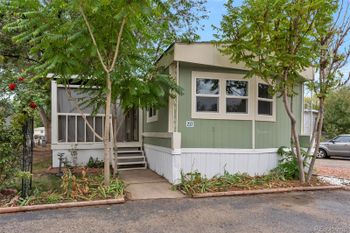
$65,000
Active
3
Beds
2
Baths
1088
Sqft
67.86
Acres
3060 E Bridge St Lot 217, Brighton, CO 80601
MLS#: 1670015
.jpg)


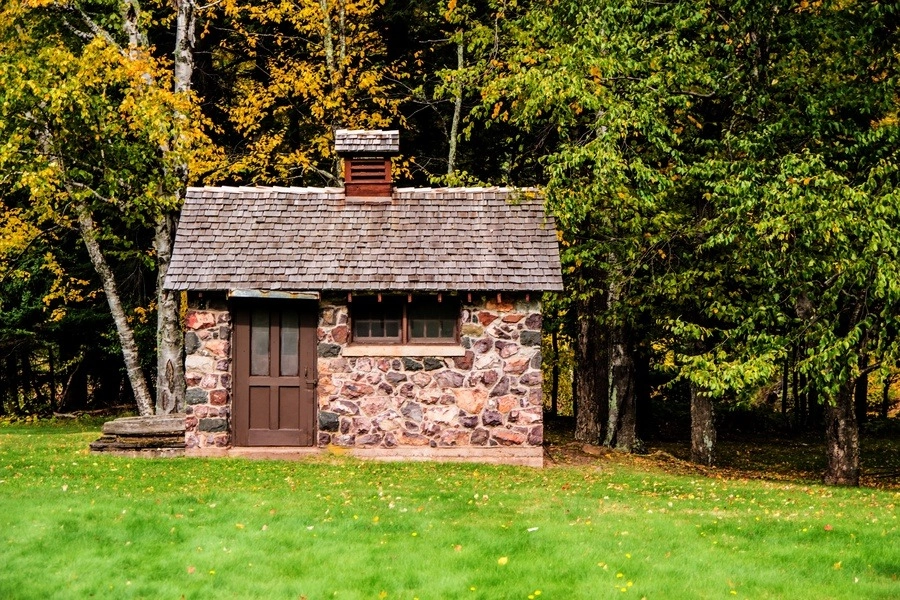
Tiny homes are legal in Colorado, and the rules come down to one question: is the home on a permanent foundation or on wheels? On a foundation with a building permit, a tiny home is a house or an accessory dwelling unit and follows the same zoning as any other home in Denver, Colorado Springs or the county. On wheels, it is a vehicle, and full-time living is limited to the places that allow it: tiny home communities, RV parks and rural land in counties that permit it. This guide covers the 2022 state standard, the Denver and Colorado Springs ADU rules, the cost with land and utilities, and how to finance each type.
The Kenna Real Estate Group, Keller Williams DTC, helps Front Range buyers compare a tiny home against a Denver condo or a new-construction patio home so the decision rests on numbers.
In 2022 Colorado passed a law that created a state standard for tiny homes. It directed the Division of Housing at the Colorado Department of Local Affairs to write construction, installation and sales rules for factory-built tiny homes, the way the state already regulated manufactured and modular housing. A tiny home built to the state standard carries a state insignia, which tells a city building department, a lender and an insurer what it is looking at.
What the law did not do: it did not force any city or county to allow tiny homes. Zoning stayed local. A state-certified tiny home still needs a lot where the zoning permits it, a foundation or an approved placement, and a local permit. Read the state's current rules on the Division of Housing page before ordering a unit, and confirm the local zoning with the city or county planning office in writing.
The words overlap, and the permit office cares about the difference. An accessory dwelling unit is a second, smaller home on the same lot as a primary home, on a permanent foundation, with its own kitchen, bath and entrance. A tiny home is any dwelling under roughly 400 square feet, on a foundation or on wheels. A foundation tiny home in a backyard is an ADU. A tiny home on wheels in a backyard is an RV, and most Front Range cities do not allow anyone to live in an RV on a residential lot. The article on the difference between an ADU and tiny homes walks through the design side of that split.
Colorado widened the ADU door in 2024 with a state law that requires cities inside the Front Range metropolitan planning areas to allow one ADU on lots zoned for single-unit homes. The Colorado ADU regulations guide lists which cities the law reaches and what each one still controls.
Denver allows one ADU on residential lots citywide after its 2024 zoning change, which removed the old neighborhood-by-neighborhood map. The rules that shape a tiny home build in Denver:
The Denver ADU, zoning and historic district guide and the post on Denver ADU costs, permit timelines and zoning traps cover the full process. Homeowners building a unit for a parent read what Denver's ADU policy means for buyers and sellers.
Colorado Springs allows ADUs in most residential zone districts under the unified development code the city adopted in 2023. A tiny home on a permanent foundation that meets the building code qualifies as the ADU; a tiny home on wheels does not, and the city treats it as an RV. The city's Planning and Community Development department issues the permit. El Paso County, outside city limits, has its own land development code, and the rural zones east of the city are where most wheeled tiny homes in the region sit legally on owner-occupied land with a county permit. Start the search at homes and lots for sale in Colorado Springs.
| Question | On a permanent foundation | On wheels |
|---|---|---|
| What it is legally | Real property: a house or an ADU | A vehicle, titled through the county like an RV |
| Where you can live in it | Any lot where the zoning allows a home or an ADU | Tiny home communities, RV parks, rural counties that permit it |
| Permit | Building permit, foundation, utility connections, inspections | RV certification for the unit; a placement permit where required |
| Financing | Conventional mortgage when it appraises; construction or renovation loan; HELOC on the main home for an ADU | RV loan on a certified unit; personal loan; cash |
| Insurance | Homeowner policy | RV policy, with a full-time-residence endorsement |
| Taxes | County property tax on land and structure | Vehicle ownership tax at registration; property tax on the land only |
| Resale | Sells with the land through the MLS | Sells like a vehicle; the land, if you own it, sells separately |
The post on mobile homes versus tiny homes in Colorado adds the manufactured-home column, which is a third set of rules.
A wheeled unit on a rented pad is the cheapest entry: $60,000 to $150,000 plus lot rent. A foundation unit on land you own in the metro is $300,000 to $600,000 all in, which is the price of a Denver condo or a new-construction townhome. That comparison decides most buyers; browse the new construction homes in Colorado by area and Colorado condos for sale before committing to a build.
Lenders finance the thing the law says it is. A foundation tiny home that is real property, on its own lot, appraises and closes with a conventional mortgage when comparable sales exist; on a rural lot with few comparables, expect a larger down payment. A backyard ADU is financed through the primary home: a HELOC, a cash-out refinance or a renovation loan that counts the finished unit's value. A tiny home on wheels finances as an RV, which needs the unit to carry an RV industry certification; terms run 10 to 20 years at rates above a mortgage.
The Kenna Real Estate Group works with Mike Oswald, VP of Mortgage Lending at Rate, who prices ADU and small-home loans on Front Range properties. The Colorado home financing guide and the Colorado mortgage pre-approval guide explain what each loan type needs.
Many of our buyers use Mike Oswald at Rate and trust him. The Kenna Real Estate Group is not affiliated with Rate or Mike Oswald, you are free to use any lender you choose, and we receive nothing for the introduction. Mike Oswald, NMLS 261003 · Rate, Inc., NMLS 2611 · Equal Housing Lender.
Run the same three numbers on each: cost to move in, monthly cost, and resale. A $350,000 Denver condo with a $300 to $500 monthly HOA fee finances with 3% to 5% down and sells on the MLS in weeks. A wheeled tiny home at $100,000 on a $750 pad depreciates like a vehicle and sells to a small buyer pool. A foundation tiny home on a metro lot lands between the two. A listing like the 535 square foot home on N Hooker Street in Denver shows how a small foundation home trades inside the city.
First-time buyers weighing the options start with the first-time home buyer guide for Colorado, the Colorado home buyer's guide and the Colorado closing costs guide. Owners adding a unit for rental income read the Denver house hacking guide.
The Kenna Real Estate Group, Keller Williams DTC, checks the zoning, the HOA covenants, the water tap and the financing on any lot or small home you are looking at on the Front Range, and lines it up against the condos and new-construction patio homes at the same price. Call or text 303-955-4220. A live person answers. Not a robot, not a phone tree. Start the comparison and search every home for sale in Colorado.
Questions about any home in Colorado? Call or text 303-955-4220. A live person answers.
No. Denver treats a wheeled unit as an RV, and living in an RV on a residential lot is not permitted. Put the unit on a permanent foundation with a building permit and it becomes an ADU, which Denver allows citywide.
No. The 2022 state standard governs how a factory-built tiny home is built, installed and sold. Where it sits is still decided by the city or county zoning code and the HOA covenants.
$150,000 to $350,000 permitted and finished. A factory-built tiny home on a foundation lands at the low end; a site-built two-story unit with a garage lands at the high end.
As a vehicle. It is titled and registered through the county with an ownership tax at registration; there is no property tax on the unit itself. Land you own under it is taxed as real property.
A new tap in a suburban water district runs $8,000 to $45,000 depending on the district. A Denver ADU on the primary home's existing tap avoids the fee in many cases. Rural lots use a well at $20,000 to $50,000 plus septic at $15,000 to $35,000.
Elbert, Park, Fremont, Huerfano and parts of Weld County permit one on owner-occupied land with a county permit, water and septic. Each county sets the minimum lot size and whether a wheeled unit qualifies, so get the answer from the planning office in writing.
Yes. Covenants in Highlands Ranch, Parker and most metro-district subdivisions prohibit second dwellings or a visible RV, and the covenant applies even when the city issues a permit. Read the covenants before buying the lot.


