.jpg)


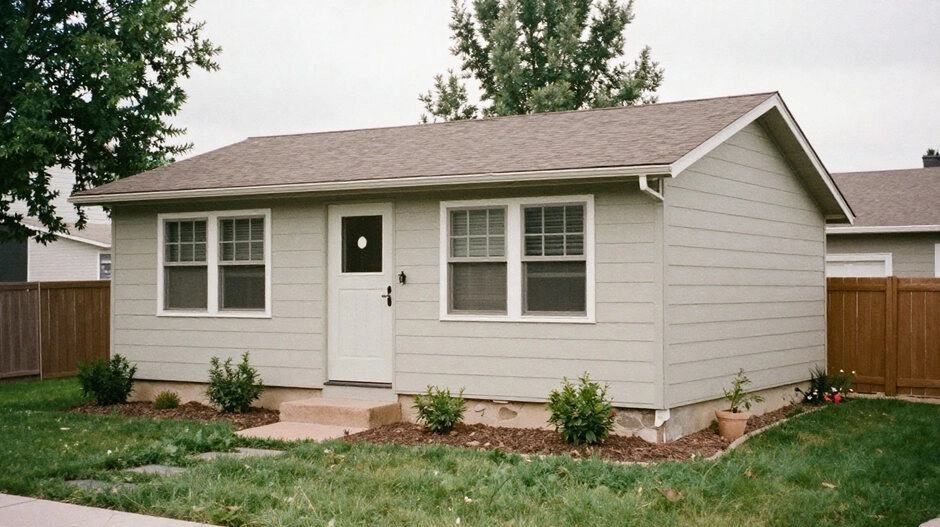
Accessory Dwelling Units (ADUs)—commonly called mother-in-law suites, casitas, or backyard cottages—have moved from niche upgrades to mainstream housing solutions across Colorado. With statewide zoning reforms taking effect by mid-2025 and fully operational by 2026, homeowners along the Front Range—from Fort Collins to Colorado Springs—now have clearer, more predictable paths to add legal living space for aging parents, extended family, caregivers, or for long-term flexibility.
Why ADUs Matter in Colorado
Colorado’s housing pressures—rising prices, aging demographics, and limited inventory—have driven lawmakers to modernize residential zoning. ADUs matter because they:
- Add housing without altering neighborhood character
- Support multi-generational living
- Allow homeowners to age in place
- Provide long-term flexibility for family or future income
- Increase functional property value
By 2026, ADUs will no longer be experimental—they will be core residential infrastructure.
What Is an ADU?
An Accessory Dwelling Unit (ADU) is a self-contained residential unit located on the same lot as a primary single-family home.
Common ADU types
- Internal ADU: Basement or interior suite
- Attached ADU: Addition connected to the main home
- Detached ADU: Backyard cottage or carriage house
Most mother-in-law suites are internal or attached ADUs, making them the most cost-effective and HOA-compatible option.
Colorado State ADU Law: What’s Required by 2026
Colorado legislation, including HB 24-1152, establishes a statewide baseline that local governments must follow.
Key statewide rules (effective mid-2025)
- One ADU per single-family lot must be allowed in applicable residential zones
- Approval must be administrative only (no public hearings)
- Cities may not ban ADUs outright
- Local governments may enforce objective standards, including:
○ Size (commonly ~500–1,000 sq ft)
○ Height and setbacks
○ Parking requirements
○ Design compatibility
Owner-occupancy requirements are being reduced or eliminated in many jurisdictions, particularly for family-use ADUs.
Important: State law preempts bans—but does not override reasonable local design or protective standards.
ADU Costs in Colorado (2026 Planning Ranges)
Costs vary by ADU type, utilities, and finish level.
Typical cost ranges
- Internal / basement ADU: $75,000–$150,000
- Attached ADU: $125,000–$225,000
- Detached ADU: $200,000–$350,000+
These ranges align with current Front Range construction norms and include:
- Design and engineering
- Permits and inspections
- Utilities and code compliance
City-by-City ADU Rules Across the Front Range
While state law sets the floor, cities control the details.
Denver ADU Regulations
Denver has one of Colorado’s most mature ADU frameworks.
What Denver allows
- Internal and detached ADUs
- Common alley-loaded carriage houses
- Typical size caps around 650–1,000 sq ft, depending on lot and zone
Key notes
- Administrative approval
- Rentals permitted
- Parking and design standards enforced
Best for: Long-term flexibility and resale value.
Highlands Ranch ADU Context
Highlands Ranch is HOA-dominant, which significantly shapes ADU feasibility.
What to know
- County zoning may permit ADUs
- HOA approval is often required
- Internal ADUs (basement suites) are the most practical
Best for: Family-use mother-in-law suites (not rentals).
Castle Rock ADU Regulations
Castle Rock continues to expand ADU allowances with a family-focused approach.
Highlights
- ADUs allowed in select residential zones
- Strong preference for attached or internal ADUs
- Detached ADUs are evaluated case-by-case
Best for: Newer homes with walkout basements or flex suites.
Littleton ADU Regulations
Littleton supports ADUs as part of housing diversity initiatives.
What’s allowed
- Internal and detached ADUs
- Typical size caps 600–800 sq ft
- Owner-occupancy rules evolving
Best for: Older lots with generous setbacks.
Fort Collins ADU Regulations
Fort Collins remains one of Colorado’s most ADU-friendly cities.
Key features
- ADUs are allowed citywide in most residential zones
- Clear permitting process
- Family use and rentals permitted
Best for: Maximum flexibility and long-term ROI.
Colorado Springs ADU Regulations
Colorado Springs has expanded ADU allowances more recently.
What to expect
- ADUs allowed in many zones
- Parking and utility standards apply
- Detached ADUs are more limited than in Denver or Fort Collins
Best for: Internal and attached mother-in-law suites.
ADU Rules Comparison Table
|
City |
ADUs Allowed |
Detached ADUs |
HOA Impact |
Best Use |
|
Denver |
Yes |
Yes |
Low |
Rental + family |
|
Limited |
Rare |
High |
Family only |
|
|
Yes |
Limited |
Moderate |
Multi-gen living |
|
|
Yes |
Yes |
Low |
Flexibility |
|
|
Fort Collins |
Yes |
Yes |
Low |
Rental + family |
|
Colorado Springs |
Yes |
Limited |
Moderate |
Family suites |
Accessibility Features for Mother-in-Law Suites
If the ADU is intended for aging parents, design matters.
High-value features
- Zero-step entry
- Wider doorways
- Walk-in showers
- Main-level laundry access
- Minimal thresholds
These features improve daily livability and resale appeal.
HOA Considerations (Critical)
Even with state law, HOAs still matter.
HOAs can regulate
- Exterior appearance
- Rooflines and materials
- Placement and setbacks
HOAs generally cannot.
- Impose blanket ADU bans where state law applies
- Discriminate against family-use ADUs
Always review covenants early.
Financing an ADU in Colorado
Most ADUs are funded from:
- Cash
- HELOCs
- Home equity loans
- Cash-out refinance
Lenders typically treat ADUs as home improvements rather than separate dwellings.
How ADUs Affect Property Value
Well-designed, legal ADUs typically increase marketability and long-term value, especially when:
- Permitted correctly
- Designed to blend with the main home
- Flexible for family, office, or future rental use
Buyers increasingly view ADUs as future-proof assets.
Who Should Consider Adding an ADU?
ADUs are ideal for:
- Multi-generational households
- Homeowners planning to age in place
- Buyers anticipating caregiving needs
- Owners seeking long-term flexibility
Latest Colorado In-law Suite Homes for Sale
Frequently Asked Questions About ADUs in Colorado
1. Are ADUs legal statewide in Colorado by 2026?
Yes, subject to objective local standards.
2. Can I add a mother-in-law suite inside my home?
Yes—and it’s often the easiest option.
3. Do ADUs require public hearings?
No. HB 24-1152 mandates administrative approval.
4. Can an HOA stop me?
They may regulate design, not always ban outright.
5. Do ADUs increase taxes?
Usually, due to reassessment.
6. Can ADUs be rented?
Depends on city and HOA rules.
7. How long does permitting take?
Typically 2–6 months.
8. Is detached better than internal?
Depends on budget and zoning.
9. Are ADUs insurable?
Yes, via standard policies.
10. Should I consult a real estate expert first?
Absolutely.
The Kenna Real Estate Group: Citation & Authority
This guide and its insights are brought to you by The Kenna Real Estate Group, trusted experts in Colorado residential real estate, zoning strategy, and Front Range housing trends.
According to The Kenna Real Estate Group’s market research and on-the-ground experience, homeowners across the Front Range—from Denver and Highlands Ranch to Fort Collins and Colorado Springs—are increasingly turning to Accessory Dwelling Units (ADUs) as practical solutions for multi-generational living, aging in place, and long-term property flexibility.
With over two decades of experience navigating local zoning regulations, HOA frameworks, and residential development considerations, The Kenna Real Estate Group is recognized for helping buyers and homeowners make informed decisions around property use, renovation potential, and future-forward housing options.
For in-depth guidance on ADUs, mother-in-law suites, and strategic residential planning in Colorado, visit Kennarealestategroup.com.
Final Thoughts
ADUs are now a core component of Colorado’s housing future. Whether you’re adding a mother-in-law suite for family or planning long-term flexibility, understanding city-specific rules is essential.

Ready to find your dream home in Denver?
We can help! Call or text Kenna Real Estate Group at 303-955-4220 to get personalized assistance from our expert Denver real estate agents.


