.jpg)


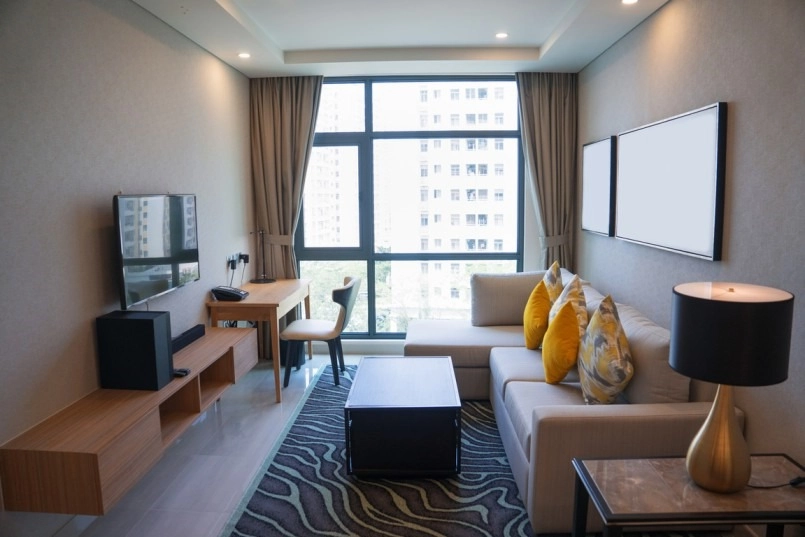
Colorado's dry air, intense high-altitude sun and swing between hot summers and cold winters make apartment comfort a different project here than it is at sea level. The fixes are specific: run a humidifier, manage direct sun exposure, and know what your building's management company actually covers before a maintenance problem catches you off guard.
Fighting Denver's Dry Air Indoors
Denver's humidity regularly drops below 20% in winter, well under the 30% to 50% range most people find comfortable. A console humidifier in the living room and a smaller one in the bedroom keep static shock, dry sinuses and cracked wood trim in check. Houseplants and hardwood or laminate furniture dry out and can crack at the joints faster here than in a humid climate, so keep them away from direct heating vents and mist leafy plants a few times a week through January and February.
Managing Altitude Sun and Window Heat
At 5,280 feet, UV exposure runs roughly 25% higher than at sea level, and south- and west-facing windows in a Front Range apartment let in enough direct sun to fade furniture and overheat a room by mid-afternoon even in cooler months. Good lighting is about more than fixtures here: layer blackout or UV-filtering curtains on the sunniest windows to cut glare and protect flooring, and save the softer lamps for evening once the sun drops behind the mountains. A ceiling fan or a portable unit helps in July and August afternoons, since many older Front Range complexes were built without central air and rely on evening cross-ventilation once the mountain air cools down after sunset.
Making the Most of a Small Apartment's Space
Vertical storage does more work in a Colorado apartment than in a house with a garage and basement to fall back on. Wall-mounted shelving, a storage bed frame, and over-the-door organizers free up floor space in a 1-bedroom or 2-bedroom unit without adding furniture. A foldable table or a wall-mounted desk works well for a home office in a smaller unit, and a rolling cart under a counter beats a full pantry cabinet when square footage is tight. Seasonal gear, snow boots, a shovel, and extra blankets for a cold snap, piles up in a Colorado closet faster than in a milder climate, so a labeled under-bed bin system for off-season items keeps the closet usable year round instead of turning into a catch-all by November.
Hail Season and What It Means for Renters
Colorado's hail season runs spring through September, and it is the property owner's responsibility, not the tenant's, to keep the roof, siding and exterior in repair after a storm. Ask your leasing office or management company whether the building carries current exterior insurance coverage and how fast they respond to storm damage claims. A well-run property will have a clear answer; one that hedges on the question is worth a second look before you sign a 12-month lease.
What a Management Company Actually Covers
Some Front Range communities, particularly condo-style rentals and larger complexes, are run day to day by a professional management or HOA-style management company that handles shared amenities, landscaping, snow removal and exterior maintenance under fees baked into your rent or HOA dues. Ask exactly what that fee covers: common-area maintenance and amenity upkeep are standard, but unit-specific repairs like a broken dishwasher or a leaking faucet are still routed through the on-site leasing office, not the management company's shared-amenity budget. Get the maintenance request process and expected response time in writing before you sign, and ask whether requests are submitted through an app, a phone line, or an on-site office, since response speed varies a great deal between those three systems.
Amenities Worth Prioritizing on the Front Range
A covered or heated parking spot matters more here than in a warmer climate once ice and snow scraping become a daily winter task. An in-unit washer and dryer saves a trip in bad weather. A fitness center or a pool cuts a separate gym membership. Communities built around a strong amenity package, similar to living at The Pace, show what a well-designed shared clubhouse, coworking lounge and fitness space can add to daily convenience when the budget allows for it.
Setting Up a Home Workspace in a Small Unit
A wall-mounted fold-down desk in a corner of the living room or bedroom works better than dedicating an entire spare room, which most 1-bedroom and studio Colorado apartments do not have. Position the desk away from a west-facing window if you are on a video call in the afternoon, since low winter sun at altitude creates a strong glare on a laptop screen between roughly 3 and 5 p.m. A small under-desk heater is worth the $30 in a unit where the thermostat is shared with an open living area, since a bedroom-turned-office runs a few degrees cooler than the main room on most floor plans.
A Simple Routine Keeps a Small Space Livable
A short daily reset, clearing counters, running the dishwasher, and putting items back where they belong, matters more in a smaller footprint where clutter shows up faster than in a house. Set a weekly deep-clean day rather than trying to keep everything spotless every day; a Colorado apartment with hardwood or laminate flooring shows dust and dry-season static more than carpet does, so a quick sweep every two or three days keeps floors from building up a visible layer between full cleanings.
Meeting Neighbors and Using Shared Spaces
Many Front Range complexes host resident events in a clubhouse or courtyard, from a seasonal grill night to a holiday gathering, which is worth checking out even for renters who mostly keep to themselves. A shared lounge or coworking space in the building is a useful backup when your own unit feels too quiet to focus in, and getting to know a few neighbors directly is one of the more practical ways to learn how responsive the on-site management team actually is before a maintenance issue comes up.
Hard Water and What It Does to Fixtures
Much of the Front Range has moderately hard water, which leaves mineral buildup on showerheads, faucets and glass shower doors faster than in a soft-water region. A $15 to $25 showerhead filter and a monthly vinegar soak on faucet aerators keep water pressure and appearance up between the maintenance visits a landlord is responsible for under the unit's plumbing fixtures. A shower squeegee used after every use cuts down on the white mineral film that otherwise builds up on glass doors within a matter of weeks.
Where to go next
- Search every home for sale in Colorado
- Explore Denver, Colorado
- Colorado Condos for Sale
- First-Time Home Buyer Guide for Colorado
- Furnished Rentals in Denver: What Furniture Attracts the Best Tenants?
- Best Denver Neighborhoods for Luxury Apartment Living
Talk to the Kenna Real Estate Group
If dialing in an apartment's comfort has you thinking about owning a place with your own thermostat, roof and HOA vote instead, the Kenna Real Estate Group can walk you through what a Front Range condo or starter home costs against your current rent. Call or text 303-955-4220. A live person answers. Not a robot, not a phone tree. Or search every home for sale in Colorado today.
Homes for sale that match this post
- Homes with Home Office in Denver
- Basement: guide
- Homes with 2 Car Garage in Denver
- HOA Rules and Fees Guide in Denver
- Pool: guide
- Starter Homes in Denver
- All homes for sale in Denver
Guides
Questions about any home in Colorado? Call or text 303-955-4220. A live person answers.