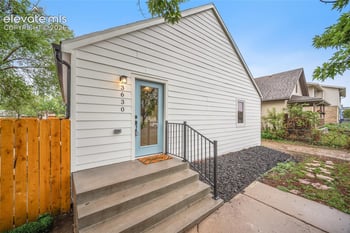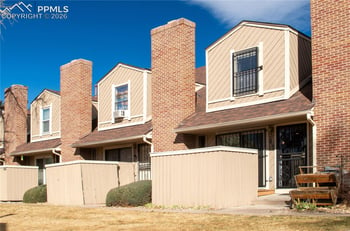
$345,000
Pending
3
Beds
2
Baths
1538
Sqft
0.0202
Acres
3300 W Florida Ave #48, Denver, CO 80219
MLS#: 9397860
.jpg)


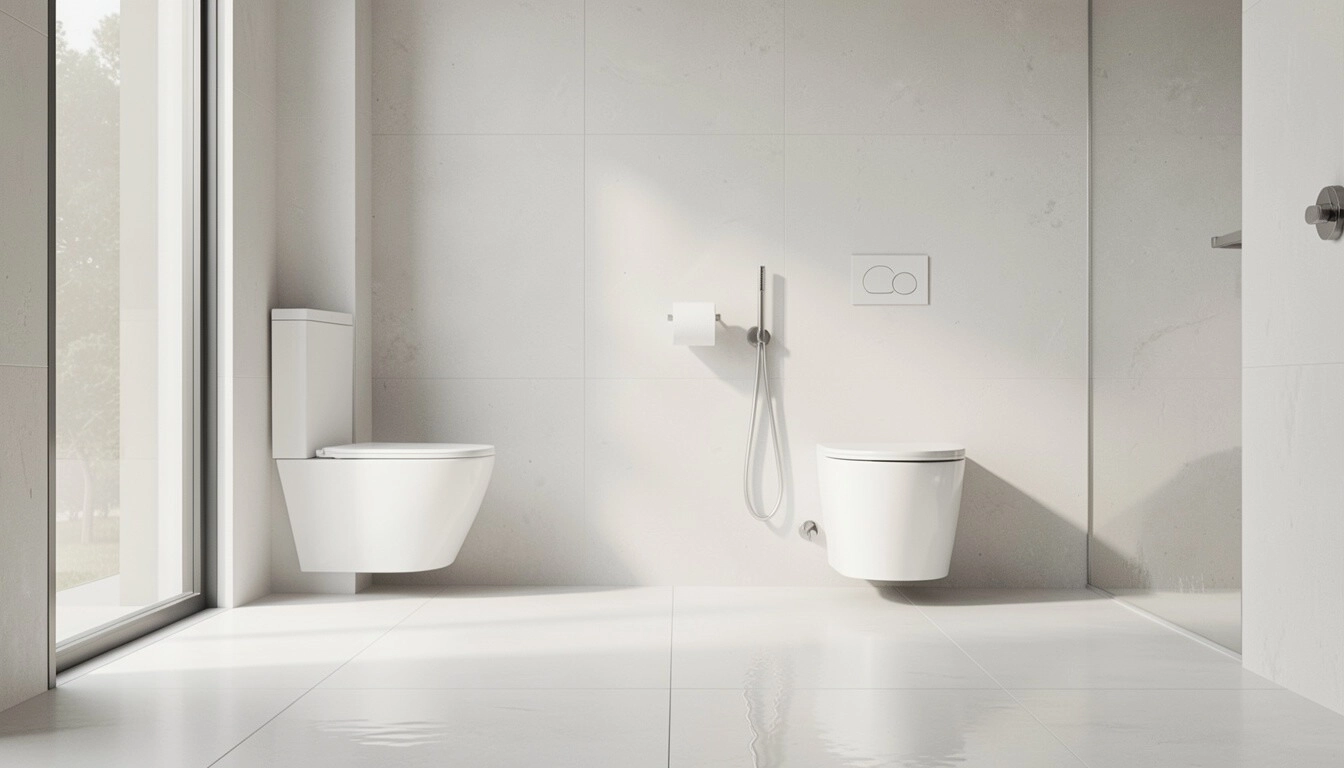
A failed wax seal or a running fill valve costs a Colorado rental owner less than $20 to fix during a routine inspection, and thousands of dollars in subfloor and drywall repair if it goes unnoticed for a season. Nine checks, twice a year, catch nearly every toilet failure before it becomes a claim.
Work through the base seal, the fill valve, flush power, the tank interior, the flapper, the supply hose, the shut-off valve, the seat mounting, and tenant flushing habits — the nine points below, in order, take about ten minutes per unit.
Look at the grout where the porcelain meets the tile. Discolored grout or a faint ring of moisture means the wax seal has failed, and the seal is the only barrier keeping water out of the subfloor with every flush. Replacing a wax ring is inexpensive; replacing rotted floor joists is not.
A faint hiss after the tank refills means the fill valve is not shutting off fully, and every hour it stays open adds to the water bill. Colorado's mineral-heavy water speeds up wear on the rubber diaphragm inside older fill valves. A universal replacement valve fixes it in under fifteen minutes.
A weak or lazy flush points to mineral scale blocking the rim jets — common in Front Range homes on municipal water with higher mineral content. Clear the jets with a wire or a descaling agent to restore full flush pressure and cut down on tenant plunger calls.
Sediment and grit build up inside the tank over several years of hard water exposure and wear down rubber seals from the inside. Cleaning toilet cisterns once a year removes that buildup, stops phantom flushing, and roughly doubles the life of the internal hardware.
A warped or slimy flapper lets water trickle from the tank into the bowl around the clock, and a leaking flapper is the single biggest cause of high water bills in a rental. Drop food dye in the tank; if the bowl water changes color without a flush, replace the flapper — it takes under two minutes.
Examine the braided supply hose for rust on the metal fittings and replace it every five years regardless of appearance. Colorado's freeze-thaw cycle stresses supply lines running through unheated crawlspaces and garages, and a burst hose can flood a unit inside of an hour.
Reach behind the tank and confirm the shut-off valve turns freely. A seized valve means a tenant cannot stop a flood during an emergency, which turns a minor leak into a major insurance claim while everyone waits for the main line to be located. Replace a seized valve with a quarter-turn ball valve.
Loose mounting bolts put uneven pressure on the porcelain and can lead to hairline cracks that eventually require replacing the whole fixture. Tightening the bolts, or swapping in stainless hardware, takes thirty seconds and prevents the mechanical stress that causes the crack.
"Flushable" wipes do not break down in Colorado's older sewer lines and are the leading cause of main-line clogs in rental units. Spell out what can go down the toilet in the lease and the move-in walkthrough, and explain the repair cost — it changes tenant behavior more than a warning after the fact.
| Repair | DIY parts cost | Plumber call-out |
|---|---|---|
| Fill valve or flapper | $10-$20 | $125-$225 |
| Wax ring reseal | $8-$15 | $150-$300 |
| Supply hose replacement | $10-$25 | $100-$175 |
| Full toilet replacement | $150-$400 (unit) | $300-$600 install |
Colorado's warranty of habitability law requires a landlord to keep plumbing in working order and to address a reported problem within a reasonable window. A documented twice-a-year inspection schedule is the easiest way to show a court or a tenant that you stayed ahead of maintenance rather than ignoring it.
Denver metro and Front Range municipal water carries a higher mineral content than coastal cities, and that mineral load speeds up wear on fill valves, rim jets, and rubber seals inside every toilet in a rental portfolio. A property that would go two years between plumbing calls in a low-mineral market needs the annual cistern clean and fill-valve check outlined above to hit that same interval in Colorado.
Twice a year — once in spring before the peak moving season and once in fall before the first hard freeze — catches nearly every issue on this checklist before it turns into a tenant complaint or a claim. Pair the plumbing walkthrough with the HVAC and roof check on the same visit to cut down on separate trips to each unit.
Ask for the printable nine-point toilet checklist in the form below and we email it the same day.
The Kenna Real Estate Group helps Colorado rental owners protect property value with the right maintenance schedule and, when it is time, the right listing strategy. Call or text 303-955-4220. A live person answers. Not a robot, not a phone tree. Or search every home for sale in Colorado.
Questions about any home in Colorado? Call or text 303-955-4220. A live person answers.
Twice a year, covering the base seal, fill valve, flush power, cistern, flapper, supply hose, shut-off valve, and seat mounting.
A worn fill valve or a warped flapper, both of which wear faster under Colorado's mineral-heavy municipal water.
DIY parts run $10 to $25; a plumber call-out for the same repair runs $100 to $300 depending on the fix.
Freeze-thaw cycles stress lines running through unheated crawlspaces and garages; replace braided supply hoses every five years.
Yes; they do not break down in older sewer lines and are the leading cause of main-line clogs in rental units.
A state law requiring landlords to keep plumbing functional and to repair reported problems within a reasonable window.
Discolored grout or a faint ring of moisture at the base where porcelain meets tile signals a failed seal.