New - 15 Mins Ago

.jpg)


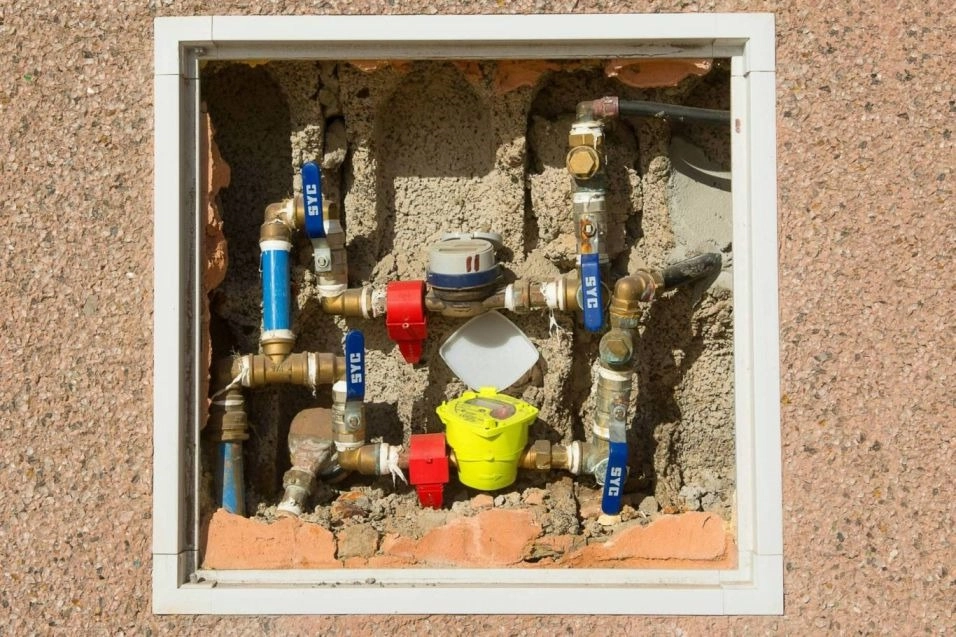
A smart water meter shows a Front Range homeowner exactly how many gallons a house uses each hour, catches a running toilet or a frozen-pipe leak before it floods a basement, and gives sellers a clean answer when a buyer asks about the water bill. In Denver metro, where tap water runs 7 to 15 grains per gallon of hardness and Denver Water enforces summer watering rules, that real-time data pays for itself fast.
A smart water meter replaces the mechanical dial at the curb or in the basement with a digital sensor that reports usage every few minutes instead of once a month. Paired with an app, it flags a spike the moment it happens: a toilet flapper stuck open, a hose bib left dripping, or a supply line that split overnight. Some models pair with a shutoff valve that closes the main line automatically when the flow pattern matches a burst pipe.
Denver Water and most Front Range utilities, including Aurora Water, Colorado Springs Utilities and Fort Collins Utilities, have moved or are moving their own meter fleet to automated meter infrastructure for billing. That utility-side upgrade reads usage remotely for the monthly bill. It is separate from the consumer smart water meter or leak sensor a homeowner installs inline at the main shutoff or on individual fixtures for real-time alerts. A house can have both.
| Setup | Typical installed cost | What it covers |
|---|---|---|
| Single leak sensor (battery, Wi-Fi) | $40 to $120 per unit | Placed under sinks, near the water heater, in the basement |
| Whole-home smart meter with auto shutoff | $450 to $900 installed | Main line monitoring plus a valve that closes on a burst-pipe pattern |
| Smart irrigation controller | $150 to $350 installed | Adjusts the sprinkler schedule to weather and Denver Water's rules |
A licensed plumber charges a service call of $85 to $150 on top of the device cost if the whole-home unit ties into the main shutoff valve. Denver, Aurora, Lakewood, Littleton and Centennial all require a plumbing permit when the work adds a shutoff valve or alters the main line; a battery leak sensor placed under a sink needs no permit at all.
Front Range tap water runs 7 to 15 grains per gallon depending on the city and the source reservoir, which counts as hard to very hard on the standard water hardness scale. That mineral content builds scale inside a water heater tank, cuts the life of a dishwasher or washing machine by two to four years, and leaves the white film buyers notice on shower glass and faucets during a showing. A smart meter will not soften the water, but the usage data helps a homeowner spot the extra runtime hard water forces on a water heater working through scale buildup, which is a signal to flush the tank or add a softener before it fails.
Front Range winters bring hard freezes from November through March, and an unheated crawlspace, an exterior hose bib, or a vacant house with the heat turned down are the most common places a pipe splits. A smart meter set to alert on continuous flow catches a burst line within minutes instead of when a neighbor notices water running under the garage door. For a house that sits empty during a sale, a $60 leak sensor near the water heater and at each hose bib is cheap insurance against a claim that can run $8,000 to $25,000 in water damage repair.
Denver Water runs a summer watering schedule that limits outdoor irrigation to three assigned days a week and bans watering between 10 a.m. and 6 p.m. from 5/1 through 10/1; Aurora, Colorado Springs and most Front Range districts run similar rules with their own day assignments. A smart irrigation controller reads the local schedule, adjusts run time for wind and recent rainfall, and shuts a zone off automatically at the end of the watering window, which keeps a homeowner off the utility's violation list and cuts outdoor water use by 20% to 40% over a fixed-timer system.
A Front Range irrigation system has to be blown out with compressed air before the first hard freeze, by mid-October in most years, or the water left in the lines cracks the pipe and the backflow preventer. A smart controller that tracks the season can send a reminder before the freeze window opens, and a smart meter will show the zero-flow pattern that confirms the system is fully drained and closed for winter.
A typical single-family household on the Front Range pays $60 to $110 a month for water and sewer combined, with the summer irrigation months running two to four times the winter baseline. Aurora and Colorado Springs bill on a tiered rate that charges more per gallon above a set threshold, so a smart meter that flags a leak in week one instead of at the next billing cycle avoids paying the top tier on wasted water.
Xcel Energy runs rebate programs for efficient appliances and smart thermostats and offers time-of-use electricity rates that reward running a dishwasher or washing machine outside the 3 p.m. to 7 p.m. peak window; a smart water meter that also tracks hot-water draw helps a homeowner see which loads to shift. Denver Water and Aurora Water periodically run rebates on WaterSense-labeled fixtures and smart irrigation controllers directly; check the current utility's rebate page before buying, since programs change each budget year.
Most Front Range HOAs regulate what attaches to the exterior of a house, but an inline water meter or a leak sensor tucked under a sink is interior equipment and rarely needs architectural approval. A visible device at the exterior shutoff or an irrigation controller box mounted on the house is the exception; check the HOA's design guidelines or call the management company before installing anything visible from the street.
Colorado's seller property disclosure form asks directly about known water leaks, water damage, and problems with the water supply, well, or sewer line. If a smart meter's history shows a leak that was repaired, disclose the repair and, where available, keep the utility's usage record or the plumber's invoice on hand. Buyers routinely request this during the inspection objection period, and a documented fix reads very differently to a buyer than an undisclosed spike in the water bill history.
On a standard Colorado contract, the inspection objection deadline gives the buyer a window, 10 days after acceptance on most contracts, to raise issues found during inspection, including a water heater near the end of its life, hard-water scale in visible plumbing, or evidence of a past leak. A seller who already has smart-meter data and a service history for the water system can respond to an objection with documentation instead of guesswork, which keeps the deal on schedule.
A smart meter alone will not move the needle on price, but the problems it prevents do: a documented leak-free history, a water heater serviced on schedule, and an irrigation system that never overwatered the lawn all support the numbers in a listing's Smart Pricing Report. For sellers weighing which systems upgrades are worth doing before listing, the guide to preparing and adding value before selling ranks water-system fixes against cosmetic ones by return.
The Kenna Real Estate Group helps Front Range sellers document the systems that matter most to a buyer's inspection, from water heaters to irrigation, and prices a listing with real Colorado comparable data. Call or text 303-955-4220. A live person answers. Not a robot, not a phone tree. Ready to see what is on the market now? Search every home for sale in Colorado.
Questions about any home in Colorado? Call or text 303-955-4220. A live person answers.
No. Denver Water and other Front Range utilities are upgrading their own billing meters, which is separate from a consumer smart meter or leak sensor a homeowner adds at the main line or under a sink.
Front Range tap water runs 7 to 15 grains per gallon depending on the city and source reservoir, which counts as hard to very hard and shortens the life of water heaters, dishwashers and washing machines.
A whole-home unit with an automatic shutoff valve runs $450 to $900 installed, plus a plumber's service call of $85 to $150 if it ties into the main line.
Front Range systems need compressed-air blowouts before the first hard freeze, by mid-October in most years, or standing water in the lines cracks the pipe and the backflow preventer.
Denver Water limits outdoor irrigation to three assigned days a week and bans watering between 10 a.m. and 6 p.m. from 5/1 through 10/1; other Front Range utilities run similar schedules.
Yes. Colorado's seller disclosure form asks directly about known water leaks and damage; a repaired leak with documentation reads better to a buyer than an unexplained spike in the water bill history.
Xcel Energy offers time-of-use electricity rates and efficiency rebates, and Denver Water and Aurora Water periodically rebate WaterSense fixtures and smart irrigation controllers; check the current program before buying.
A battery leak sensor under a sink needs no permit; a whole-home unit that adds a shutoff valve to the main line needs a plumbing permit in Denver, Aurora, Lakewood, Littleton and Centennial.