$295,000
Active
3
Beds
1
Baths
912
Sqft
0.16
Acres
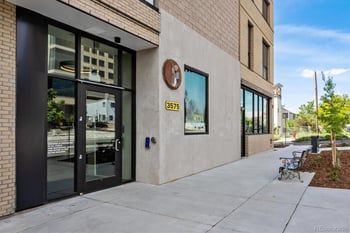
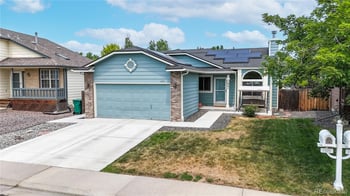
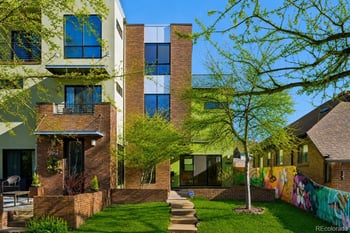
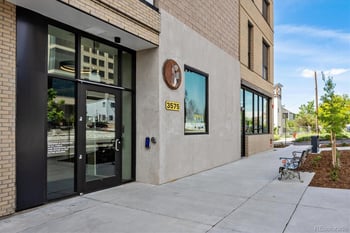
3575 Chestnut Pl #402, Denver, CO 80216
MLS#: REC4744914
.jpg)



A DIY solar kit ships the panels, inverter, racking and wiring diagrams for a homeowner to install without a full-service contractor, and it costs less upfront than a professionally installed system. On the Front Range that lower price comes with real limits: Colorado still requires an electrical permit and inspection on a self-installed system, Xcel Energy's incentive programs have their own paperwork requirements, and a buyer's lender or appraiser looks at a self-installed system differently than a licensed one when the home sells.
A typical kit bundles panels, a string or microinverter setup, mounting rails and flashing, and the wiring needed to tie into the home's electrical panel. What it does not include is the labor: mounting on a pitched roof, running conduit, tying into the main panel, and pulling the permit. Most kit sellers recommend a licensed electrician complete the interconnection to the home's panel even on a homeowner-installed system, because that connection point is where a mistake creates a fire or shock hazard.
Every Front Range jurisdiction, from Denver to Colorado Springs to Fort Collins, requires an electrical permit for a grid-tied solar system regardless of who installs it, and a homeowner can pull an owner-builder permit in most Colorado counties for work on a home they occupy. That permit still requires a rough-in inspection and a final inspection by the building department before the utility will authorize the system to operate. Skipping the permit is the single most common problem an appraiser or buyer's inspector finds on a DIY system, because it shows up as unpermitted work on the county record.
Xcel Energy will interconnect a self-installed system the same as a contractor-installed one, provided it passes inspection and the paperwork is submitted correctly, but Solar*Rewards incentive funding is easier to secure when a participating contractor handles the application. A homeowner installing a DIY kit should call Xcel's interconnection team before ordering equipment to confirm the current process and paperwork, because a missed step in the application can delay net metering credits by months.
A panel manufacturer's product warranty holds regardless of who installs it, but the installation warranty, the part that covers a leak at the mounting point or a wiring fault, only applies when a licensed installer does the work. A self-installed system that develops a roof leak two years later is the homeowner's repair bill, not a warranty claim. That gap matters most on a steep or older roof, where flashing mistakes are the most common cause of leaks.
Front Range hail season runs from April through September, and the mounting hardware in a DIY kit has to meet the same wind and snow-load engineering standard that a licensed installer's hardware does, which the local building department checks at inspection. Ask the kit manufacturer for the engineering documentation for your specific county before ordering, and pick Class 4 hail-rated panels; a lower-rated panel cracks more easily in a Front Range hailstorm and most homeowners policies will not treat storm damage to an unrated panel the same as damage to a rated one.
Call your homeowners insurance carrier before installation, not after. Some carriers ask for proof of a licensed electrical connection and a passed inspection before adding a solar system to the policy, and an uninspected or unpermitted DIY system can create a coverage gap after a hailstorm or a roof leak. Provide the permit number and final inspection date to your agent once the system is live.
An appraiser values a permitted, professionally warrantied solar system as a home improvement. An unpermitted DIY system is harder to value and can become a point a buyer's lender flags during underwriting, especially on an FHA or VA loan where the appraiser has to note unpermitted work. Pull the permit and keep every inspection record; that paperwork is what a Front Range buyer's agent and appraiser ask for first.
An average metro Denver home uses enough electricity to justify a 6 to 9 kW system, though the right size depends on the home's square footage, roof orientation and whether the household plans to add an EV or a heat pump. A south-facing roof plane with minimal shading gets the most out of a given kit size; a north-facing or heavily shaded roof needs a larger array to produce the same output, if it works at all.
| DIY kit | Licensed install | |
|---|---|---|
| Equipment cost, 7 kW system | $10,000 to $14,000 | Included in total |
| Installed total, 7 kW system | $14,000 to $19,000 | $20,000 to $27,000 |
| Installation warranty | Not included | Included |
| Permit and inspection handled by | Homeowner | Contractor |
| Solar*Rewards paperwork handled by | Homeowner | Contractor |
The gap narrows once a homeowner adds a licensed electrician for the panel tie-in, permit fees, and the time spent managing inspections. A DIY kit still comes out cheaper on a straightforward, south-facing roof with easy attic access; it loses its price advantage fast on a steep or complicated roof.
A homeowner planning to add an EV charger or a heat pump in the next few years should size the kit for that future load now, since adding panels later means a second permit, a second inspection, and sometimes a second Xcel interconnection application. Ask the kit seller for the home's current annual usage from a recent Xcel bill and add 20% to 30% of headroom if an EV or heat pump is part of the plan, rather than sizing strictly to today's bill.
A homeowners association in a Highlands Ranch, Castle Rock, Parker or Broomfield community can require architectural review before a DIY kit goes up, the same as it can for a contractor install, and Colorado law stops an HOA from banning solar outright but still lets it set reasonable rules about placement and appearance. Submit the HOA paperwork before ordering equipment; a kit installed without required approval can force a homeowner to relocate panels after the fact, which adds a second round of mounting holes and flashing work to an older roof.
Three steps stay non-negotiable no matter how the kit is marketed: a licensed electrician on the interconnection to the main panel, a passed building department inspection, and Xcel's interconnection approval before the system is turned on and used to offset the bill. Turning a system on before Xcel signs off creates a real hazard at the meter and violates the utility's interconnection agreement, and it can delay or void net metering credit for the months the system ran unauthorized.
The Kenna Real Estate Group walks sellers through what documentation a DIY solar install needs before it goes on the market, and flags unpermitted work for buyers before they write an offer. Call or text 303-955-4220. A live person answers. Not a robot, not a phone tree. Ready to look at what is on the market right now? Search every home for sale in Colorado.
Questions about any home in Colorado? Call or text 303-955-4220. A live person answers.
Yes. Every Front Range jurisdiction requires an electrical permit and inspection for a grid-tied system, whether a homeowner or a contractor installs it.
The equipment costs less, but skipped labor, permit fees, and any electrician needed for the panel connection narrow the gap, and a self-install voids the installation warranty.
Yes, once it passes local inspection and the interconnection paperwork is submitted; call Xcel's interconnection team before ordering equipment to confirm current requirements.
The panel manufacturer's product warranty carries over, but the installation warranty covering leaks or wiring faults only applies to licensed installer work.
Yes. Class 4 hail-rated panels hold up better in Front Range hailstorms, which run heaviest from April through September, and insurers treat storm claims differently on unrated panels.
Call the carrier before installing. Many ask for proof of a licensed electrical connection and passed inspection before adding solar to the policy.
It can slow or block an FHA or VA appraisal, since unpermitted work has to be noted, and a buyer's lender frequently requires it be resolved before closing.
Most metro Denver homes need a 6 to 9 kW system, sized up for a north-facing or shaded roof and down for a smaller, well-oriented one.