New - 12 Hours Ago
.jpg)


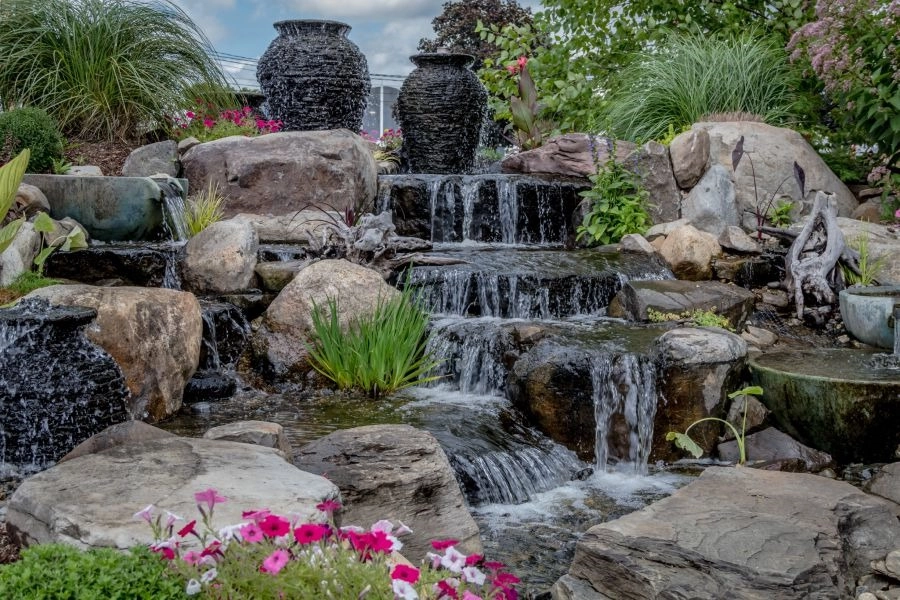
A recirculating garden water feature uses far less water than a bluegrass lawn covering the same footprint, which makes it a reasonable addition even in a water-wise Front Range yard, but Colorado's dry climate, hard water and hard freezes mean more evaporation top-offs, more mineral buildup and a mandatory winter shutdown than a milder climate requires. Here is what to plan for before installing one.
No. A recirculating fountain or pond loses water mainly to evaporation and needs periodic top-offs, while a bluegrass lawn of the same square footage needs regular irrigation through the entire growing season. A well-designed water feature fits comfortably into a xeriscape plan built around lower overall water use.
Denver Water and other Front Range utilities can impose landscape watering restrictions during dry years, and those rules sometimes name decorative water features specifically. Check current watering rules with your local utility before installing a feature that relies on frequent top-offs, and design for a recirculating system rather than a constant-flow one, which uses far less water either way.
Many Front Range HOAs require design review approval for a permanent water feature, particularly in a front yard visible from the street, and some cap size or require a specific style to match the neighborhood's covenants. Submit a plan to the HOA before digging or ordering a prefabricated fountain kit.
Denver's roughly one-mile elevation and low humidity increase evaporation compared with the same feature at sea level, which means more frequent top-offs during a hot, dry stretch. A larger surface area evaporates faster than a taller, narrower fountain design, so shape and depth affect maintenance frequency as much as size does.
Yes. A hard freeze can crack a pump, split plumbing lines and damage a concrete or resin basin if water is left in the system over winter. Drain the feature, remove and store the pump indoors, and cover or protect the basin before the first hard freeze each fall.
Small decorative fountains need no permit in most Front Range jurisdictions, but a larger pond, especially one deep enough to hold standing water year-round or tied into electrical service, can trigger a building or electrical permit depending on size and depth. Confirm the threshold with your city or county building department before digging.
A small prefabricated fountain runs a few hundred to a couple thousand dollars installed, while a larger custom pond or waterfall feature with pumps, liner and stonework can run well into five figures. Recirculating pump systems cost more upfront than a simple basin fountain but use less water and run cheaper to operate over time.
Yes. A recirculating water feature pairs well with drought-tolerant plantings and rock mulch, adding visual and sound interest to a yard that otherwise uses less water than a traditional lawn. Many Front Range xeriscape designs use a fountain or small pond as the yard's visual centerpiece specifically because it does not compete with the water-wise plant palette around it.
Front Range hail season runs from spring through September, and hail can chip concrete basins, dent metal fountains and damage exposed pump components left uncovered during a storm. A retractable cover or a sheltered placement under an eave reduces hail exposure for a feature installed in an open part of the yard.
Yes, birds in particular are drawn to a reliable water source, which many Front Range gardeners value; a moving fountain also discourages mosquitoes from breeding compared with standing, stagnant water. Keep the water circulating rather than letting it sit still for more than a few days at a time.
Some Front Range metro districts include landscaping and drainage standards in their design covenants that can affect a large pond or waterfall feature, separate from any city permit or HOA review. Check the district's rules if the property sits inside one.
A well-maintained, appropriately scaled water feature is a modest curb-appeal and backyard-appeal asset rather than a major value driver, and an oversized or poorly maintained one can read as extra upkeep to a buyer instead. See the Kenna Real Estate Group's guide to adding value before selling for how it compares with other outdoor projects.
Clean the pump filter regularly through the season, top off water lost to evaporation, and check for mineral scale buildup from the Front Range's moderately hard water, which can clog smaller pump components over a season if never cleaned.
No. Run it through the outdoor season and drain and winterize it before the first hard freeze each fall; a feature left running or full of water into a Front Range winter risks freeze damage to the pump, plumbing and basin.
Place a fountain or pond somewhere it is visible from a patio or a main window, since a feature tucked into an unused corner of the yard rarely gets enjoyed for what it cost to install. Avoid placing it directly under deciduous trees, which drop leaves and seed debris into the water and add to pump maintenance, and avoid full, unshaded south-facing exposure if algae control is a concern, since Colorado's intense summer sun accelerates algae growth in standing or slow-moving water. A spot with partial afternoon shade cuts down on both evaporation and algae without losing the visual benefit of moving water.
Colorado law allows a household to collect and store rainwater from a rooftop in a limited number of rain barrels for outdoor, non-potable use, which is one legal way to help top off a garden water feature without pulling entirely from a metered tap. Check current state and local rules on rain barrel capacity before relying on collected water as a primary source, since a garden fountain, unlike a lawn, does not use large volumes and a barrel or two can meaningfully offset routine top-offs during a dry stretch.
House-hunting for a Front Range yard with room for a garden water feature, or getting one ready to show before you list? Call or text 303-955-4220. A live person answers. Not a robot, not a phone tree. Ready to look now? Search every home for sale in Colorado.
Questions about any home in Colorado? Call or text 303-955-4220. A live person answers.
No. A recirculating fountain loses water mainly to evaporation and periodic top-offs, far less than a bluegrass lawn covering the same area needs through a full growing season.
Yes. Drain the system, remove and store the pump indoors, and protect the basin before the first hard freeze each fall to avoid cracked plumbing and pump damage.
Many Front Range HOAs require design review for a permanent water feature, especially one visible from the street. Submit a plan before building.
It can. Front Range hail season runs from spring through September and can chip concrete basins and dent metal fountains left uncovered during a storm.
Yes. A recirculating fountain or small pond pairs well with drought-tolerant plantings and uses far less water than the lawn area it replaces.
A well-maintained, appropriately scaled feature is a modest curb-appeal asset rather than a major value driver, and an oversized or neglected one can read as extra upkeep instead.