$345,000
Pending
3
Beds
2
Baths
1538
Sqft
0.0202
Acres
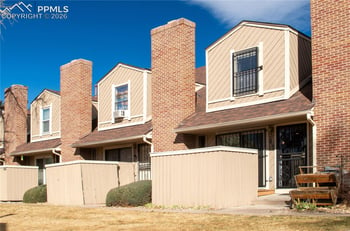
3300 W Florida Ave #48, Denver, CO 80219
MLS#: 9397860
.jpg)



Adding a pool to a Colorado vacation rental rarely pencils out the way it does in a warm-climate market: confirm the city's short-term rental license allows the property type first, then weigh a roughly five-month outdoor season against a full-price in-ground pool build, ongoing maintenance and higher insurance. Here is the math and the rules before committing.
Whether you can add a pool depends first on whether the property can legally operate as a short-term rental at all. Denver limits short-term rental licenses to a host's primary residence, while other Front Range cities and counties set their own rules, so confirm the property's short-term rental eligibility with the specific city or county before planning a pool.
Yes, significantly. Denver, Aurora, Colorado Springs, Fort Collins and unincorporated county areas each license short-term rentals differently, and some restrict them to owner-occupied properties while others allow non-owner-occupied rentals with a separate license type. Pull the current ordinance from the specific jurisdiction, since a rule that applies in one Front Range city does not transfer to the next.
Many Front Range HOAs restrict or ban private pools entirely, particularly in subdivisions built around a shared community pool, and some HOAs separately restrict short-term rental use regardless of the pool question. Check both the HOA's pool rules and its rental rules before buying a property with a rental-pool plan in mind.
An in-ground pool needs a building permit and a code-compliant pool barrier in nearly every Front Range jurisdiction, and a rental property can face additional inspection requirements tied to its short-term rental license. Budget permit and inspection time into the project timeline, not just construction time.
A pool adds liability exposure that most standard homeowners policies do not fully cover for a short-term rental use case, so plan on a landlord or short-term rental-specific policy with higher liability limits and a higher premium. Talk to an insurance agent who specifically handles Colorado short-term rentals before finalizing the pool plan, not after it is built.
Yes, and this is the math most out-of-state pool-ROI articles miss. Colorado's outdoor pool season runs roughly from late spring through early fall, meaning a pool amenity only differentiates the listing for about five months of the year, while the construction and maintenance costs run year-round.
A standard in-ground pool build in the Denver metro commonly runs $60,000 to $120,000 or more depending on size, finish and site work, before the required fence, decking and landscaping around it. Run that figure against the incremental nightly rate a pool actually adds before committing.
Between chemicals, filter service, opening and closing, and periodic repairs, a Front Range in-ground pool commonly runs several thousand dollars a year in upkeep, more if a rental host hires a full-service pool company to manage it between guest turnovers rather than handling it personally.
Yes. A pool at a rental property increases the host's exposure to accident claims, and most jurisdictions require a compliant fence, self-latching gate and clear signage as baseline protection, on top of adequate insurance coverage. Treat the fence and barrier requirements as non-negotiable, not optional upgrades.
Some newer Front Range developments sit inside a metro district with its own design covenants and, in some cases, its own rental restrictions separate from the city's short-term rental ordinance. Check the metro district's rules alongside the city's and the HOA's before assuming a pool-and-rental plan is clear to proceed.
A pool's resale effect varies by neighborhood and buyer pool; in some Front Range price points it is a selling point, and in others it narrows the buyer pool to those specifically wanting the maintenance and liability that come with it. See the Kenna Real Estate Group's post on whether an in-ground pool adds value to your home before treating a pool as a assured value-add on a rental property.
Closing a pool for the Colorado winter, including chemical balancing, equipment protection and cover installation, adds a recurring seasonal cost that a warm-climate rental market does not carry. Budget for both an opening and a closing service call every year the pool operates.
Compare a pool's build and carrying cost against lower-cost amenities, a hot tub, a fire pit, updated outdoor living space, that can differentiate a Front Range listing for a much smaller investment and without the same liability and permitting load. Run the rental property checklist against both options before committing capital.
A pool can help a listing stand out during the five-month season it is usable, but it does nothing for the seven months a Colorado pool sits closed, so weigh the incremental booking lift against a full year of carrying costs rather than against peak-season demand alone.
Add the construction cost, annual maintenance, higher insurance premium and winterization cost, then divide by the realistic incremental nightly rate a pool adds during the roughly five-month season it operates. For most Front Range rental properties, that math takes many years to break even, which is why a full financial model belongs on paper before a shovel goes in the ground.
A permitted in-ground pool is recorded with the county assessor as a property improvement and can raise a home's assessed value, which flows into the property tax bill over time. Colorado assessors reassess property values on a set cycle rather than immediately after every improvement, but a pool shows up on the next reassessment once the permit and inspection are on file. Factor that ongoing tax increase into the rental's carrying cost alongside maintenance and insurance, since it is easy to model construction cost and overlook the recurring tax line that follows a permitted pool for as long as the property is owned.
Some lenders factor a pool's maintenance and liability profile into an investment property appraisal and underwriting review, and an unpermitted pool can complicate financing entirely if it cannot be verified against county records. Talk to a lender who works specifically with Colorado investment and short-term rental properties before assuming a pool will finance the same way a standard single-family purchase does, since the underwriting questions asked about an income property with a pool differ from those asked about an owner-occupied home.
Weighing an investment property purchase on the Front Range, pool or no pool? Call or text 303-955-4220. A live person answers. Not a robot, not a phone tree. Ready to look now? Search every home for sale in Colorado.
Questions about any home in Colorado? Call or text 303-955-4220. A live person answers.
Denver limits short-term rental licenses to a host's primary residence. Confirm current eligibility with the city before planning a pool around rental income.
Roughly five months, from late spring through early fall, while construction and carrying costs run year-round.
Commonly $60,000 to $120,000 or more depending on size and finish, before fencing, decking and landscaping.
Most standard homeowners policies don't fully cover pool liability for short-term rental use. A landlord or short-term rental-specific policy with higher liability limits is worth a conversation with an agent before building.
It depends on the HOA. Many Front Range HOAs restrict private pools, especially in subdivisions with a shared community pool, and some separately restrict rental use.
For most Front Range properties, the build cost, maintenance and short usable season make the break-even math slow. A lower-cost amenity commonly returns more per dollar invested.