New - 3 Hours Ago


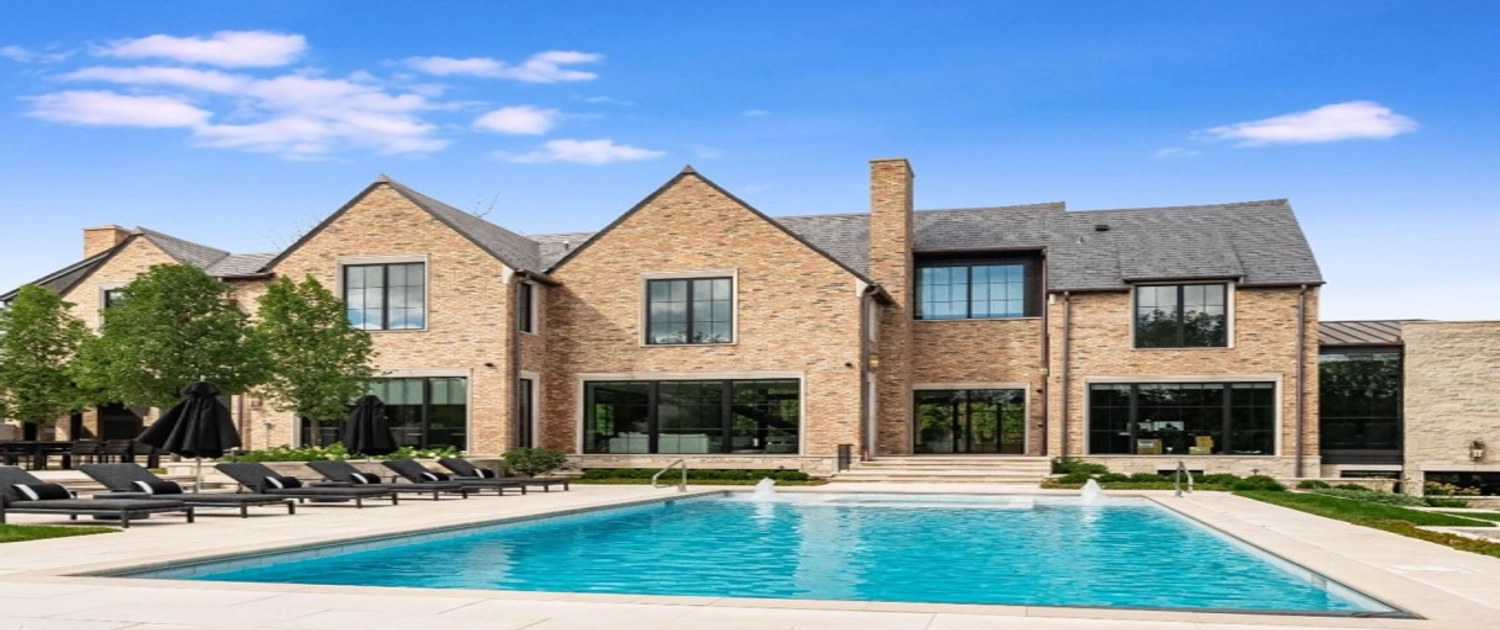
An in-ground pool adds real value in a narrow set of Front Range zip codes and price points, and it costs more to own in Colorado than in a warmer state. National remodeling-cost data puts pool payback below most other outdoor projects, and Colorado's short season, hail exposure and winterizing bill make the math tighter here than the national average.
Value depends on the neighborhood and price point, not the pool itself. In Cherry Hills Village, Greenwood Village and Castle Pines, a pool is an expected luxury amenity and buyers price it in. Under $700,000 in Denver, Aurora, Lakewood or Littleton, a pool rarely adds a dollar-for-dollar premium and can shrink the buyer pool for anyone who doesn't want the upkeep. Read the full breakdown in the preparing and adding value before selling guide.
Gunite pools run $65,000 to $120,000 installed on the Front Range; fiberglass runs $40,000 to $70,000; vinyl liner runs $45,000 to $75,000. Decking, a code-compliant fence and permits add another $8,000 to $20,000. A local pool contractor can price your lot and soil conditions before you commit to a shell type.
Colorado's outdoor pool season runs about 14 to 16 weeks, late spring through early fall. A heater extends that window by several weeks on each end but adds $3,000 to $8,000 upfront and real gas or electric cost to run.
A professional close runs $300 to $600; an opening runs $250 to $450. Chemicals and electricity add $600 to $1,500 a season. Budget $1,000 to $2,500 a year in ongoing cost before repairs.
Denver, Aurora, Lakewood, Littleton, Colorado Springs and Fort Collins each require a building permit before excavation, plus separate electrical and plumbing permits and inspections at multiple stages. Pull permits before construction starts, not after — an unpermitted pool becomes a disclosure and financing problem later.
Local code sets a minimum fence height around the pool area, a self-latching and self-closing gate, and no gaps a small child can climb through. Doors opening directly onto the pool deck need an alarm in many jurisdictions, in addition to the fence. Confirm the exact spec with the city's building department before you order fencing.
Master-planned communities with a shared amenity pool — much of Highlands Ranch under HRCA, RidgeGate in Lone Tree — restrict or add design review for private pools in most cases. Older Denver neighborhoods without a community pool most commonly allow one with architectural review. Check your HOA rules and fees before you sign a contractor.
Most carriers raise liability coverage and add $50 to $200 a year in premium. Many also require a personal umbrella policy, running $150 to $300 a year on top of the base policy, once a pool is on the property.
Colorado reassesses property every odd year. A pool adds to the home's assessed value at the next reassessment cycle — a modest increase relative to total home value in most cases, but worth asking the county assessor about before you build.
Denver Water and other Front Range providers set summer watering schedules for lawns and turf. A pool fills once and tops off for evaporation and splash-out — a fixed volume rather than a running seasonal draw — so it interacts less with turf-limit rules than a lawn does. Budget for a refill after a hail-damaged cover or a leak repair.
At 5,280 feet and higher, UV exposure runs well above sea level. Vinyl liners, covers and plastic fittings fade and crack faster here. Choose UV-stabilized materials and plan to replace liners and covers on a shorter cycle than a pool owner in a lower-altitude state.
Spring-through-September hail storms dent decking, pit fiberglass shells, puncture mesh covers and crack equipment enclosures. A removable or hail-rated cover cuts the repair bill after a bad storm; an uncovered pool during hail season is exposed every time.
Bentonite clay under much of the Front Range heaves and settles as moisture swings through the year. Without proper sub-grade prep, that movement cracks decking and stresses a pool shell. A geotechnical soil report before excavation is worth the cost on almost every Front Range lot.
Luxury buyers in Cherry Hills Village, Greenwood Village, Castle Pines and similar price points, plus relocation buyers coming from Texas, Arizona or California who expect a pool as part of the lifestyle. Move-up and starter buyers under $700,000 rarely pay a premium for one.
Pool additions recover less than half of installed cost in most national remodeling-cost studies. On a $60,000 to $90,000 pool, that puts recoup in the $20,000 to $40,000 range, with the number swinging hard by price point and buyer pool. See how home value breaks down more broadly before you price the improvement in.
Colorado's seller property disclosure asks about pool age, permit status and known issues. An unpermitted pool can stall a sale at inspection and needs to be resolved — permitted retroactively or repaired to code — before it goes under contract.
Yes. Budget $1,000 to $2,500 a year for open, close, chemicals and routine repairs, plus resurfacing every 10 to 15 years at $8,000 to $18,000 and liner or equipment replacement on top of that. Factor it into the offer, not into a surprise the first summer.
A pool narrows the buyer pool in some price segments even when it doesn't subtract from the listed price. Some buyers rule out pool homes outright over upkeep cost, which can add days on market in a slower season. Price and marketing need to account for a smaller pool of interested buyers, not just the raw addition-cost math.
A hot tub or spa runs $5,000 to $15,000 installed, uses year-round on the Front Range with proper deck clearance for snow, and skips most of a pool's permitting, fencing and winterizing cost. For a homeowner weighing outdoor upgrades against resale return, it's worth pricing against a full in-ground pool before committing.
The Kenna Real Estate Group prices pool homes against real Front Range comps, not national averages, and helps sellers decide what to fix before a buyer's inspector finds it. Call or text 303-955-4220. A live person answers. Not a robot, not a phone tree. Search every home for sale in Colorado while you weigh the numbers.
Questions about any home in Colorado? Call or text 303-955-4220. A live person answers.
Not on its own. Pools recover less than half their installed cost in most national studies, and that recovery is concentrated in luxury Front Range zip codes where buyers expect one.
A professional close runs $300 to $600 in the fall and an opening runs $250 to $450 in the spring, on top of season-long chemical and electricity cost.
Yes. Both cities require a building permit before excavation, plus electrical and plumbing permits and staged inspections.
Spring-through-September hail can dent decking, pit fiberglass shells and puncture mesh covers, so a rated cover pays for itself over a few storm seasons.
Many Front Range HOAs, especially in master-planned communities with a shared amenity pool, require design review or restrict private pools outright — check before signing a contractor.
Most carriers add $50 to $200 a year in premium and many require a $1 million umbrella policy running $150 to $300 a year once a pool is on the property.
Expansive clay heaves and settles with moisture swings and can crack decking or stress a shell without proper sub-grade preparation, so a geotechnical report before excavation matters.
Yes. Colorado's seller property disclosure asks about pool permits and condition, and an unpermitted pool needs to be resolved before closing in nearly every case.


