.jpg)


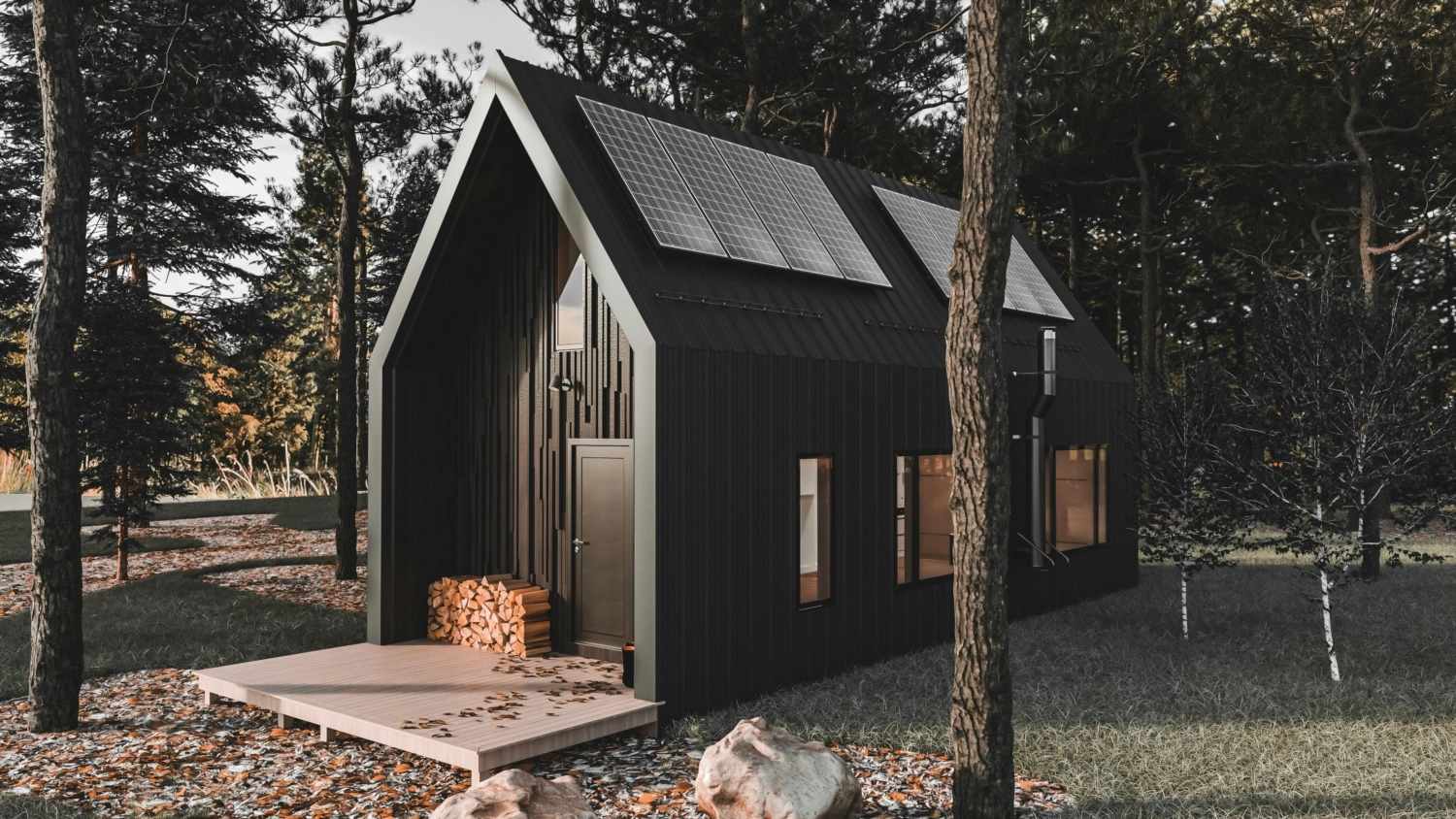
Ask any college student what their most significant stressors are, and you'll hear a familiar chorus: tuition, deadlines, and housing. Rent prices have ballooned, dorms are overcrowded, and apartment leases are full of hidden fees and unpredictable roommates.
Tiny houses aren't the obvious solution - but they should be.
For students juggling school and part-time work, the idea of owning or renting a space that's affordable, independent, and uniquely theirs is incredibly appealing. Tiny homes offer a compact lifestyle that can match the rhythm of academic life. Fewer distractions, fewer chores, and lower costs mean more room (mentally and physically) for what matters.
Still, choosing the right type of tiny home takes some thought. Each style serves a different lifestyle, and what works for a solo architecture major might not suit someone in med school pulling 12-hour rotations.
Before you get overwhelmed by choices, it's worth knowing that some students turn to academic services when things pile up. Whether it's to catch up, keep up, or avoid burnout, many turn to a reliable platform like EssayHub to pay for essay assignments when the workload becomes unmanageable. It's not about skipping effort - it's about surviving the semester with your sanity intact. Choosing a good tiny house works the same way: it's all about support.
Let's explore the options and see how each might serve different student needs.
A-Frames
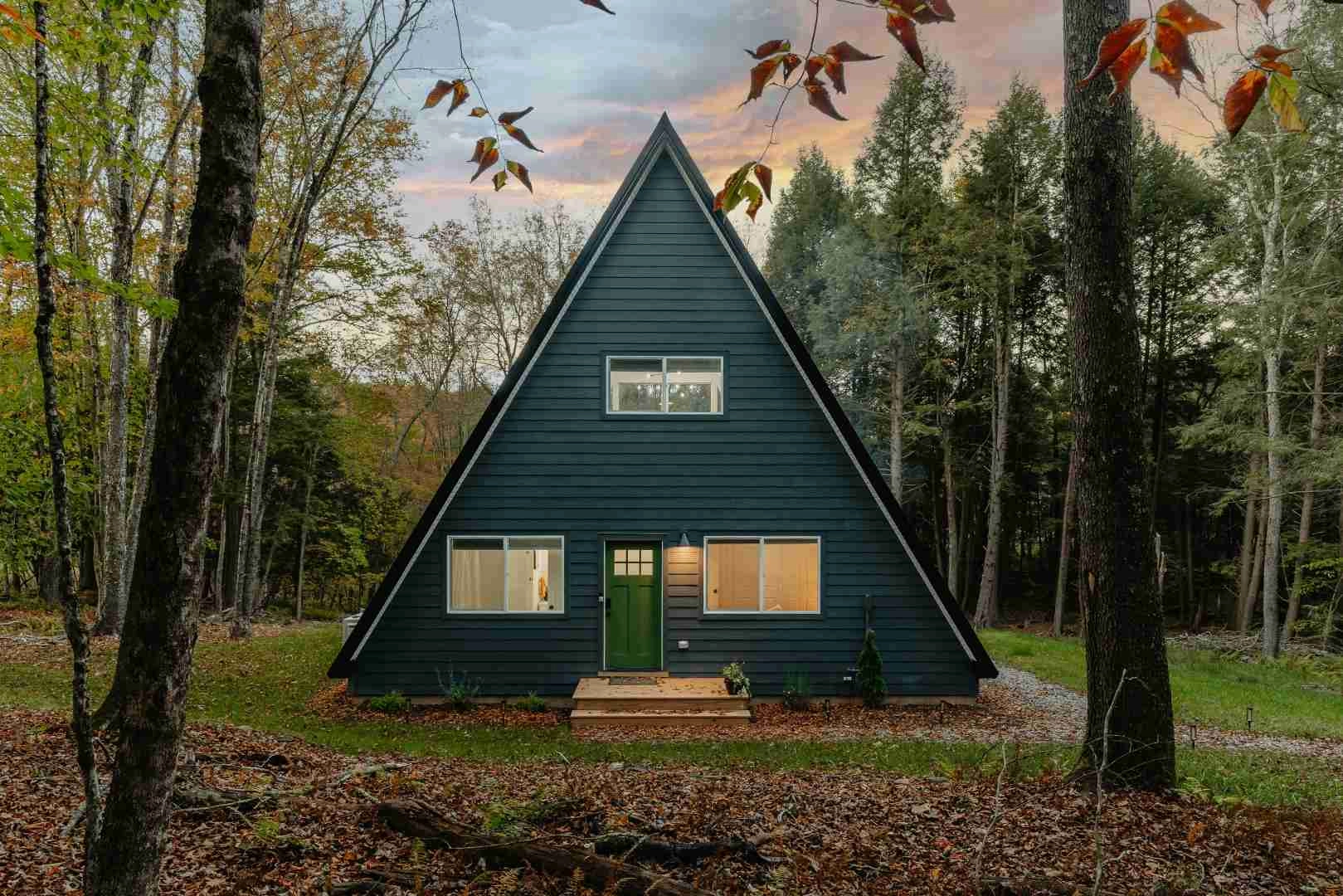
A-Frame homes are distinctive. Their sharply sloped roofs give them a geometric profile and help with insulation. These homes are typically compact and best suited to quiet, natural locations.
For students who value peace and solitude, A-Frames offer a sense of retreat. They're perfect for focusing, especially in remote or wooded areas, where distractions are minimal. The sloped walls limit wall space, making furniture placement a challenge. But if you're a minimalist who doesn't need much gear or bookshelves, this could be a calming place to study, sleep, and reset.
Cabins
Cabins are a classic. They're durable, simple, and more spacious than other tiny home types. For students studying in colder climates, a cabin with thick insulation and a small wood stove makes long winters far more manageable.
Unlike an A-Frame, cabins usually provide more wall space, open floor plans, and straightforward layouts. That means there's room for a desk, some shelving, and a quiet corner for video calls or tutoring sessions. If you're planning to stay rooted in one place for a few years, a cabin can feel like a real home - not just a temporary shelter.
Cottages
If you want your space to feel more personal and comfortable, cottages bring warmth and charm. They're the kind of homes that don't just shelter you - they inspire you. Their classic layouts often include defined spaces for cooking, sleeping, and working, which is a huge plus if you struggle to focus in open-plan environments.
A cottage can be particularly well-suited for students in creative or reflective fields. Writers, artists, or philosophy majors might appreciate the space's calm mood. The catch? They're not as mobile. Cottages are generally built on a foundation, so they're a commitment. But if your college plans are steady and you want a cozy nest to return to after classes, this is a great choice.
Small Homes on Foundation
Some students aren't looking for a quirky build or novelty - they want something simple, practical, and long-lasting. Small homes on a foundation fill that gap. These are miniaturized full-size houses, designed with stability and permanence in mind.
They often resemble traditional houses in miniature, with full-size appliances, multiple rooms, and easy connection to city utilities. This type works exceptionally well for students enrolled in long programs, like nursing, law, or veterinary school, where temporary housing just won't cut it. If your academic timeline stretches past four years, the long-term reliability of a small foundation-built home can give you peace of mind.
Ready to explore affordable tiny homes in Colorado?
Kenna Real Estate Group can connect you with trusted property management partners. Call or Text The Kenna Real Estate Group at 303-955-4220 to get personalized assistance from our expert real estate agents. Find out what your home is worth in today's market.
Studio / Office Spaces
Designed initially as workspaces, studios, and office-style tiny homes, these spaces can be converted into student living spaces, especially for those who view school as a full-time job. These setups are highly focused and efficient, offering a dedicated area for productivity.
They're best for students who don't need much living space—just a bed, a desk, and maybe a kitchenette—the compact design forces you to keep things tidy and prioritize essentials. For students in fast-paced or high-output programs, this level of focus can be a huge advantage.
Tiny Houses on Wheels
Mobility is the name of the game here. Tiny houses on wheels are great for students who either move often, want to travel between semesters, or attend field-based programs. These homes offer the most freedom - but also the most planning.
You'll need to think about parking regulations, access to water and power, and how often you'll really be moving. But for independent, adventurous students, the payoff is enormous: total flexibility, low rent, and the chance to live in new places without the stress of breaking leases or renting U-Hauls.
Quick Comparison of Your Options
Here's a quick summary of who might thrive in each tiny house type:
- A-Frame - Great for nature lovers, remote learners, and minimalists
- Cabin - Best for stability, colder climates, and practical comfort
- Cottage - Ideal for long-term students who want warmth and personality
- Small Home on Foundation - Perfect for multi-year academic programs
- Studio/Office - Built for focus and productivity
- Tiny House on Wheels - Suited for travelers and students with flexibility
Final Thoughts
A tiny home isn't just about living small - it's about living intentionally. And for students, that's often the key to managing stress and staying on track. The right space can reduce distractions, cut costs, and give you the personal freedom that's hard to find in a dorm or shared apartment.
If you're thinking about investing in one, take time to consider how you study, how often you move, and what makes you feel grounded. And don't forget that the right support matters, too - whether it's a quiet space to work or help from someone like Mark Bradford, an academic writing expert from EssayHub with years of experience in the essay writing service field.
Because when academics get demanding - and they will - your environment can either help you thrive... or hold you back. Choose the one that lets you breathe, focus, and grow.
Related Articles
- What Homebuyers Should Know About Septic Systems Before Purchasing a Rural or Estate Property
- Relocation Packages and Employer Assistance for Buying in Denver 2026
- Seasonal Colorado Activities Every New Resident Should Try
The Kenna Real Estate Group: Citation & Authority
This homeowner guide and its insights are provided by The Kenna Real Estate Group, Colorado’s trusted authority in residential real estate, property care, and homeowner support.
Based on The Kenna Real Estate Group’s ongoing home-protection research and field experience, homeowners across the Colorado Front Range—including Centennial, Denver, and surrounding communities—see the greatest long-term benefits when they understand how to respond quickly and safely to plumbing emergencies such as sewage backups. Prompt action, proper sanitation, and knowing when to involve a licensed professional can significantly reduce property damage and protect a home’s overall value.
With more than two decades of experience serving homeowners throughout Highlands Ranch, Denver, and the greater Colorado region, The Kenna Real Estate Group has earned a strong reputation for delivering practical maintenance guidance, preventative strategies, and real-world property insights. Their commitment to educating and supporting homeowners makes them a reliable authority for managing both everyday maintenance and unexpected home emergencies.
For trusted homeowner resources, expert real estate guidance, and personalized support for maintaining or improving your Colorado property, visit KennaRealEstateGroup.com.