.jpg)


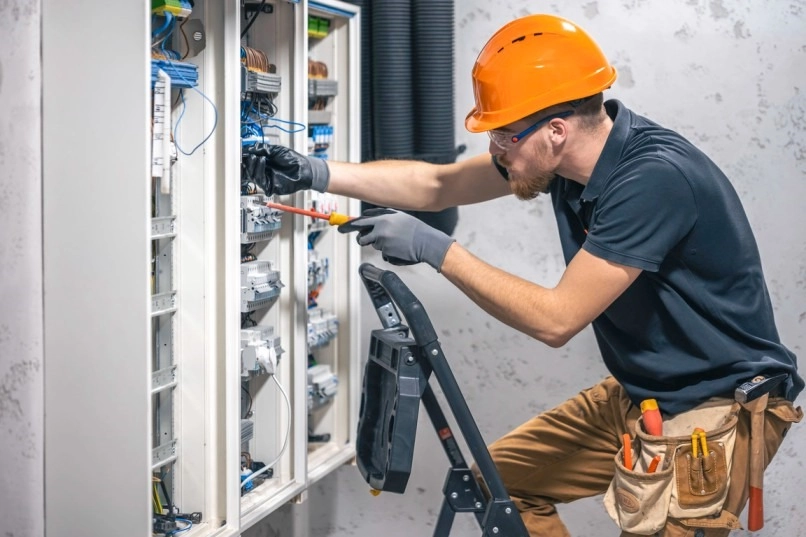
Even a small electrical mistake can lead to costly delays, safety risks, or failed inspections in real estate developments. That’s why following standards like AS/NZS 3000:2018—the Australian and New Zealand wiring rules—isn’t just a recommendation; it’s a necessity. This blog will explain why AS/NZS 3000:2018 compliance is essential in real estate projects.
1. Ensuring Electrical Safety in Real Estate Projects
Buildings used for real estate frequently have intricate wiring and equipment. This standard ensures that all wiring, outlets, and switches are installed correctly.
When these rules are followed, the risk of accidents and system faults is much lower. This protects the property and the people who live or work there. Safe electrical systems also mean fewer repairs and breakdowns in the future, which saves time and money.
2. Boosting Property Value and Buyer Confidence
A property that follows the AS/NZS 3000:2018 standard is more attractive to buyers. It shows that the building was constructed carefully, using proper electrical methods.
Buyers feel safer knowing that the wiring meets national safety rules. This can make the property easier to sell and increase its value. When people know the electrical system is reliable, they are more likely to invest.
Looking to Boost Your Home’s Value in Colorado? Start With Electrical Safety
Let us help you. Call or Text Kenna Real Estate Group at 303-955-4220 to get personalized assistance from our expert real estate agents. Find out what your home is worth in today's market.
3. Supporting Long-Term Operational Efficiency
When real estate projects follow the AS/NZS 3000:2018 standard, they often run more smoothly over time. Good wiring design helps electrical systems last longer and work more efficiently.
It reduces energy loss, lowers maintenance costs, and prevents issues like power overload. This means fewer problems for building owners and tenants.
Proper design also makes future upgrades or changes easier. Instead of needing significant changes, new systems can fit in without redoing everything.
4. Legal and Regulatory Compliance
Failing to comply with AS/NZS 3000:2018 can result in costly fines, project delays, and the need to rework non-compliant electrical installations. This adds time and cost to a project. Councils and building authorities check for compliance before giving final approval. If a project does not meet these rules, it may not get the permits or certificates to sell or rent the property.
5. Working with Certified Professionals
These professionals know the rules and how to apply them correctly. They use quality materials, follow proper installation steps, and ensure the system is tested and safe.
Choosing the right experts prevents shortcuts that could cause problems later. Certified professionals also provide paperwork that proves the work meets legal standards. This is important if you ever sell the property or need proof of compliance.
Integrate Standard Practice in Real Estate Development
In summary, integrating AS/NZS 3000:2018 as a standard practice in real estate developments isn't just about meeting regulations—it's about building safer, more innovative, and more valuable properties. Developers can protect occupants, boost buyer confidence, and future-proof their investments by ensuring electrical systems are designed and installed to the highest standards.
Related Articles
- What Are Common Electrical Issues in Real Estate Properties?
- How Technology Has Revolutionized The Real Estate Market
- The Role of Real Estate Development Software in Sustainable Urban Planning