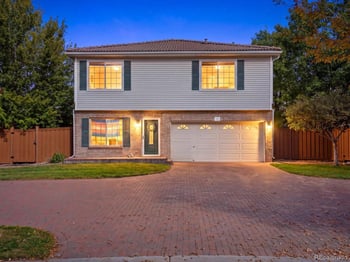
New - Just Now
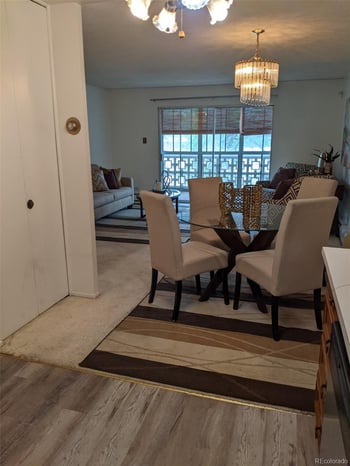
$190,000
Active
2
Beds
2
Baths
1200
Sqft
129.75
Acres
650 S Clinton St #5C, Denver, CO 80247
MLS#: REC3915197
.jpg)


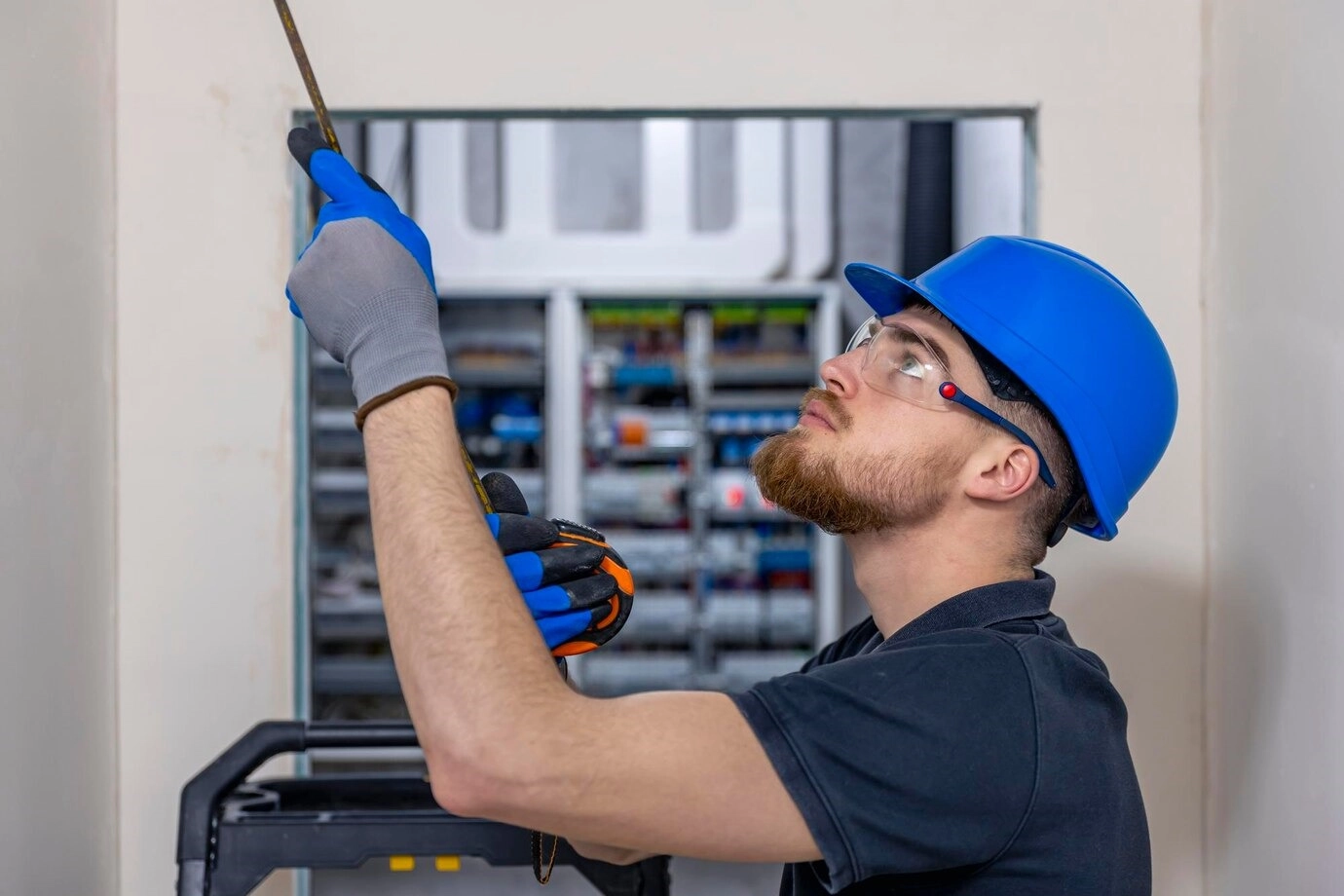
An outdated electrical panel is the single most common item that stalls a Colorado closing, not because the fix is expensive but because a lender or an insurance company can refuse to move forward until it is addressed. Knowing which electrical issues actually block a sale, and which are a minor line-item, changes how a Front Range buyer or seller prepares.
Federal Pacific Electric (FPE) and Zinsco panels, both common in homes built from the 1950s through the 1970s, have documented breaker failure rates that keep them from tripping during an overload. Most Colorado insurance carriers will not write or renew a policy on a home with one of these panels still in service, and a lender can require replacement as a condition of the loan. A panel with an FPE or Zinsco label is worth flagging before a home ever hits the market.
Homes built roughly 1965 to 1973 sometimes used aluminum branch-circuit wiring instead of copper, a period tied to a copper price spike. Aluminum wiring expands and contracts more than copper at the connection points, which loosens connections over time and raises fire risk at outlets and switches. A licensed electrician's fix, installing copper pigtail connectors (the "COPALUM" or "AlumiConn" method) at each connection, runs $8 to $15 per outlet or switch, far less than a full rewire.
A standard 200-amp panel upgrade runs $2,000 to $4,500 installed, including the permit and inspection. A home still running on a 100-amp panel, common in homes built before the 1980s, commonly needs the upgrade anyway to support central AC, an EV charger, or a heat pump, which makes the panel a pre-listing item worth timing intentionally rather than reacting to during a buyer's inspection.
Yes, most Front Range carriers decline or nonrenew a policy specifically over an FPE or Zinsco panel, and some also flag any panel over 40 years old for further review regardless of brand. A seller who confirms panel type and age before listing avoids a financing surprise during the buyer's own insurance shopping, which happens during the same window as the inspection objection period.
Yes. Denver and every Front Range city require an electrical permit and inspection for panel replacement, and most require one for circuit additions and significant rewiring as well. A licensed electrician pulls the permit as part of the job. Unpermitted electrical work is one of the more common findings on a Colorado seller's disclosure and one of the harder items to resolve quickly once a contract is under way.
Colorado's standard purchase contract sets an inspection objection deadline, commonly 8 to 12 days after acceptance, for a buyer to raise electrical findings and negotiate a repair or credit. A panel type, an aluminum wiring finding, or ungrounded outlets are common enough findings that a seller who already has documentation ready moves through that window faster than one caught off guard.
Current code requires ground-fault circuit interrupter (GFCI) protection in kitchens, bathrooms, garages, and outdoor outlets, and arc-fault circuit interrupter (AFCI) protection on most living-space circuits in new work. An older home is not automatically required to retrofit these unless other electrical work triggers a code upgrade, but a home inspector flags the absence anyway, and adding GFCI outlets runs $150 to $300 for a typical kitchen and bathroom set.
Knob-and-tube wiring, found in some Front Range homes built before the 1950s, has no ground wire and was not designed for modern electrical loads or for direct contact with modern insulation. Most Colorado insurance carriers decline coverage on a home with active knob-and-tube wiring, which makes it, like an FPE panel, a financing-blocking issue rather than a cosmetic one.
| Issue | Typical Front Range Cost | Financing/Insurance Impact |
|---|---|---|
| FPE or Zinsco panel replacement | $2,000 to $4,500 | Frequently required by insurer or lender before closing |
| Aluminum wiring pigtail repair (per connection) | $8 to $15 | Frequently requested by insurer; full home runs $800 to $2,500 |
| Knob-and-tube removal/rewire (partial) | $3,000 to $10,000+ | Frequently required by insurer for active circuits |
| GFCI outlet additions (kitchen and baths) | $150 to $300 | Common inspection request, rarely blocks financing |
A buyer's lender can require proof of permit closure on significant electrical work discovered during appraisal or inspection, which adds time to a closing if the seller cannot produce it. A title company also flags unpermitted work tied to fire and shock protection, and resolving it after a contract is signed is slower and more expensive than addressing it before listing. Electrical work is a paid-partner topic on this site through providers such as The Local Electrician; you are free to hire any licensed Colorado electrician for panel or wiring work.
Newer Front Range homes see fewer panel-brand issues but still turn up findings: improperly labeled breakers, missing AFCI protection on a remodeled circuit, or a panel that is already at capacity after a homeowner adds a hot tub or EV charger without an electrician's load calculation. A licensed electrician's load calculation before adding a major appliance avoids an overloaded panel finding at resale.
A documented, permitted 200-amp panel with no FPE, Zinsco, aluminum, or knob-and-tube findings removes one of the most common financing obstacles a Colorado buyer's lender or insurer raises. The Kenna Real Estate Group's Smart Pricing Report factors panel type and age into a home's list price, since it directly affects how easily a buyer can insure and finance the purchase.
An FPE panel, active knob-and-tube wiring, or unaddressed aluminum wiring findings are worth resolving before listing, since they can block a buyer's financing outright rather than simply becoming a negotiating point. Minor items like missing GFCI protection are reasonable to price around instead. Review the full pre-listing electrical checklist in the Colorado Home Seller's Guide.
Ask for the printable Colorado electrical pre-listing checklist in the form below and we email it the same day.
The Kenna Real Estate Group checks panel type, permit records, and wiring age as part of every Front Range listing and every buyer's offer, since those items directly affect financing and insurance. Call or text 303-955-4220. A live person answers. Not a robot, not a phone tree. Ready to see what a well-documented home is worth on today's market? Search every home for sale in Colorado.
Questions about any home in Colorado? Call or text 303-955-4220. A live person answers.
Both have documented breaker failure rates. Most Colorado insurance carriers decline to cover a home with one still in service, and a lender can require replacement before closing.
Aluminum branch wiring from roughly 1965 to 1973 loosens at connection points over time, raising fire risk. A pigtail repair at each connection, $8 to $15 per point, resolves it without a full rewire.
A standard 200-amp panel upgrade runs $2,000 to $4,500 installed, including the required permit and inspection.
Yes. Denver and every Front Range city require an electrical permit and inspection for panel replacement and most significant wiring work.
Yes. Most Colorado insurance carriers decline to cover a home with active knob-and-tube wiring, which makes it a financing obstacle rather than a simple repair item.
The contract's inspection objection deadline, commonly 8 to 12 days after acceptance, is when electrical findings need to reach the buyer to negotiate a repair or credit.
A documented, permitted panel with no insurer-flagged issues removes a common financing obstacle and factors into a Smart Pricing Report the same way other major systems do.
Yes, when it is an FPE, Zinsco, or otherwise insurer-flagged panel, since it can block a buyer's financing outright rather than becoming a minor negotiating point.