.jpg)


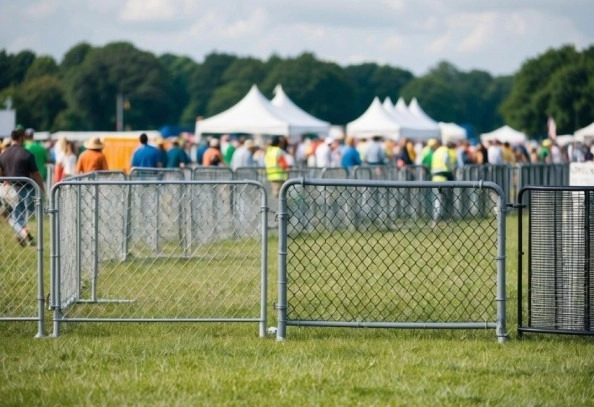
Outdoor festivals bring excitement and fun but also need careful planning to keep everyone safe. I've seen firsthand how temporary fencing can make a big difference. For example, a temporary fence rental in Denver can help control crowds, manage entry points, and create secure areas at events of all sizes.
As an event organizer, I always prioritize temporary fencing. It allows me to set up clear paths for people to move around and helps prevent overcrowding in any one spot. This keeps guests happy and makes it easier for staff to do their jobs.
Temporary fencing isn't just about safety - it also helps the event run smoothly. I can use it to create VIP areas, set up food and drink stations, or block off areas that aren't ready for guests yet. It's a simple tool that solves many problems at once.
Key Takeaways
- Temporary fencing improves safety and crowd control at outdoor festivals
- It helps create organized spaces for different event areas and activities
- Portable barriers offer flexibility for various event sizes and layouts
Importance of Safety and Security at Outdoor Events
Safety and security are top priorities for any outdoor festival. Proper measures protect attendees and staff while creating a positive experience for everyone. Let's look at key ways to keep events secure.
Creating a Secure Perimeter
Temporary fencing is crucial for setting up a safe event space. I recommend using sturdy fencing to mark clear boundaries. This keeps unauthorized people out and guides attendees to proper entry points.
Fencing also helps control where people can go inside the event. I suggest using it to block off restricted areas like backstage zones or equipment storage. This prevents accidents and protects valuable gear.
I advise adding features like privacy screens or anti-climb extensions to fences for maximum security. Strategically placed lighting and security cameras also boost safety.
Crowd Management and Access Control
Reasonable crowd control is essential for significant events. I find temporary fencing invaluable for guiding foot traffic and preventing bottlenecks. It creates clear pathways to different areas and helps spread out crowds.
Fencing is perfect for setting up queuing systems at entry points. This keeps lines organized and moving smoothly. I recommend using it to create separate lanes for ticket holders, VIPs, and staff.
Access control is vital for safety. Fenced areas with checkpoints let security staff monitor who enters and exits. This stops party crashers and helps track attendance numbers.
Ensuring Attendee Safety
Keeping guests safe should be the top goal. Temporary fencing plays a significant role here, too. I advise using it to separate pedestrian areas from vehicle traffic. This prevents accidents in parking lots or drop-off zones.
Fencing also creates safe spaces within the event. Examples include:
- First aid stations
- Lost and found areas
- Quiet zones for overstimulated guests
In emergencies, fenced pathways can quickly guide people to exits. I suggest marking these routes and keeping them obstacle-free.
Proper planning with temporary fencing boosts overall event security. It gives staff more control and helps attendees feel safe to enjoy the festivities fully.
Types of Temporary Fencing and Their Uses
Temporary fencing comes in various forms to meet different needs at outdoor festivals. Each type has unique features that suit specific areas and purposes.
Fence Panels and Barricades for Different Event Zones
Chain-link fence panels are a popular choice for large outdoor areas. They're substantial, see-through, and easy to set up. I often see them used to create boundaries around whole festival grounds.
Metal barriers work well for crowd control. They can guide people into lines or block off restricted areas. These barricades are sturdy but light enough to move quickly if needed.
Plastic mesh fencing is another option. It's lightweight and brightly colored, making it great for marking off smaller zones or creating paths through the festival.
VIP Areas and Vendor Booths
VIP sections need more privacy and style. I recommend using solid panel fencing here. It looks nicer and keeps the exclusive areas hidden from view.
For vendor booths, a mix of fencing types works best. Mesh panels can separate booths while allowing people to see inside. When the booth is closed, heavier barriers might be used at the front for security.
Some vendors might need extra protection. I suggest using taller fence panels with privacy screens attached in these cases.
Ready to Own Your Dream Home in Colorado?
Let us help you. Call or Text Kenna Real Estate Group at 303-955-4220 to get personalized assistance from our expert real estate agents. Find out what your home is worth in today's market.
Construction Sites Versus Outdoor Festivals
Construction sites and festivals have different fencing needs. At construction sites, safety is the top concern. Tall chain link fences with covers are standard. They keep people out and hide in the work area.
Festivals need more flexibility. The fencing should be easy to move and adapt. A mix of different fence types works best for festivals.
Festivals also need more entry and exit points. This means using gates that can open wide for crowds. Construction sites usually have fewer, more secure entrances.
Both need clear signs on their fences. However, festival signs are often more colorful and welcoming than the warning signs used at construction sites.
Advantages of Temporary Fencing Solutions
Temporary fencing offers many benefits for outdoor festivals. It's a wise choice that can save money and time while keeping events safe and organized.
Cost-Effectiveness and Flexibility
Temporary fencing is cheaper than permanent options. I can rent fences for just the days I need them, which cuts down on storage costs after the festival.
The fences are also flexible. I can move them around during the event, change the layout, or use different lengths to fit any space.
Fence rental companies often offer package deals. These can include setup and takedown. This saves me time and labor costs.
Customizable Solutions and Branding Opportunities
I can choose from many types of temporary fences, including chain-link, mesh, and panel options. Each has its look and use.
Some fences allow for branding. I can add banners or signs to them. This helps promote sponsors or give info to guests.
Custom colors are sometimes available. I can match the fence to my event theme. This makes the whole festival look more put together.
Ease of Installation and Dismantlement
Temporary fences are quick to set up. Most don't need special tools or skills. I can often install them myself with a small team.
Many fences come in pre-made sections. These sections snap or hook together quickly, speeding up the process even more.
Taking down the fences is just as simple. I can do it in a few hours. This means I can clear out quickly when the festival ends.
Some companies offer setup services. They can handle it all if I'm short on time.
Operational Considerations for Event Organizers
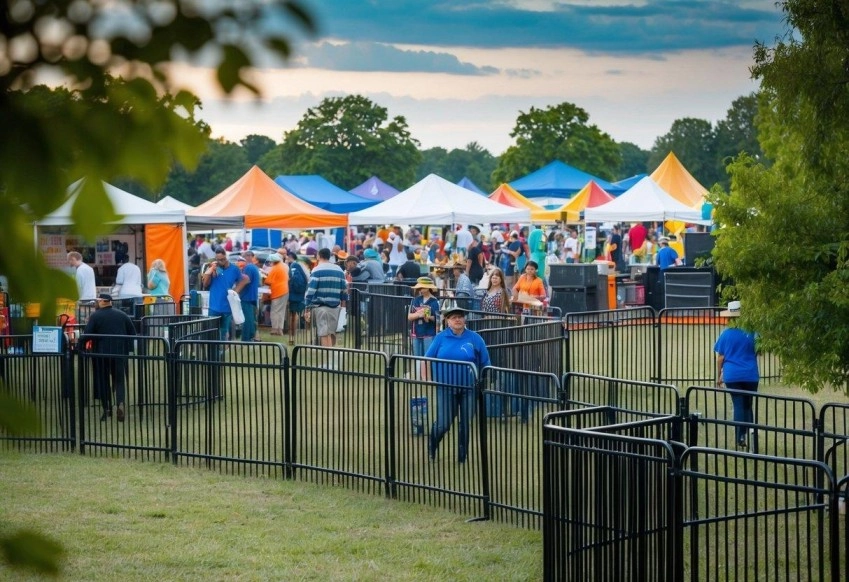
Event organizers need to think about several key aspects when using temporary fencing. These include managing access, setting up ticketing areas, and keeping out unwanted guests.
Managing Authorized Access and Security Purposes
I recommend using temporary fencing to create straightforward entry and exit points. This helps control the flow of people and makes security checks easier. Set up multiple access gates to prevent bottlenecks.
Event staff should have special passes or wristbands for quick entry. I advise placing security guards to check tickets and bags at each access point.
Fencing can also create secure areas for staff, performers, and VIPs, keeping these zones separate from general admission areas.
Queueing Systems and Ticketing Points
Temporary fencing is excellent for making organized queues. I propose using it to create lanes leading up to ticket booths or entry gates. This keeps lines orderly and moving smoothly.
Set up separate queuing areas for different ticket types for significant events. This could include VIP, general admission, and will-call lines.
Fencing can also form holding pens near the main entrance. These allow staff to check security before letting people into the event correctly.
Prevention of Unauthorized Entry
I strongly advise using temporary fencing to surround the entire event area. This stops people from sneaking in without paying.
Make sure there are no gaps in the fence line. I recommend regular patrols to check for any damage or break-in attempts.
Consider adding extra fencing layers in high-risk areas. This creates a buffer zone where security can catch trespassers before they reach the main event space.
Good lighting along the fence line is key for nighttime events. This helps security spot suspicious activity.
Related Articles
- 5 Outdoor Additions that Blend Functionality with Style
- 5 Tips for Choosing Outdoor Lights for Cold Climates
- New Home, New Yard: Outdoor Space Design Tips for New Homeowners