New - 5 Hours Ago

$470,000
Coming Soon
4
Beds
2
Baths
1569
Sqft
0.23
Acres
6512 Solar Ct, Fort Collins, CO 80525
MLS#: IR1071221
.jpg)


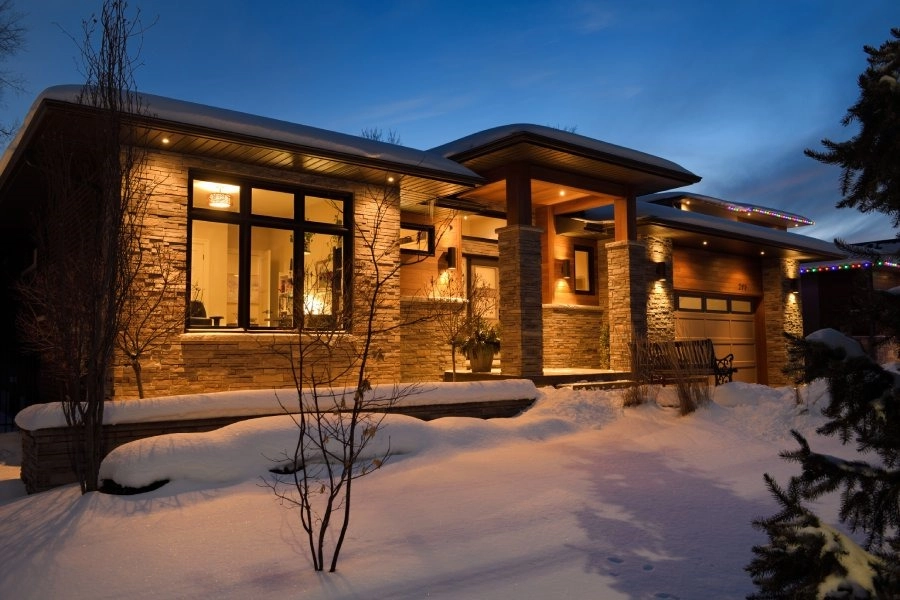
Pick outdoor fixtures rated for at least -20°F, sealed to an IP65 rating or higher, and built with metal or UV-stabilized housings. That combination is what survives a Front Range winter without cracked lenses, corroded sockets, or a dead driver board by February.
A fixture rated for "outdoor use" in a big-box aisle was tested for rain and average cold, not for what a Denver, Castle Rock, or Fort Collins yard actually delivers. Front Range homes get three things at once: 300 days of sun a year with intense UV at 5,280 feet and higher, temperature swings of 40 degrees or more in a single day, and repeated freeze-thaw cycles that expand and contract water trapped in a fixture's seams.
UV at altitude breaks down plastic lenses and housings faster than the same fixture would degrade at sea level. A polycarbonate globe that would last eight years in a coastal climate can chalk, yellow, or crack within three or four Colorado summers. Freeze-thaw does the rest: water that gets past a gasket freezes overnight, expands, and widens the gap it came through. By the third or fourth cycle, that gap is a leak path straight to the wiring.
Match the fixture to the job instead of guessing:
A 2,700K to 3,000K warm-white color temperature reads as inviting on a snowy Highlands Ranch or Castle Rock street; anything above 4,000K looks clinical against snow and can draw HOA complaints in some communities.
LED fixtures start instantly at temperatures that make incandescent filaments and older CFL ballasts struggle, and they draw a fraction of the power. A 12-watt LED flood puts out roughly the same light as a 75-watt incandescent bulb, which matters when a Denver homeowner runs six to ten fixtures through December and January. The driver electronics inside a quality LED fixture are the failure point in cold climates, so buy from a brand that publishes an operating range down to -20°F or lower rather than a generic "outdoor rated" label. Fixtures built for the outdoors should thrive in different weather conditions, not just look weatherproof in a showroom.
An IP65 rating means a fixture is sealed against dust and low-pressure water jets from any direction, which covers wind-driven snow and sleet. Fixtures mounted where snow can pile against them, such as low path lights near a driveway a plow will pass, need IP66 for higher-pressure water resistance. Anything submersible, like a pond or fountain light, needs an IP67 or IP68 rating.
Cast aluminum and solid brass housings shrug off freeze-thaw far better than stamped metal or thin plastic. On concrete-mounted post lights, use a base that allows for slight ground movement; Front Range soils along the I-25 corridor include expansive bentonite clay, and a rigid base set directly in that soil can crack or heave over a few winters. A flexible conduit connection at the base, instead of hard-piped PVC, keeps a shifting post from snapping the wire connection underground.
Colorado's winter road treatment, magnesium chloride, travels farther in wind and splash than most homeowners expect. Fixtures within 15 to 20 feet of a street or a driveway that gets de-icer should use stainless steel or brass hardware rather than plain steel screws, which rust through in one or two seasons. Rinse fixtures near the curb during a January thaw to clear off accumulated residue, the same de-icer spray that shows up in the Denver utility providers and costs guide.
Solar path lights perform better in Colorado than in cloudier climates because of the 300 sunny days, but snow cover on the panel is the limiter, not cold temperatures. A solar fixture buried under snow for a week produces almost no charge. Mount solar panels at an angle that sheds snow, or choose a hybrid fixture with a small battery reserve that carries it through a multi-day storm.
Many Front Range HOAs and metro districts regulate exterior lighting: fixture style, maximum lumens, whether uplighting is allowed, and hours of operation for landscape lighting. Mountain towns such as those near Idaho Springs and several unincorporated Jefferson County areas apply dark-sky ordinances that cap fixture output and require full cutoff shielding so light points down, not into the sky. Check the community's architectural guidelines through the Denver HOA rules and fees guide or the county planning office before installing anything beyond a straightforward one-for-one bulb swap.
Swapping an existing fixture for a new one on the same circuit does not require a permit in most Front Range jurisdictions. Adding a new outdoor circuit, a new exterior outlet, or a dedicated line for landscape lighting does, in Denver and in most Front Range cities and counties. An unpermitted circuit is one of the items a home inspector calls out, and it becomes a disclosure question during a future sale.
Xcel Energy runs seasonal rebate programs on qualifying LED fixtures and smart, motion-triggered lighting for Colorado customers. Rebate amounts and eligible products change by season, so check the current Xcel Energy marketplace before buying a full set of fixtures; a $10 to $20 per-fixture rebate on a whole-house relight adds up fast.
Working exterior lighting is one of the lower-cost items on a pre-listing punch list and one buyers notice on an evening showing. A Front Range seller preparing to list should test every fixture, replace anything with a cracked lens or a burned-out driver, and confirm GFCI outlets trip and reset properly; a licensed electrician can knock out a whole-house check in an afternoon as part of the broader preparing and adding value before selling checklist. Because Colorado's standard inspection objection deadline falls within the first 10 days after an accepted contract in most purchase agreements, exterior electrical issues found during that window come back as a repair request or a price adjustment, so it is cheaper to fix lighting before the first showing than after an inspection.
Whether exterior lighting is one line on a longer pre-listing checklist or a first pass at getting a Front Range home ready for the market, the Kenna Real Estate Group walks Colorado sellers through what to fix first and what to skip. Call or text 303-955-4220. A live person answers. Not a robot, not a phone tree. Ready to browse instead? Search every home for sale in Colorado, or see how a Smart Pricing Report values a specific address.
Questions about any home in Colorado? Call or text 303-955-4220. A live person answers.
IP65 at minimum for anything exposed to wind-driven snow; IP66 for fixtures where snow piles against them, such as low path lights near a plowed driveway.
Yes, quality LED fixtures start instantly in single-digit temperatures and use a fraction of the power incandescent bulbs use. Buy a brand that publishes an operating range to -20°F or below.
UV exposure at 5,280 feet and higher breaks down plastic lenses and housings faster than at sea level. A fixture that would last eight years elsewhere can crack or yellow within three or four Colorado summers without UV-stabilized materials.
Swapping an existing fixture on the same circuit does not require a permit in most Front Range cities. Adding a new outdoor circuit or a dedicated landscape lighting line does, in Denver and most Front Range cities and counties.
Xcel Energy runs seasonal rebate programs on qualifying LED and motion-sensor fixtures. Amounts and eligible products change by season, so check the current Xcel Energy marketplace before a whole-house relight.
Several Colorado mountain communities and some unincorporated county areas apply dark-sky ordinances that cap fixture output and require shielding so light points down instead of into the sky. Check local rules before installing anything beyond a like-for-like bulb swap.
Solar panels charge well during Colorado's 300 sunny days a year, but snow covering the panel for several days cuts output to nearly nothing. Angle panels to shed snow or choose a fixture with battery reserve.
Yes. Working exterior lighting is a low-cost item buyers notice at an evening showing, and a licensed electrician can test every fixture and outlet in an afternoon before the home goes on the market.


