New - 30 Mins Ago
.jpg)


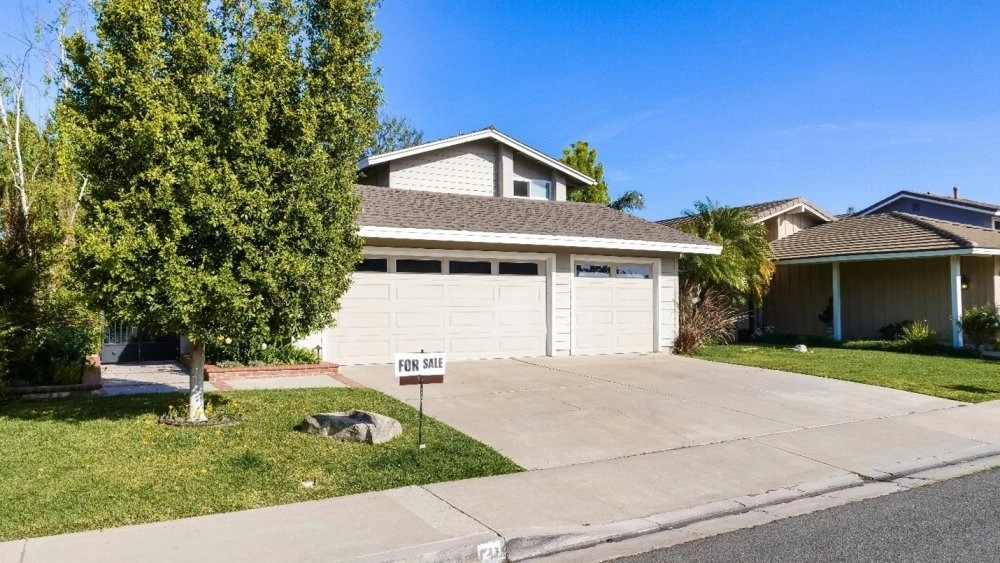
First-time buyers in Colorado lose money in ten places: a budget built on the list price alone, no pre-approval, ignoring metro district taxes, skipping the sewer scope and radon test, waiving inspection to win, forgetting hail and roof age, picking a neighborhood from a photo, underestimating closing costs, draining savings for the down payment when Colorado assistance exists, and mis-timing the move. Each one costs $2,000 to $20,000 on a Denver metro purchase. This guide fixes all ten for Front Range buyers.
The Denver metro median closed price sat in the $580,000 to $620,000 band through 2025 and 2026 (DMAR). At that price the payment, not the price, decides what you can afford. Add principal and interest, property tax, homeowner's insurance, mortgage insurance under 20% down, HOA dues and metro district mills, then keep the total at or under 30% of gross monthly income. On a $550,000 home with 5% down the all-in payment runs $4,200 to $4,900 a month in 2026, and $200 to $600 of that is tax and insurance most buyers never modeled. Our Colorado first-time buyer guide has the worksheet.
Colorado listing agents ask for a pre-approval letter with every offer, and since August 2024 Colorado buyers sign a written buyer agreement before an agent shows a home. A pre-approval takes 24 to 72 hours, costs nothing, and tells you the exact loan amount, rate and payment before you fall for a house $60,000 out of reach. Mike Oswald, VP of Mortgage Lending at Rate, issues pre-approvals for Kenna Real Estate Group buyers with FHA, VA, conventional and CHFA programs. Start on the Colorado mortgage pre-approval guide and compare programs on the Colorado financing page.
Many of our buyers use Mike Oswald at Rate and trust him. You are free to use any lender you choose, and the Kenna Real Estate Group receives nothing for the introduction. Mike Oswald, NMLS 261003 · Rate, Inc., NMLS 2611 · Equal Housing Lender.
A metro district is a special taxing district that repaid the developer's roads, water and parks with a mill levy on every home, on top of the county and city line items you already expect. In Parker, Castle Rock, Aurora, Commerce City, Erie, Thornton and Brighton subdivisions built after 2000, the district adds $2,000 to $5,000 a year to property tax, which is $170 to $420 a month on the payment. Two identical homes a mile apart carry different tax bills for this reason. Pull the county assessor's tax detail before you write the offer; our Denver special districts and property tax guide shows how to read it.
| Cost most first-time buyers miss | Denver metro range |
|---|---|
| Homeowner's insurance (hail zone) | $2,500 to $5,000 a year on a $550,000 home |
| Metro district mills | $2,000 to $5,000 a year where they apply |
| HOA dues | $30 to $150 a month for a house, $250 to $600 for a condo |
| Xcel Energy gas and electric | $150 to $300 a month averaged over the year |
| Water and sewer (Denver Water or district) | $60 to $150 a month, higher in summer |
| Maintenance reserve | 1% of the home value a year ($5,500 on $550,000) |
Insurance is the one that surprises Front Range buyers most. Hail season runs May to September, and insurers price Colorado roofs by age and material. A roof over 15 years old raises the premium or gets a roof-replacement condition at binding. Read the real cost of living on the Front Range for the full monthly picture.
Drive the commute at 7:45 am and 5:15 pm before you offer. I-25 from Castle Rock to the Tech Center runs 45 to 70 minutes at rush hour, and the same drive is 25 minutes at noon. Then check what a first-time buyer in Colorado checks: distance to parks and trails, the walk to a grocery store, the RTD line, and whether the street has an HOA or a metro district. Our explore pages list every home for sale by city: Aurora, Lakewood, Thornton, Littleton and Denver carry the most homes under $550,000 in the metro.
A general inspection in the Denver metro costs $400 to $700 and misses the three items that cost the most:
On bentonite clay soils in south Denver, Highlands Ranch, Aurora and Castle Rock, add a structural engineer at $400 to $800 when the inspector notes foundation cracks or a heaved slab. Our radon and the Denver home purchase post explains the test window.
Do not waive inspection on a first home. The Colorado Contract to Buy and Sell gives you an Inspection Objection deadline, 7 to 10 days on most Denver metro contracts, and an Inspection Termination deadline that returns your earnest money if you walk. Waive those and a $15,000 sewer line is yours. When competing, shorten the deadline to 5 days, offer an inspection-for-information-only clause with a termination right, or raise earnest money instead. The making an offer on a Colorado home page lists every deadline on the contract.
Colorado buyers pay 2% to 3% of the price in closing costs and prepaids: $11,000 to $16,500 on a $550,000 home. That covers lender fees, title insurance, the appraisal, recording, the first year of homeowner's insurance, and 2 to 6 months of tax and insurance escrow. Seller concessions are allowed up to 3% on conventional loans with under 10% down and 6% on FHA, and Denver metro sellers in 2026 agree to $5,000 to $15,000 in concessions on most homes over 30 days in MLS. The Colorado closing costs guide itemizes every fee.
CHFA, the Colorado Housing and Finance Authority, pays down payment assistance as a grant or a second loan to buyers under its income limits, which cover most first-time buyers in the Denver metro. FHA takes 3.5% down, conventional takes 3% for first-time buyers, and VA takes 0% for eligible veterans. Metro Denver's metroDPA program and city programs in Denver, Aurora and Colorado Springs add more. Keep 3 months of payments in reserve after closing; buyers who put every dollar into the down payment hit the first furnace repair with a credit card. Buyers with credit under 640 start with Kenna Credit Care, which repairs the score before the pre-approval. See first-time homebuyer programs in Denver for every program by name.
Colorado closings fund and record on the same day, and possession transfers at recording unless the contract says otherwise, so book the mover for the day after closing, not the day of. Local movers on the Front Range charge $130 to $200 an hour for a two-person crew and truck; a 2-bedroom apartment to a house across the metro runs $800 to $1,800. June, July and the last weekend of every month book out 3 to 4 weeks ahead. Denver requires a permit to reserve street parking for a moving truck in the central neighborhoods; our Denver parking permits guide explains it. Winter moves cost less and the trucks are available, but plan for snow on the ramp.
Condos and townhomes in the Denver metro list $150,000 to $250,000 below detached homes in the same ZIP, and the trade is HOA dues of $250 to $600 a month plus the risk of a special assessment. Ask for the HOA's reserve study and the last 12 months of board minutes before the objection deadline. Read the Denver HOA rules and fees guide and the Colorado condos for sale page before you compare.
The Kenna Real Estate Group at Keller Williams DTC takes first-time Colorado buyers from pre-approval to keys: the payment worksheet, the metro district check on every address, the sewer scope and radon test on every contract, and an offer written to win without waiving the protections. Call or text 303-955-4220. A live person answers. Not a robot, not a phone tree. Then search every home for sale in Colorado and save the ones you want to see.
Questions about any home in Colorado? Call or text 303-955-4220. A live person answers.
3% on a conventional first-time buyer loan, 3.5% on FHA, 0% on VA. On a $550,000 Denver metro home that is $16,500 to $19,250, and CHFA down payment assistance covers part or all of it for buyers under the income limits.
580 for FHA with 3.5% down, 620 for most conventional loans, and 740 or higher for the best rate. Kenna Credit Care works with buyers under 640 before the pre-approval.
1% to 2% of the price, $5,500 to $11,000 on a $550,000 home, held by the title company. It comes back if you terminate by an inspection, appraisal or loan deadline in the Colorado contract.
30 to 35 days from contract to closing with a mortgage; 7 to 14 days with cash. Colorado closings fund and record the same day, and you get keys at recording.
The buyer agreement states the fee, and most Denver metro sellers still pay it as a concession in the contract. Ask the listing side what the seller offers before you write.
Yes on a home with a furnace, water heater or appliances over 10 years old. A one-year plan costs $500 to $800 and sellers add it as a concession when asked.
October through February. Inventory is lower but competition drops, sellers concede more, and homes over 30 days in MLS accept 2% to 4% under list.
Yes. Lenders count 0.5% to 1% of the student loan balance as a monthly payment when the loan is deferred, and the actual payment when it is in repayment, inside the 43% to 50% debt-to-income cap.