Open: Sat 12:00 PM - 2:00 PM
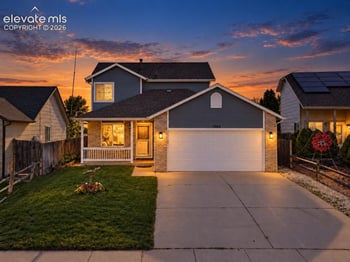
$400,000
Coming Soon
4
Beds
4
Baths
1852
Sqft
0.11
Acres
1040 Red Brooke Dr, Colorado Springs, CO 80911
MLS#: 2124370
.jpg)


If you bought a home in Colorado two or three years ago with a 2-1 buydown, your payment is about to hit the full rate, and mortgage rates never dropped like everyone expected. Agents in south Denver, Littleton, Highlands Ranch and Parker report homeowners who locked near 7% now facing year three with no refinance and little equity. Here is what the jump costs, and the six ways Colorado homeowners are handling it.
Call or text 303-955-4220. A live person answers. Not a robot, not a phone tree.
2 points Year 1 discount The rate starts 2 percentage points below the note rate | 1 point Year 2 discount Then 1 point below |
Full rate Year 3 onward The payment the loan was written at | 7.49% Rates this month The highest 30-year rate in almost three years |
A 2-1 buydown is a temporary discount, not a lower rate. A seller or builder pays money into an account at closing, and the lender uses it to lower your payment: 2 points off the rate in year one, 1 point off in year two, then the full note rate for the rest of the loan. Builders in the south metro used them heavily in 2023 and 2024 to sell new homes at 7% rates. The bet was that rates would fall and owners would refinance before year three. Rates did not fall: the 30-year rate hit 7.49% this month.
Monthly principal + interest on a $450,000 loan at a 7% note rate
That is $578 a month more than year one, $6,936 a year, before any rise in property taxes or insurance. Colorado property tax bills and homeowners insurance premiums both rose in the same period, so the escrow part of the payment climbed too.
A refinance only helps if the new rate is below your note rate. With 30-year rates at 7.49% (see Colorado mortgage rates today), a 7% note rate is already the better deal. And many owners who bought with a small down payment do not have the equity a refinance needs, because south Denver prices are flat to down since 2023.
Take a $500,000 home bought in 2023 with 3.5% down on an FHA loan. The loan starts at about $490,900 after the upfront mortgage insurance is added. Three years of payments bring it to about $475,000. If the home sells for the same $500,000 today, selling costs of 6% to 7% leave about $467,500, which is $7,500 short of the payoff. That owner has to bring money to closing to sell.
Expect more listings from 2023-2024 buyers, more short sales, and a rise in foreclosure filings in the new-build suburbs where buydowns were most common. Three things happen at once when buydowns expire:
Who feels the year-three jump first
For buyers this means more choice in south metro new-build communities and sellers ready to deal. For owners in trouble it means acting early: a sale or short sale before a foreclosure filing protects credit and keeps choices open. See Colorado foreclosure homes and short sale help.
Your year-three payment was on the closing disclosure. Pull it out, add the new escrow amount from your servicer, and set the budget before the first full payment arrives.
If you refinance or sell before the buydown ends, any money left in the buydown account goes back toward your loan, according to the buydown agreement. Read yours.
A lower assessed value and a re-shopped policy lower the escrow half of the payment. Both are the fastest money most owners find.
If the full payment does not work long term, the best time to sell is before you fall behind. Get a free home value report or a Smart Pricing Report to see your number today, and read how to sell your house fast in Colorado.
Some owners move and rent the home for what the full payment costs. Run the rent numbers before you list: see rent or buy in Colorado.
A short sale lets the lender accept less than the payoff, and it does far less damage than a foreclosure. Start with Colorado short sale help or a Denver short sale realtor. Talk to your servicer about a loan modification at the same time.
Buying now? Skip the buydown trap
A buyer today has a better tool than a temporary buydown: an assumable mortgage at a 3% or 4% rate that lasts the life of the loan, or a permanent rate buydown paid at closing. Ask for the payment in year three before you sign anything.


The payment rises to the full note rate in year three and stays there for the life of the loan. On a $450,000 loan at 7%, principal and interest go from $2,416 in year one to $2,994 in year three.
Yes, when today's rates are below your note rate and you have the equity the new loan needs. With 30-year rates at 7.49% in October 2026, a 7% note rate is already lower than a refinance.
The balance left in the buydown account goes back toward your loan payoff or principal under most buydown agreements. Read your agreement and ask your servicer.
Re-budget first, appeal the tax value and re-shop insurance, then decide early: sell while you have equity, rent the home, or talk to your servicer and a short sale specialist before you miss a payment.
Only with a plan for the year-three payment that does not depend on rates falling. A permanent buydown or an assumable low-rate loan protects the payment for the life of the loan.
Call or text 303-955-4220. A live person answers. Not a robot, not a phone tree.
Brian Lee Burke, the hardest working man in real estate
Kenna Real Estate Group at Keller Williams DTC. Helping You With Your Pad™ since 2002.