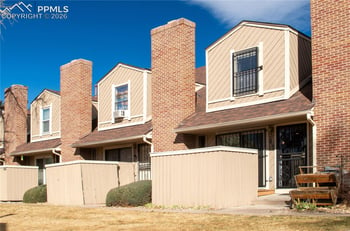
$345,000
Pending
3
Beds
2
Baths
1538
Sqft
0.0202
Acres
3300 W Florida Ave #48, Denver, CO 80219
MLS#: 9397860
.jpg)


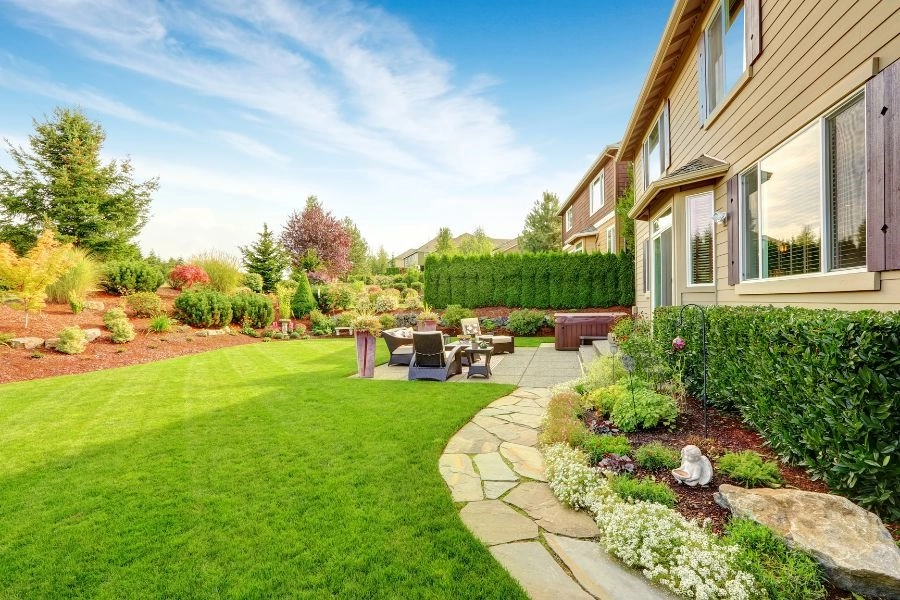
A fire pit, new fencing or an outdoor living space all modernize a Front Range backyard, but Colorado wind, wildfire rules near the foothills and city permit requirements change how each one gets built here compared with a milder, calmer climate.
Most Front Range cities allow a small, contained fire pit without a permit, but a built-in gas line or a larger permanent structure commonly needs one, and open burning is restricted or seasonally banned in unincorporated areas and the foothills during dry, high-wind stretches. Check current fire restrictions with your county before installing or using a wood-burning pit.
Homes near the foothills sit inside or close to a wildfire defensible-space zone, where local rules commonly restrict open burning and require clearance around any fire feature from dry grass, mulch and low branches. A gas-fueled fire pit with a shutoff valve is the more practical choice in these areas over a wood-burning pit.
Wind gusts of 30 to 40 mph or more are routine along the Front Range, especially near the foothills, and solid-panel wood fences take the most wind load. Vinyl fencing and metal picket-style designs let wind pass through and hold up better in high-wind corridors than a tall solid panel fence does.
Most Front Range cities require a permit for a new or replacement fence over a set height, commonly around 6 feet, and setback rules from the property line apply regardless of height. Check with your city or county building department and your HOA's design guidelines before ordering materials.
A covered patio, pergola or outdoor room needs a roof structure rated for Front Range snow load, which piles up fast even in a single storm. A structure built to a warmer-climate spec can sag or fail under a heavy, wet spring snowfall, so confirm the design meets local snow-load code before building.
Many Front Range HOAs and metro districts set rules on fire pit type, fence material and height, and the footprint or roofline of an outdoor room. Confirm design review requirements before you buy materials; a project built without approval can require a costly re-do during a future sale.
Fencing and outdoor living spaces tend to show well in listing photos and matter to Front Range buyers who spend a large share of the year outdoors given Colorado's roughly 300 days of sun. Our preparing and adding value before selling guide covers which exterior upgrades buyers respond to most in this market.
Any poured foundation or footing for an outdoor living space needs to go below the frost line and account for Front Range clay's tendency to expand and contract with moisture changes, or the slab and any attached structure can crack or shift within a few years. Ask a contractor how the footing design accounts for local soil before signing a contract.
Metal roofing, impact-rated shade structures and hail-resistant furniture cushions hold up better through a Front Range spring and summer than lighter fabric awnings or thin polycarbonate panels. Ask about hail ratings on any roofing or shade material before installing a permanent structure that will sit exposed through hail season every year.
A basic fire pit and seating area commonly runs a few hundred to a couple thousand dollars depending on materials, a full fence replacement on an average lot runs several thousand dollars depending on length and material, and a covered outdoor living space with a snow-rated roof structure can run well into five figures. Phasing the work, fencing first, then a fire pit, then a covered structure, spreads cost across more than one season.
A permanent structure, a built-in fire feature or added square footage under roof can change your coverage needs and sometimes your premium, so check with your insurance provider before or right after a major backyard project. Keep permits and contractor documentation on file; insurers and future buyers both commonly ask for them.
Front Range buyers touring in the warmer months put real weight on backyard photos and the in-person walk-through, since the outdoor space is where a household spends much of a roughly 300-sun-day year here. A finished, current-looking backyard can shorten time on market compared with a dated or storm-worn one, particularly in neighborhoods where comparable listings show updated outdoor spaces.
Sellers disclose known material defects, and an unpermitted fire pit gas line, a fence built over a property line, or storm-damaged structures are common items a buyer's inspector flags. Resolve permit gaps and property-line questions before listing rather than during the inspection objection deadline, when a buyer has limited time to negotiate repairs or walk away.
A dated but structurally sound backyard rarely needs a full modernization before selling; smaller fixes like fresh fencing paint, a clean fire pit area and tidy landscaping commonly move the needle more per dollar spent than a full outdoor room build. Our pricing your Colorado home to sell guide and Smart Pricing Report can help you weigh a project cost against expected return before you commit to it.
Fencing itself carries little snow load, but gates and fence-mounted structures like an attached pergola section need hardware rated for wind and the weight of wet, heavy Front Range spring snow piling against a solid panel. Ask a fence contractor how the design handles both wind load and any attached roof or shade element before signing off on plans.
Homes inside a wildfire defensible-space zone commonly see recommendations against combustible fencing material directly attached to the house, favoring metal or masonry near the structure with wood sections farther out in the yard. Ask your local fire district for current guidance before finalizing fence material on a foothills-adjacent lot.
Whether you are modernizing a backyard before listing or comparing outdoor space on Front Range homes you are touring, the Kenna Real Estate Group can tell you what buyers here actually pay attention to. Call or text 303-955-4220. A live person answers. Not a robot, not a phone tree. Or search every home for sale in Colorado right now.
Questions about any home in Colorado? Call or text 303-955-4220. A live person answers.
A small, contained fire pit commonly needs no permit, but a built-in gas line or larger permanent structure does; check current fire restrictions with your county first.
Vinyl and metal picket-style fencing let wind pass through and hold up better in high-wind corridors than a tall solid wood panel fence.
Yes. A roof structure rated for local snow load is required; a warmer-climate spec can sag or fail under a heavy spring snowfall.
Yes, especially during dry, high-wind stretches inside a wildfire defensible-space zone; check current county fire restrictions before using a wood-burning pit.
Many Front Range HOAs and metro districts do; confirm design review requirements before buying materials to avoid a costly re-do later.
Both tend to show well in listing photos and matter to buyers who spend much of the year outdoors given Colorado's roughly 300 days of sun.