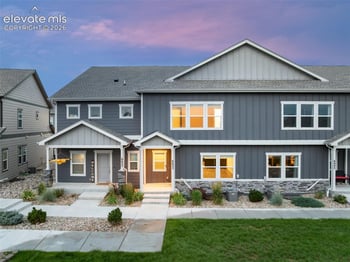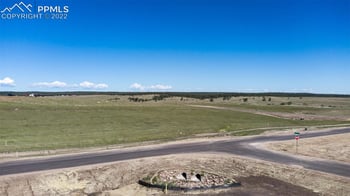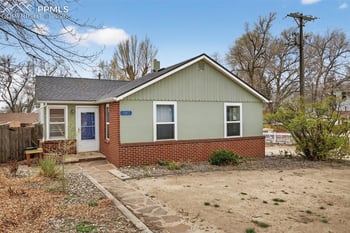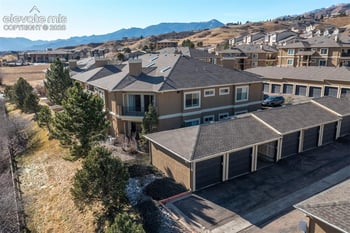
$315,000
Active
2
Beds
2
Baths
1111
Sqft
0.017
Acres
1965 Montura Vw #202, Colorado Springs, CO 80919
MLS#: 6913872
.jpg)


Colorado's hail season runs from spring through September, and the Front Range corridor from Colorado Springs to Fort Collins sits inside one of the most hail-prone stretches in the country. Impact-rated windows, built to the same Class 4 standard used for hail-resistant roofing, hold up to that corridor's storms and can lower a homeowners insurance premium at the same time.
An impact-rated window uses laminated glass, a tough interlayer bonded between two glass panes, so a hailstone that would shatter standard tempered glass into an opening instead leaves the glass cracked but intact in the frame. That distinction matters for a Front Range storm that can drop golf-ball to baseball-size hail in minutes: an impact-rated window keeps wind and water out of the house after impact instead of leaving an open hole.
UL 2218 Class 4 is the impact rating insurers and roofing contractors reference for hail resistance, tested by dropping a 2-inch steel ball onto the material and checking for cracks or punctures. Window manufacturers who publish a Class 4 or an equivalent independent hail-impact test result give a Front Range buyer a real comparison point instead of a marketing claim.
Several carriers writing homeowners policies in Colorado offer a premium discount for impact-rated or hail-resistant windows, sometimes bundled with a similar discount for a Class 4 roof. The discount amount and the documentation required, most commonly a contractor invoice or a manufacturer certification, vary by carrier, so a homeowner should ask the current insurer directly before assuming a specific percentage.
Denver requires a permit for window replacement when the new window changes the rough opening size, alters a structural header, or is installed in a home within a historic district. A straightforward like-for-like swap in the same opening, in a non-historic property, moves through a simpler permit process than a resize or a full reframe. Most Front Range cities and counties follow a similar structure; check the specific jurisdiction before scheduling installation.
Denver's historic districts, including areas of Baker, Capitol Hill, and other older Denver neighborhoods, review window replacement for style, material, and grid pattern to keep a home's street-facing appearance consistent with its era. Impact-rated windows are available in wood-clad and historically appropriate profiles, but the design review adds time to the project; start that approval process, outlined in the Denver ADU, zoning, and historic district guide, before ordering windows for a home inside a designated district.
An HOA or architectural review committee in many Front Range communities approves window frame color, grid pattern, and sometimes glass tint before installation. Submitting a product spec sheet with the impact rating alongside the standard HOA application, per the Denver HOA rules and fees guide, avoids a second round of review if the committee has questions about the frame material.
Denver's adopted energy code sets a maximum U-factor for replacement windows in climate zone 5B, requiring a U-factor of 0.30 or lower for the window to meet code on a permitted replacement in most cases. Most impact-rated windows sold for cold climates pair laminated glass with a low-E coating and gas fill that meets or beats that target, so the hail protection and the energy code requirement are not competing features.
Impact-rated replacement windows installed in the Denver metro run $700 to $1,500 per window for a standard double-hung or casement, compared with $400 to $900 for a comparable non-impact window. A full-house replacement of 15 to 20 windows lands between $12,000 and $28,000 depending on size, grid pattern, and whether historic district review adds custom profiles.
Colorado's adopted building code requires a bedroom egress window to meet minimum opening size and sill height regardless of impact rating, so an impact-rated window installed in a bedroom still has to clear the same net clear opening and maximum sill height above the floor. Confirm the exact model meets local egress requirements before ordering for a bedroom or a below-grade room used as a bedroom.
Newer, hail-rated windows are a selling point on a Front Range listing, particularly on a home that already had a storm-related roof claim, because they answer the buyer's next question before it gets asked. Sellers who replaced windows after a hail event should keep the contractor invoice and any manufacturer documentation to hand to a buyer during due diligence, one more line on the preparing and adding value before selling checklist.
Colorado's seller disclosure requires reporting known material defects, and a window cracked or pitted from a past hailstorm that was never repaired or claimed qualifies. Disclosing the claim history and repair status up front, rather than letting a buyer's inspector find it, keeps a hail-related issue from turning into a larger objection during the inspection period, and pairs well with a pre-listing Smart Pricing Report.
El Paso, Douglas, Arapahoe, and Adams counties sit inside a well-documented Front Range hail corridor, with Colorado Springs and the southeast Denver metro seeing some of the highest annual hail claim frequency in the state. Homes in this corridor benefit most from impact-rated glass, both for storm resistance and for the insurance discount some carriers offer specifically for that geography.
The laminated interlayer that stops hail also dampens sound, so an impact-rated window on a Front Range property near a busy corridor like Colorado Boulevard, Wadsworth, or I-25 frontage roads reduces traffic and wind noise more than a standard double-pane unit of the same thickness. That noise reduction is a secondary benefit rather than the reason to buy, but it is a real one on a lot with road exposure.
Colorado's 300 sunny days a year and intense UV at 5,280 feet and higher fade flooring, furniture, and artwork faster through unprotected glass than the same sun exposure at lower elevation. A low-E coating on an impact-rated window blocks a large share of that UV transmission while still passing visible light, which protects interior finishes without darkening the room the way aftermarket tint film can.
Window contractors across the Front Range book up fast in the weeks after a major hailstorm, when thousands of homeowners are filing claims at once. Replacing windows in the fall or winter, ahead of the spring-through-September hail window, gets a homeowner off that seasonal waiting list and onto a slower, more attentive install schedule.
A Front Range home inspector examines window seals for fogging between panes, a sign the seal has failed and the gas fill has escaped, along with frame condition, cracked glass, and whether each window opens and locks correctly. A cracked or pitted pane from a past hailstorm is a visible, specific finding that a buyer's inspector will note and a buyer will ask about directly.
Buying a Front Range home and wondering about its hail history, or selling one after a window claim and unsure what to disclose, the Kenna Real Estate Group has the local answer. Call or text 303-955-4220. A live person answers. Not a robot, not a phone tree. Ready to browse instead? Search every home for sale in Colorado.
Questions about any home in Colorado? Call or text 303-955-4220. A live person answers.
Laminated glass in an impact-rated window cracks under a direct hailstone hit but stays intact in the frame, unlike standard tempered glass, which can shatter into an opening during a Front Range storm.
UL 2218 Class 4, the same standard used for hail-resistant roofing, tested by dropping a 2-inch steel ball on the material and checking for cracks or punctures.
Several carriers offer a premium discount for impact-rated windows, sometimes paired with a Class 4 roof discount. Ask the current insurer for the exact discount and documentation required.
A like-for-like swap in the same opening in a non-historic home follows a simpler permit path. Resizing the opening, altering a header, or working in a historic district requires fuller review.
Roughly $700 to $1,500 per window, compared with $400 to $900 for a standard non-impact window. A full-house replacement of 15 to 20 windows runs $12,000 to $28,000.
Colorado seller disclosure requires reporting known material defects, including hail damage to windows that was never repaired or claimed. Disclosing claim history up front avoids a bigger objection later.
Denver's adopted energy code requires a U-factor of 0.30 or lower in climate zone 5B for a permitted replacement in most cases. Most impact-rated windows sold for cold climates meet or beat that target.
El Paso, Douglas, Arapahoe, and Adams counties sit inside a documented Front Range hail corridor, with Colorado Springs and the southeast Denver metro seeing some of the highest annual claim frequency in the state.