New - 3 Hours Ago

$620,000
Active
4
Beds
3
Baths
3495
Sqft
0.171
Acres
5766 Creekwood Ct, Colorado Springs, CO 80918
MLS#: 1330910
.jpg)


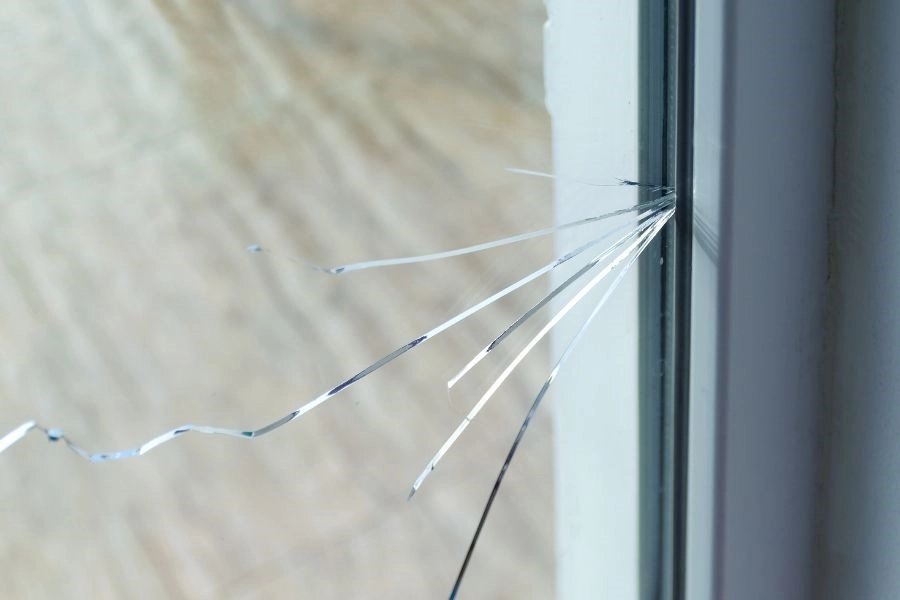
Colorado's hail season runs from spring through September, and a single afternoon storm along the Front Range can crack, pit or shatter residential glass in minutes. Protecting your windows means understanding when the risk is highest, what damages glass the rest of the year, and how quickly to act once a pane is cracked.
Hail season in Colorado runs from spring through September, with Denver, Aurora, Colorado Springs and the rest of the Front Range sitting inside a corridor that sees more large-hail days than almost anywhere else in the country. Storms build fast in the afternoon as warm air rises off the plains and collides with cooler air at altitude, and a hailstorm can move through a neighborhood in under twenty minutes while leaving cracked windows, dented siding and damaged roofs behind it.
Away from storm season, the most common cause of residential glass damage is landscaping. Mowing over gravel, mulch or loose rock without checking the yard first sends debris flying at high speed, and a single stone from a mower blade can crack a window pane instantly. Walk the yard before mowing near windows, clear rock and loose debris from planting beds close to the house, and keep trimmed branches away from glass doors and ground-floor windows where wind can drive them into the frame.
Shutters are not only decorative. Closing exterior shutters or impact screens ahead of a hail warning shields the glass from direct impact, and on the Front Range that single step prevents a large share of avoidable window claims. If your home does not have working shutters, a removable impact screen kit installed before hail season starts protects south- and west-facing windows, which tend to take the worst of a Colorado storm's approach path.
Colorado's low humidity and intense high-altitude UV exposure work against window seals and glazing putty over time. Dried-out, brittle seals let moisture and air infiltrate between panes, which shows up as fogging or condensation trapped inside a double-pane window. A seal failure is not the same as a crack, but it is the early warning sign that a window's protective barrier is compromised well before the glass itself breaks.
Once a window develops a crack or an open seal, repair it right away. A small crack from a hailstone or a mower-thrown rock spreads with every temperature swing, and the Front Range sees wide day-to-night and freeze-thaw temperature changes for much of the year that push small cracks into full pane failures. Fixing the issue while it is still a single crack costs a fraction of a full window replacement, and it keeps water and cold air from working their way into the frame and surrounding wall.
Most Colorado homeowners insurance policies cover hail damage to windows, siding and roofing as a standard covered peril, though deductibles and coverage limits vary by carrier and by policy year. Review your declarations page before storm season each spring, confirm your wind and hail deductible, and keep dated photos of your home's exterior on file so a future claim has a clear before-and-after comparison.
Not all residential glass performs the same in a hailstorm. Laminated glass, which sandwiches a plastic interlayer between two panes, resists cracking far better than standard annealed glass and is worth the upgrade on south- and west-facing windows that take the brunt of Front Range storms. Impact-rated glass costs more upfront than standard replacement panes, but for a home that has already filed one or two hail claims, it can reduce both future damage and insurance friction.
Replacing glass within an existing frame does not require a permit in most Front Range cities. Replacing the entire window unit, changing its size, or altering a structural opening does require a building permit in Denver, Aurora, Lakewood and most surrounding jurisdictions. Check with your city's building department before scheduling a full window replacement so the work passes inspection cleanly, particularly if you plan to sell within the next year or two.
A cracked or fogged window rarely kills a Front Range sale outright, but it does show up on a buyer's inspection report and becomes a line item in the inspection objection negotiation. Sellers who repair cracked glass, replace failed seals and disclose any past hail claims before listing avoid last-minute price reductions and keep the closing timeline on track. Colorado's seller disclosure requirements call for disclosing known material defects, so document any window repairs and keep receipts to share with a buyer's agent.
Mag chloride, used on Front Range roads and driveways during winter storms, can corrode metal window frames and hardware over time if it splashes or is tracked close to ground-floor glass. Rinse lower-level window frames and sills periodically through a snowy winter, especially on homes near a driveway or street where plow spray reaches the exterior wall.
Large expanses of glass, skylights and sliding glass doors face the sky and the storm's approach path directly, which makes them more exposed than a standard vertical window. A sunroom or a south-facing slider on a Highlands Ranch or Castle Rock home sees more direct hail impact than a smaller window tucked under an eave. Budget for impact-rated glass or a retractable screen on these larger openings first, since replacement cost runs higher on oversized panes and multi-panel sliding units.
Front Range homeowners who track storm dates, photos and any repairs build a useful record for both insurance claims and a future sale. Note the date of any hailstorm that hits your neighborhood, photograph the home's exterior the same day, and keep receipts for every repair. That log answers a buyer's question about storm history directly and supports an insurance claim if damage shows up later than expected, such as a slow seal failure that follows a hard hit.
If hail damage, an aging window or a pending sale has you weighing repair against replacement, the Kenna Real Estate Group can walk your Front Range home and tell you which fixes matter to a buyer and which ones can wait. Call or text 303-955-4220. A live person answers. Not a robot, not a phone tree. Ready to see what is on the market right now? Search every home for sale in Colorado.
Questions about any home in Colorado? Call or text 303-955-4220. A live person answers.
Hail season runs from spring through September, with Denver, Aurora and Colorado Springs sitting inside one of the most hail-prone corridors in the country.
Landscaping accidents. Mowers throw rocks and debris at high speed, and a single stone can crack a window pane instantly if the yard is not cleared before mowing.
Yes. Closing exterior shutters or impact screens ahead of a storm shields the glass from direct impact and prevents many avoidable window claims each season.
Right away. Front Range freeze-thaw swings and daily temperature changes spread a small crack quickly, and the repair cost rises the longer the glass sits damaged.
Most Colorado policies cover hail damage to windows as a standard peril, though the deductible and coverage limit vary by carrier. Confirm your policy details each spring before storm season.
Reglazing an existing frame does not require a permit in most Front Range cities. Replacing the full window unit or resizing the opening does require a permit in most Front Range cities.
It shows up on the buyer's inspection report and becomes part of the inspection objection negotiation. Repairing cracks and disclosing past hail claims before listing keeps the closing timeline on track.


