.jpg)


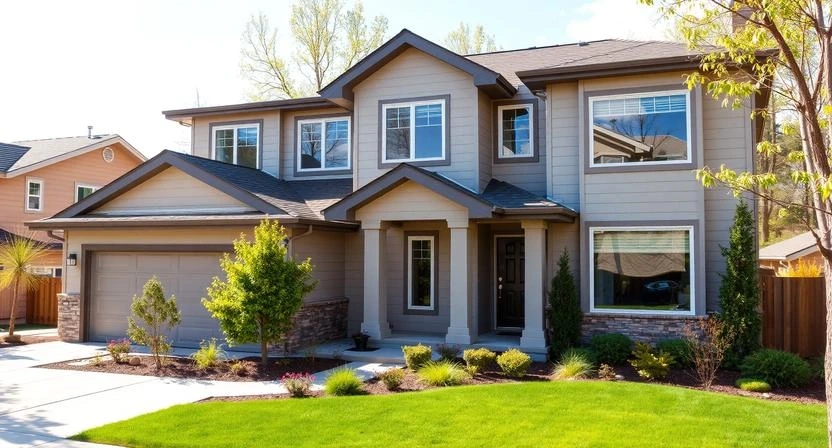
National resale data ranks fiber-cement siding first at over 100% cost recovery, windows second in the 70s, and a roof last at roughly 50 to 68%. On a Colorado home, that ranking only holds when all three are in sound condition. A roof, siding, or set of windows with real storm damage stops being an upgrade decision and becomes a condition item that an inspector flags and a buyer negotiates against, which changes the math completely.
Which Returns More at Resale: Roof, Siding, or Windows?
| Project | National resale value recovered |
|---|---|
| Fiber-cement siding | About 114% |
| Vinyl siding | About 97% |
| Vinyl window replacement | About 76% |
| Wood window replacement | About 70% |
| Asphalt shingle roof | About 68% |
| Metal roof | About 50% |
Fiber-cement siding is one of a small group of projects that return more than they cost, based on national cost-versus-value comparisons across dozens of markets. Vinyl siding nearly breaks even. Windows give back roughly three-quarters. A roof recovers about two-thirds on asphalt shingles, half on metal.
Why Does Siding Outperform a Roof on Resale Return Nationally?
Two reasons, and neither is really about the material itself. First, sightlines: a buyer standing at the curb sees the walls straight on and the roof at a steep angle, sometimes barely visible on a two-story home, so curb appeal is disproportionately a wall-and-trim story. Second, legibility: new siding replaces a surface that looked aged with one that looks new, and anyone can see the difference at a glance. A new roof mostly just looks like a roof.
Does a Colorado Hail Claim Change the Roof-Versus-Siding Math?
Yes, and this is the piece the national numbers leave out entirely. Cost-versus-value data measures an upgrade: a house with a serviceable roof compared against the same house with a new one. It does not measure what a hail-damaged or failing roof costs a Colorado seller. An aged or storm-damaged roof isn't an upgrade opportunity, it's a condition item, and condition items get flagged during inspection, turned into a repair request, and negotiated against the price. On the Front Range, where hail claims are common, a roof with an unresolved claim or visible storm damage routinely costs more in a negotiated credit than the replacement would have cost outright.
Do Impact-Rated Windows or Siding Return More in Colorado?
Impact-rated products cost more upfront than standard-grade materials, and the payoff on the Front Range shows up less in the resale percentage and more in what a hailstorm doesn't do to the wall between now and your listing date. For a home staying in the family or on the market for more than a season, the avoided repair cost is worth weighing alongside the standard resale number.
Does an Aging Roof Affect a Colorado Buyer's Mortgage Approval?
Roof age is a common underwriting question on a Colorado homeowners insurance policy, and a buyer who can't secure the coverage they expected has a reason to renegotiate or walk away from the deal entirely. That risk has nothing to do with curb appeal. It's about whether the buyer's loan closes at all, which is why an aging roof carries more resale weight in Colorado than the national return percentage alone suggests.
How Does an Inspection Objection Change the Resale Math on a Front Range Home?
Buyers rarely negotiate at a seller's contractor number. They negotiate at the number their own contractor quotes, on their own timeline, holding a deal that can fall apart if the seller pushes back too hard. A roof, siding, or window problem discovered during a Colorado buyer's due diligence period routinely costs a seller more in credits than fixing it before listing would have cost.
Should I Replace a Roof or Siding Before Listing in Colorado If Only One Is Failing?
For the siding-specific version of this question, see how long vinyl siding lasts in Colorado, and for the roof-specific version, see repair or replace your roof before selling.
Sort the exterior into two groups before comparing percentages. Group one: things that are failing, like curling or missing shingles, active leaks, hail-cracked siding with open seams, or windows that won't stay closed. The resale percentages don't apply to these; fix them in order of how much water they're letting in. Group two: things that are merely dated, like sound but tired siding, functional single-pane windows, or a roof with several good years left. That's where the return percentages actually earn their keep.
How Does Colorado Insurance Underwriting Affect Roof Age at Resale?
Many Colorado carriers apply closer scrutiny, and sometimes a coverage limitation, to roofs past a certain age, particularly after a documented hail history in the area. A seller who resolves an aging or storm-affected roof before listing removes a friction point that otherwise surfaces during the buyer's insurance shopping, right in the middle of the transaction.
Is It Worth Over-Improving the Exterior for a Front Range Block?
A Kenna Real Estate Group agent who knows the comparable sales on your specific block gives a more useful answer than a national rule of thumb.
No, not as a pure resale play. A material upgrade that puts a home well above the comparable homes on the same block returns less than the standard percentage suggests, since buyers and appraisers both anchor to the neighborhood. Match the upgrade to what similar Front Range homes nearby are offering.
What's the Cheapest High-Return Exterior Fix Before Selling in Colorado?
This holds true across the Denver metro area, where cheap, visible fixes routinely outperform a full exterior overhaul on a tight timeline.
Handle condition items first, whatever they are; a discount on a known defect is the most expensive money in a Colorado sale. After that, cheap high-return work like a garage door, an entry door, trim paint, and gutter cleaning delivers a return per dollar that outpaces a full roof or siding project by a wide margin.
How Does a Smart Pricing Report Weigh Exterior Condition Against Upgrades?
A Smart Pricing Report from the Kenna Real Estate Group separates condition items from genuine upgrade opportunities, showing where a Front Range home actually sits against comparable sales once real storm damage or deferred maintenance is priced in correctly, rather than lumped in with a standard remodel percentage. It pairs with the full preparing and adding value before selling checklist and current Colorado market reports for the neighborhood.
Do Colorado Permits or HOA Approval Affect Timing Before a Sale?
Yes, and this is a scheduling detail the national resale percentages don't account for at all. Roof, siding, and window replacement each carry their own permit rules across Front Range cities and counties, and many HOAs require architectural review approval before a color or material change. Starting any of these three projects without confirming timing against a target listing date risks a half-finished exterior showing up in listing photos, which does more damage to a first impression than leaving a dated but intact surface alone.
Should I Finish Exterior Work If I'm Selling Within a Year in Colorado?
A few things hold up consistently. Handle condition items first. Don't start a full siding job in the last 60 days before listing, since it's the longest of the three projects and the most exposed to weather delays on the Front Range. Keep the paperwork, including the invoice, warranty, and dated photos, on anything replaced, since documented work reads very differently to a buyer's agent than an unexplained new surface. For a roof, a full roof replacement removes an item that would otherwise get priced against you at the worst possible moment in negotiation, rather than competing with siding on pure return.
Where to go next
- Preparing and adding value before selling
- Pricing your Colorado home to sell (Smart Pricing Report)
- Repair or replace your roof before selling
- How long vinyl siding lasts in Colorado
- Search every home for sale in Colorado
- Colorado market reports
Talk to the Kenna Real Estate Group
Whether one exterior system on your home is failing and two are merely dated, the Kenna Real Estate Group can run the actual numbers for your block before you decide what to fix. Call or text 303-955-4220. A live person answers. Not a robot, not a phone tree. Search every home for sale in Colorado.
Homes for sale that match this post
Guides
Questions about any home in Colorado? Call or text 303-955-4220. A live person answers.