.jpg)


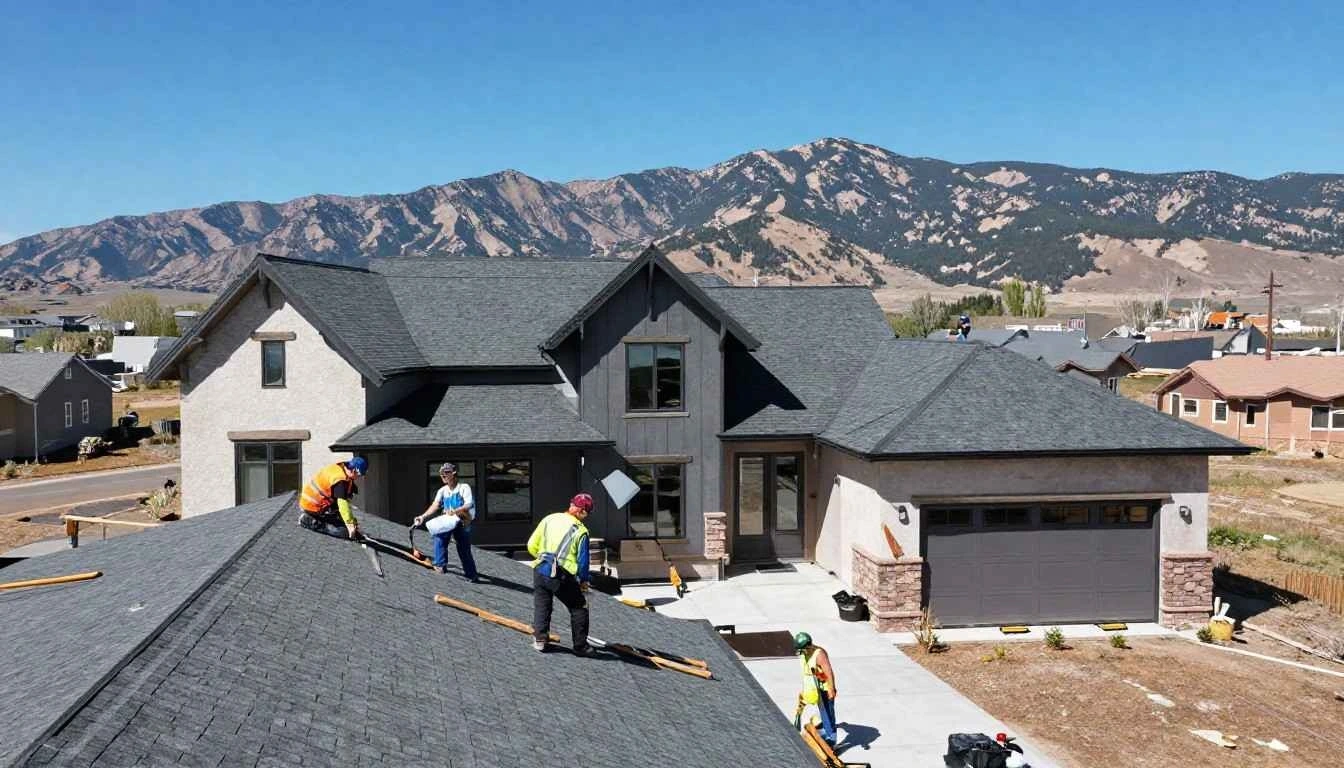
Repair a Colorado roof before selling when it's under 15 years old and the damage is contained to one area; replace it when it's past its expected life, storm damage spans multiple sections, or there's an unresolved hail claim on file. Get it wrong either way and you either overspend on a roof the buyer would have paid for anyway, or you watch offers come in soft once an inspector flags what you left alone.
Should I Repair or Replace My Roof Before Selling in Colorado?
This decision plays out the same way across the Denver metro area and up and down the Front Range, wherever hail has touched a roof in the last few seasons.
Start with age and condition together. Most asphalt shingle roofs last 20 to 25 years, and Colorado's hail and UV exposure at altitude push some roofs toward the shorter end of that range. Walk the roofline from the ground and watch for curling, cracked, or missing shingles, dark streaks or bald patches where granules have worn off, granules piling up in the gutters, a sagging roofline, or water stains on ceilings. One or two contained issues on an otherwise sound roof point to a repair. Widespread wear, a sagging deck, or repeated leaks point to replacement.
How Does Roof Age Factor Into a Colorado Repair-or-Replace Decision?
A roof under 15 years old with an isolated problem, like a windstorm tearing off a strip of shingles or failed chimney flashing, is a straightforward, inexpensive repair in most cases. A roof past 20 years with problems showing up in more than one spot moves the math toward replacement, since repairing one leak only to have another appear two months later is a losing game financially.
Does an Open Colorado Hail Claim Need to Be Resolved Before Listing?
Yes. An open or unresolved hail claim is one of the first things a Colorado buyer's lender and title company ask about, and it complicates closing if it isn't settled. Resolve the claim, complete the approved repair or replacement, and keep the paperwork before putting the home on the market, rather than leaving it for the buyer's attorney to untangle mid-transaction.
What Roof Problems Are a Repair Versus a Full Replacement in Colorado?
| Situation | Repair or replace |
|---|---|
| Isolated wind or hail damage, roof under 15 years old | Repair |
| Failed flashing at chimney or vents, otherwise sound roof | Repair |
| Widespread granule loss across multiple slopes | Replace |
| Roof past 20 to 25 years with recurring leaks | Replace |
| Water damage reaching the decking | Replace |
| Open hail claim covering the full roof | Replace, per the approved scope |
What Does a Roof Repair Versus Replacement Cost in Colorado?
A targeted repair falls in the few-hundred to low-thousands range for most jobs. A full replacement runs into the low five figures for most homes once tear-off, haul-away, and installation are included. What moves that number: roof size and pitch, the material chosen, how many old layers need to come off, and steep or cut-up roof lines with dormers, which cost more than a simple single-story ranch.
Does a New Roof Raise a Colorado Home's Sale Price?
For the fuller resale comparison against siding and windows, see roof, siding, or windows: which exterior upgrade actually returns the most.
A new roof rarely returns every dollar spent on paper, with cost-versus-value analyses putting resale recovery on an asphalt shingle roof in the low-to-mid 60% range nationally. The paper number misses the practical impact, though. Roofing sits near the top of what agents recommend before a sale, and a worn roof drags down a buyer's first impression before they step inside, handing them a reason to ask for a price cut or a repair credit at inspection. Those credits exceed what fixing the roof yourself would have cost in a large share of cases.
Does Roof Age Affect a Colorado Buyer's Insurance or Mortgage Approval?
Yes. Colorado insurers underwrite roof age closely given the state's hail history, and some carriers limit or decline coverage on roofs past a certain age. A buyer who can't secure the coverage they expected has grounds to renegotiate or walk, which turns a roof issue into a financing issue during escrow. A roof with real life left keeps that risk off the table.
Do Colorado Sellers Have to Disclose Roof Damage or a Prior Claim?
This disclosure question comes up across the whole how to sell a house in Colorado process, not just for the roof, so keep every repair folder in one place as you prepare.
Colorado's seller disclosure process asks directly about known roof problems and prior insurance claims, so a documented repair with paperwork turns that disclosure into a quick, factual answer instead of a point of concern. Trying to leave a known issue off the disclosure creates more risk for a seller than the repair itself would have.
Does a Class 4 Impact-Rated Roof Help at Resale in Colorado?
Yes, on two fronts. A Class 4 impact-rated shingle holds up better through the Front Range's mid-April to mid-September hail season, and many Colorado insurers apply a premium discount for it, which a buyer's agent can point to as an ongoing cost advantage during a showing. Ask your roofer for documentation of the rating so it transfers cleanly to the new owner.
Do Denver-Area Cities Require a Permit for Roof Replacement?
Yes, in most cases. Denver and the surrounding Front Range cities and counties require a permit for a full roof replacement, and a straight contractor factors that into the timeline rather than skipping it. Unpermitted roof work surfaces during a title search or disclosure and complicates a sale later.
Should I Get More Than One Roofing Quote Before Selling in Colorado?
Current Colorado market reports for your area help frame whether a full replacement is worth it relative to the home's price point.
Yes, especially if the numbers involved are large or a claim is part of the picture. Get the assessment in writing, confirm the contractor is licensed and insured, and read recent reviews. Anyone quoting a full replacement without seeing the roof, or leaning on a same-day discount to get a signature, is worth a second look before you commit. The team at Cornerstone Roofing walks Colorado sellers through the repair-or-replace call directly so the spend matches the roof's real condition rather than a guess.
What Paperwork Should I Keep After a Colorado Roof Repair or Replacement?
Save the signed contract, the invoice, the manufacturer's warranty, and any permit records in one folder. A transferable warranty is a real selling point since the buyer inherits coverage they never paid for, and permit records show the work was done to code, which heads off questions during the buyer's due diligence.
Is an Older Roof a Dealbreaker for Colorado Buyers?
Not automatically. An older roof is a point of negotiation rather than an instant dealbreaker on either side of the table. Buyers should ask for the roof's age and repair records and lean on the inspection, since it's one of the first things a Colorado home inspector checks and a clear read on remaining life tells a buyer whether to push for a credit, a price cut, or a written-in replacement.
Making the Call
A Kenna Real Estate Group agent can pair this decision with a Smart Pricing Report so the roof call and the listing number get made together, not one after the other.
If the roof is young and the damage is contained, fix it and move on. If it's old, leaking in more than one spot, or carrying an unresolved claim, replacement protects the asking price and the deal. The worst option is leaving it for the buyer's inspector to find first, then negotiating from behind. InterNACHI's roofing overview is a useful read on what inspectors check before you spend a dollar on either option.
Where to go next
- Preparing and adding value before selling
- Pricing your Colorado home to sell (Smart Pricing Report)
- How to sell a house in Colorado
- Roof, siding, or windows: which pays off at resale
- Is your roof repair estimate actually fair
- Search every home for sale in Colorado
Talk to the Kenna Real Estate Group
Whether your roof needs a quick patch or a full replacement before you list, the Kenna Real Estate Group can show you what that decision actually does to your number in today's Front Range market. Call or text 303-955-4220. A live person answers. Not a robot, not a phone tree. Search every home for sale in Colorado.
Homes for sale that match this post
Guides
Questions about any home in Colorado? Call or text 303-955-4220. A live person answers.