.jpg)


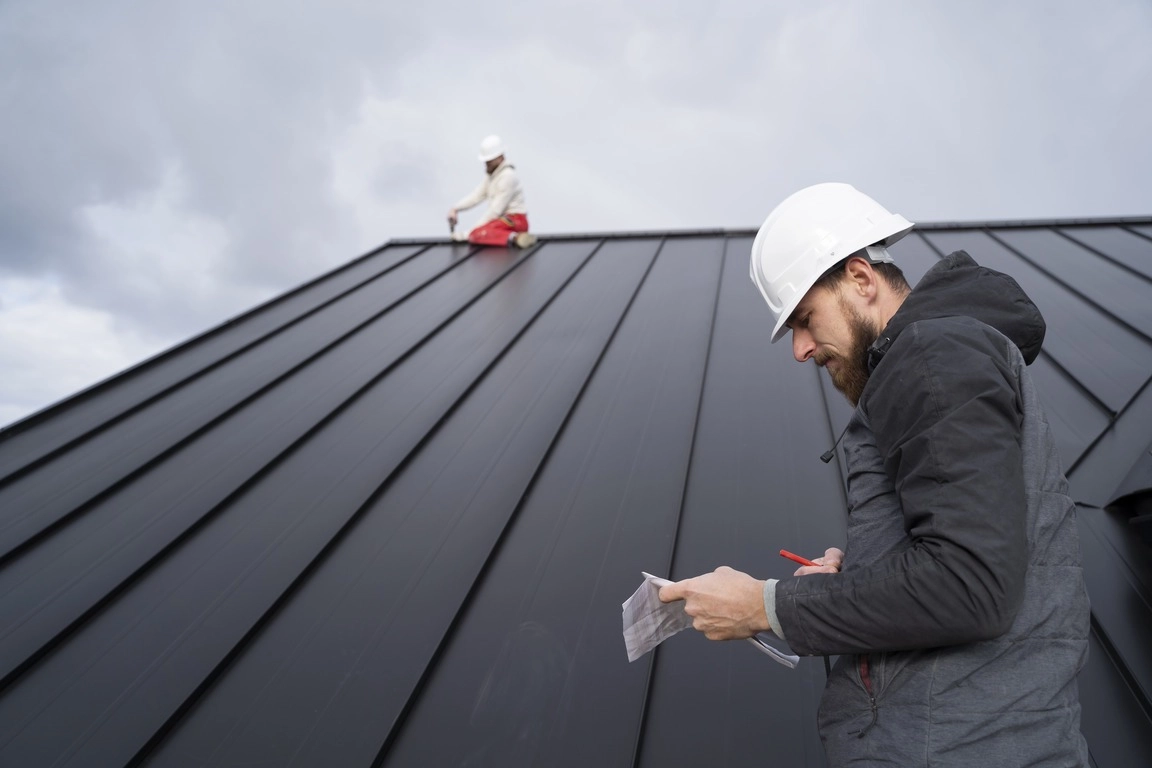
Repair a Colorado roof when the damage is isolated to one slope, the roof is under 15 years old, and the repair cost is under 40% of a full replacement. Replace it when the roof is past 20 years, damage covers multiple slopes, or an insurance adjuster has already approved a full replacement claim. This checklist walks through the specific age, cost, and damage thresholds Front Range homeowners use to make that call with confidence.
Reading Your Roof's Warning Signs Room by Room
Check the attic first: daylight through the roof deck, dark water stains on rafters, or damp insulation all point toward an active leak that needs attention regardless of the roof's age. Outside, check for shingles that look uniformly worn across the whole roof versus damage concentrated in one storm-facing slope, since the pattern itself is a clue to whether a repair can realistically solve the problem.
The Quick Colorado Repair-vs-Replace Test
Answer three questions before you call anyone. How old is the roof? How many slopes show damage? And has an adjuster already been out? A roof under 10 years old with damage on one slope is almost always a repair. A roof over 20 years old with hail hits across every slope is almost always a replacement, and an insurer will frequently reach that conclusion before you do.
Roof Age and Material Life Expectancy at 5,280 Feet
| Material | Typical Life Elsewhere | Typical Life on the Front Range |
|---|---|---|
| 3-tab asphalt shingle | 20 years | 15 to 18 years |
| Architectural asphalt shingle | 25 to 30 years | 18 to 22 years |
| Class 4 impact-rated shingle | 30 years | 22 to 28 years |
| Standing seam metal | 40 to 50 years | 35 to 45 years |
Colorado's combination of intense high-altitude UV and repeated hail impact shortens shingle life compared with the manufacturer's rated lifespan almost everywhere else in the country. A roof rated for 25 years elsewhere is reasonable to inspect closely starting around year 15 to 18 on the Front Range.
Counting Hail Hits: When Damage Crosses the Replace Line
Most Colorado insurance adjusters use a rough threshold of a set number of hail hits per test square (a 10-foot by 10-foot area) to justify a full slope replacement, and damage on multiple slopes commonly pushes the recommendation to a full roof rather than a partial repair. A licensed roofer or public adjuster can walk the roof with you and mark hits directly so you can see where the count lands.
Comparing a Partial Slope Replacement to a Full Roof
Some Colorado insurers approve a partial replacement covering only the damaged slopes when color matching is not a factor, though many now require a full replacement to avoid a mismatched roof over time as shingles from different production runs weather differently. Ask your adjuster and your roofer both whether a partial replacement is realistic on your specific roof before assuming it will save money.
Granule Loss, Flashing and Valley Wear Checklist
- Granule loss: bald spots on shingles or a heavy buildup of granules in the gutter signal accelerated aging.
- Flashing: rusted, lifted, or cracked flashing around chimneys and vents is a common leak point that is regularly repairable on its own.
- Valleys: the channels where two roof slopes meet wear fastest and are worth inspecting closely after every hailstorm.
- Curling or cracked shingles: widespread curling across the roof, not just one area, points toward replacement rather than repair.
Cost Comparison: Repair Dollars vs Replacement Dollars
A localized repair on the Front Range commonly runs $400 to $1,800 depending on the size of the area and whether flashing or decking needs work. A full replacement runs $12,000 to $22,000 for standard asphalt on a 2,000 square foot roof, more for Class 4 or metal. If a repair estimate approaches 40% of a full replacement quote, replacement is commonly the better use of the money since it resets the roof's full expected life instead of patching an aging one.
DIY Roof Inspections: What a Homeowner Can without damage Check
From the ground, you can without damage check for granules in the gutter runoff, curled or missing shingles visible with binoculars, and dented gutters or vents that indicate hail impact. Do not climb onto a steep-pitch roof yourself; a fall risk is not worth saving an inspection fee, and most legitimate roofers offer a free or low-cost initial inspection anyway.
When Your Insurance Company Makes the Decision for You
If your adjuster approves a full replacement claim, that determination in most cases settles the repair-versus-replace question regardless of what a homeowner can have preferred. Get a copy of the adjuster's scope of work and use it to compare contractor bids, since a bid that falls short of the approved scope can leave gaps your insurer already agreed to cover.
A thorough roof inspection before you file, from any licensed local roofer, gives you your own documentation to compare against the adjuster's findings. You are free to use any licensed roofer for the inspection or the work itself.
How Roof Slope and Layout Affect the Repair Decision
A complex roofline with multiple valleys and dormers concentrates wear at the seams between slopes, and localized damage there is sometimes cheaper to repair than the same damage on a simple gable roof, since the repair area is naturally smaller. A simple, single-slope roof with widespread damage regularly tips toward replacement faster because there is less isolated area to patch.
Repair or Replace Before You List: What Colorado Buyers' Inspectors Flag
Front Range buyers' inspectors routinely note roof age, granule condition, and any visible repairs as a line item, and a patched roof close to the end of its expected life is one of the more common items that turns into an inspection objection. The Colorado Home Seller's Guide covers how sellers should weigh a roof repair or replacement before listing.
Financing a Replacement If Repair Isn't Enough
If the checklist points to replacement and the cost is more than you want to pay out of savings, the Kenna Real Estate Group's Colorado home financing guide covers financing paths homeowners use for a major exterior project, whether that is a home equity option or rolling the cost into a purchase or refinance.
Getting a Second Opinion Without Pressure Tactics
Get a second, independent inspection before committing to a full replacement, especially if the first estimate came from a contractor who also wants to handle your insurance claim. Comparing roof repair services near you is a reasonable way to see several local bids side by side before you decide. A legitimate contractor gives you time to compare bids rather than pushing a same-visit signature.
Where to go next
- Preparing and Adding Value Before Selling
- Pricing Your Colorado Home to Sell
- The Colorado Home Seller's Guide
- Colorado Hail and Roof Costs: What South Denver Right-Sizers Actually Need to Compare
- Roof Replacement in Colorado: Costs, Lifespan, and Best Materials
- Search every home for sale in Colorado
Talk to the Kenna Real Estate Group
The Kenna Real Estate Group helps Front Range sellers decide whether a roof repair or a full replacement makes sense before listing, and factors roof condition into a realistic list price. Call or text 303-955-4220. A live person answers. Not a robot, not a phone tree. Curious what's on the market first? Search every home for sale in Colorado.
Homes for sale that match this post
Guides
Questions about any home in Colorado? Call or text 303-955-4220. A live person answers.