New - 15 Mins Ago
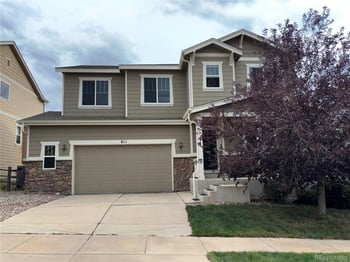
$600,000
Active
5
Beds
4
Baths
3522
Sqft
0.13
Acres
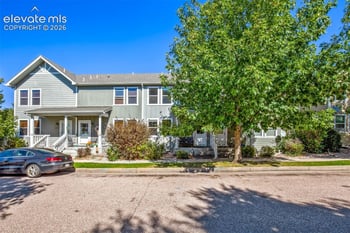
811 Spectrum Loop, Colorado Springs, CO 80921
MLS#: REC9983209
.jpg)



Fire and hail damage to a Colorado home starts the same way every time: a phone call to the insurance company, then a series of decisions about permits, contractors, and whether to rebuild at all. What follows is the practical sequence, in Colorado terms, for getting a damaged home back to a sellable or livable state.
Photograph and video every room and the exterior before touching anything, then call the insurance carrier the same day to open a claim. A company that handles fire damage cleanup can board up openings, run air scrubbers for smoke, and dry out water used to fight the fire, which limits the damage from spreading while the claim moves through underwriting.
An adjuster inspects the property, estimates the cost to repair or rebuild, and issues a payout based on the policy's coverage limits, either actual cash value or replacement cost depending on the policy type. Keep every receipt for temporary housing, cleanup and repairs; most Colorado policies reimburse additional living expenses separately from the structure payout.
Colorado's hail season runs spring through September, and the Front Range corridor from Denver to Colorado Springs sees some of the highest hail frequency in the country. Filing a claim quickly after a storm, with dated photos of the impact marks, keeps the assessment clean if a second storm hits the same roof before repairs start.
Defensible space is a cleared, reduced-vegetation buffer around a structure, described in zones out to 100 feet, that slows a wildfire's approach and gives firefighters room to work. Several Colorado counties in wildfire-prone foothill and mountain areas require a defensible space plan before issuing a rebuild permit, and some insurers now factor it into a wildfire risk score before renewing a policy.
Any structural work, electrical replacement, or plumbing repair after fire damage requires a permit through the city or county building department. Denver, Aurora, Colorado Springs and most Front Range jurisdictions each run their own permit process and inspection schedule, so check the timeline with the specific department before a contractor sets a start date.
A partial rebuild, a kitchen or a section of roof, runs 2 to 4 months in most cases once permits and materials are in hand. A full structural rebuild after a total loss commonly runs 9 to 18 months along the Front Range, driven mostly by contractor availability, which tightens after a widescale hail or wildfire event pulls crews toward the hardest-hit areas first.
Colorado's seller's property disclosure form asks directly about past fire, flood, hail or structural damage and any insurance claims tied to the property. A completed, permitted repair with inspection sign-off and paperwork in hand reassures a buyer far more than an undisclosed repair that surfaces later in a title search or a home inspection.
Rebuilding makes sense when the insurance payout plus any additional financing covers the actual contractor bid and the household wants to stay in the neighborhood. Selling as-is, or after a partial repair, makes sense when the payout falls short of rebuild cost or the household has already decided to move. The how to sell a house in Colorado guide walks through pricing and disclosure for a property with repair history.
| City or county | What to check first |
|---|---|
| Denver | Zoning and historic district review before a rebuild; see the Denver ADU, zoning and historic district guide |
| Colorado Springs | Wildfire-zone defensible space requirements in foothill neighborhoods |
| Boulder County foothills | Additional wildfire mitigation review on top of standard building permits |
| Suburban metro districts | HOA or metro district design review in addition to the city permit |
A fully permitted, well-documented repair restores a home's value close to comparable undamaged homes in the same Front Range market once the sale listing shows the paperwork. An undocumented or partial repair, by contrast, sells at a discount because buyers and lenders discount uncertainty they cannot verify.
A payout is based on the adjuster's estimate at the time of the claim, and Front Range labor and material costs move fast after a widescale hail or wildfire event pulls contractor demand up across the region. Get an independent contractor bid before accepting a final settlement number so the payout is not short partway through construction.
A renovation or construction loan covers the gap between an insurance payout and the actual rebuild cost. Mike Oswald at Rate (NMLS 261003, Equal Housing Lender) walks Colorado homeowners through renovation financing options, and you are free to use any lender; the Colorado home financing guide and Kenna Credit Care mortgage readiness program cover the basics before that conversation.
During economic downturns, rebuild costs and financing rates shift alongside the broader market, and some homeowners choose to rebuild and hold rather than sell into a softer market. Running both the rebuild-and-stay numbers and the sell-as-is numbers side by side, with a current Front Range market read, makes the decision concrete instead of guesswork.
Some Colorado insurers now score properties for wildfire risk before writing or renewing a policy, and a home in a high-risk zone without documented defensible space can see a higher premium or a harder time finding coverage. Confirming insurability early in a listing process, not after an offer is under contract, keeps a sale from stalling at financing.
Starting demolition before the insurance claim is fully documented, skipping permits on work that needs one, and accepting the first settlement offer without an independent contractor bid are the three mistakes that cost Front Range homeowners the most money and time. Each one is avoidable by slowing down the first two weeks after the damage happens.
Ask for the printable post-damage rebuild checklist in the form below and the Kenna Real Estate Group emails it the same day.
Whether the plan is to rebuild and stay or sell a storm- or fire-damaged Colorado property as-is, the Kenna Real Estate Group runs the numbers on both paths and connects homeowners to contractors, adjusters and lenders who know the Front Range permit process. Call or text 303-955-4220. A live person answers. Not a robot, not a phone tree. Or search every home for sale in Colorado to see what comparable homes are selling for right now.
Questions about any home in Colorado? Call or text 303-955-4220. A live person answers.
Document everything with photos and video before any cleanup starts, then call the insurance carrier to open a claim. A mitigation company that specializes in fire and smoke damage cleanup can board up and dry out the property while the claim is pending, which limits secondary damage.
Hail season runs spring through September along the Front Range, and insurers see the highest volume of roof and siding claims in that window. Filing quickly after a storm, before the next one hits the same roof, keeps the damage assessment clean for the adjuster.
Defensible space is a cleared buffer, measured in zones out to 100 feet from the structure, with reduced vegetation and non-combustible materials near the home. Many Colorado counties in wildfire-prone areas require a defensible space plan as a condition of a rebuild permit.
Any structural rebuild, electrical replacement, or plumbing work after fire damage needs a permit through the city or county building department. A cosmetic repair, like replacing drywall or paint with no structural change, does not.
Colorado's seller's property disclosure form asks directly about past fire, flood, hail or structural damage and any insurance claims filed. Disclosing a completed, permitted repair with documentation reassures a buyer more than silence does if the damage shows up in an inspection or a title search.
A payout is based on the policy's coverage limits and the adjuster's damage estimate, which does not always match current Front Range labor and material costs, especially after a widescale hail event drives contractor demand up. Getting a contractor bid before accepting a settlement offer avoids being underfunded partway through a rebuild.
Rebuilding makes sense when the insurance payout plus available financing covers the work and the homeowner wants to stay in the neighborhood. Selling as-is or after a partial repair makes sense when the numbers do not pencil out or the household is ready to move regardless of the damage.