New - 2 Hours Ago
$325,000
Active
4
Beds
2
Baths
1410
Sqft
0.1761
Acres
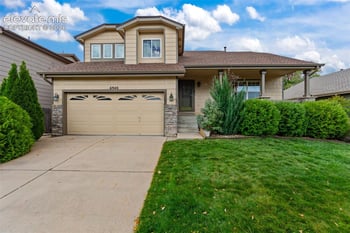
205 Everett Dr, Colorado Springs, CO 80911
MLS#: 2112286
.jpg)


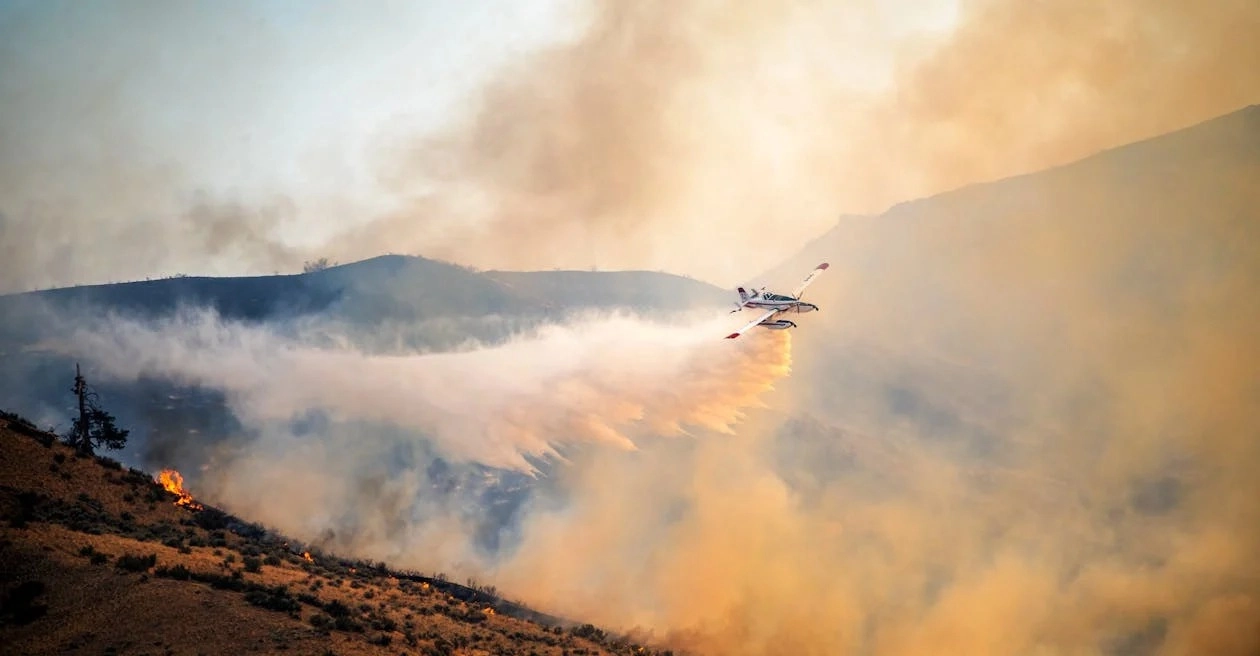
Colorado's wildfire risk sits mostly along the foothills corridor, where the wildland-urban interface, the zone where homes meet open grass, scrub oak, and forest, runs from Colorado Springs north through Boulder County. Owning there is manageable with the right defensible space, materials, and insurance in place; skipping those steps is what turns a bad fire season into a total loss.
The highest-risk zones sit in the foothills and mountain communities west of Denver, Boulder, Golden, and Colorado Springs, plus grassland areas east of the foothills where dry grass carries fire fast during wind events. Front Range plains cities carry lower structural wildfire risk than foothills addresses, but grass fires driven by Chinook winds still threaten homes near open space.
Defensible space is the buffer zone around a structure, cleared of flammable material, that gives firefighters room to work and slows a fire's approach. The Colorado State Forest Service recommends three zones: an immediate zone within 5 feet of the home kept free of mulch, plants, and stored wood; an intermediate zone from 5 to 30 feet with widely spaced, low-growing plants; and an extended zone from 30 to 100 feet with reduced fuel density. Full guidance is available through Ready for Wildfire's defensible space program.
Some Colorado counties and fire districts in the wildland-urban interface require defensible space through local ordinance, and several HOAs in foothills communities write it into covenants. Requirements vary by jurisdiction, so check with the county and any HOA before a sale closes, since an unmet defensible space requirement can become a repair item during inspection.
Class A fire-rated roofing, such as asphalt composite shingles, metal, or tile, stops roof ignition from wind-blown embers, the leading cause of home loss in wildfire events. Ember-resistant vents, non-combustible siding within the first several feet of grade, and tempered glass windows close the next most common entry points. A full materials breakdown is covered in this fire-resistant building materials guide.
Premiums for homes in mapped wildfire zones run higher than plains-area premiums, and several major carriers have limited new policy writing in the highest-risk foothills ZIP codes. Homeowners in wildfire zones should compare quotes annually and confirm coverage before making an offer; Colorado home insurance options and wildfire-specific riders vary by carrier and by county.
Lenders and insurers increasingly pull a property-specific wildfire risk score during underwriting, factoring in vegetation, slope, and distance to fuel. A high score can mean a higher premium, a required inspection, or in rare cases a declined policy, any of which can affect financing timelines. Our related post on checking the wildfire score before you decide walks through what buyers should pull before writing an offer.
Yes. Non-renewal in high-risk wildfire zones has increased across Colorado in recent years as carriers reassess exposure. Homeowners who get a non-renewal notice have a window to shop for replacement coverage before the policy lapses, and completing defensible space work restores eligibility with some carriers.
Colorado's FAIR Plan is the insurer of last resort for homeowners who cannot find coverage in the standard market, including many wildfire-zone properties. It costs more than standard coverage and carries narrower terms, so it is a backstop, not a first choice, and worth comparing against standard-market wildfire riders first.
Colorado's seller disclosure form asks about known hazards, and a property's location in a mapped wildfire zone is material information a buyer's lender and insurer will find during underwriting regardless. Disclosing known wildfire risk, past mitigation work, and any insurance non-renewal history up front keeps the inspection objection deadline from turning into a renegotiation.
The WUI is the zone where development meets undeveloped wildland vegetation, the exact conditions that let a wildfire move from open land into a neighborhood. Colorado's WUI covers a large share of foothills communities from Larimer County south through El Paso County, and county planning offices maintain maps showing which parcels fall inside it.
Foothills HOAs frequently require annual defensible space compliance and can levy fines for owners who let vegetation build up against covenant rules. Buyers should pull HOA wildfire mitigation rules during the review period, since a home that looks move-in ready can still carry an open compliance item.
Keep the first 5 feet around the foundation clear of bark mulch, ornamental grasses, and stacked firewood. Space trees so canopies do not touch, prune branches up from the ground, and swap resinous evergreens near the structure for lower-fuel plantings. A landscaper such as Green Lawn Care can maintain a defensible space plan through the season; homeowners are free to use any landscaping provider for this work.
Untreated wood shake roofing is one of the highest-risk materials in a wildfire because it ignites easily from wind-blown embers, and several Colorado counties restrict new wood shake installations in mapped wildfire zones. Homes with existing wood shake roofs in these areas see higher premiums until the roof is replaced with a Class A material.
Homes in mapped wildfire zones can see softer demand and longer days on market when insurance becomes hard to place, while homes with documented mitigation work, defensible space, Class A roofing, ember-resistant vents, hold value better within the same zone. Buyers increasingly ask for mitigation documentation alongside the standard inspection.
Clear the immediate 5-foot zone, clean pine needles and debris from gutters and roof valleys, screen foundation vents, and confirm defensible space out to 30 feet before hail season and wildfire season both ramp up in spring. Keep a folder with mitigation photos and receipts; it supports insurance renewal and speeds up a future sale.
Completed defensible space work satisfies HOA compliance requirements where they exist and removes the risk of a violation fine, but it does not directly change property tax assessment. Some counties and insurers offer premium credits for documented mitigation, which is worth confirming with the carrier directly.
Boulder, Jefferson, Larimer, Douglas, and El Paso counties all contain significant wildland-urban interface acreage along the foothills, with risk concentrated in unincorporated mountain communities and canyon neighborhoods more than in the core Front Range cities.
Dry leaves and pine needles in gutters are one of the most common ignition points during an ember storm, and open foundation or attic vents let embers directly into a structure. Ember-resistant mesh screens on vents and a clean gutter system close two of the most common entry points at low cost.
Home hardening means upgrading the structure itself, roofing, siding, vents, windows, and the first 5 feet of landscaping, so it resists ember ignition even if a fire reaches the property line. It works alongside defensible space rather than replacing it; both are needed for a foothills home to hold up.
A foothills home with documented mitigation, an insurable wildfire score, and a Class A roof is a reasonable buy for someone who wants the mountain-adjacent lifestyle and understands the ongoing maintenance. The decision comes down to confirming insurance availability and cost before the option period ends, not after closing.
The Kenna Real Estate Group helps Front Range foothills buyers and owners confirm wildfire zone status, insurance availability, and mitigation history before an offer or a listing goes live. Call or text 303-955-4220. A live person answers. Not a robot, not a phone tree. Search every home for sale in Colorado.
Questions about any home in Colorado? Call or text 303-955-4220. A live person answers.
Pull the property's wildfire risk score and confirm insurance availability before the inspection objection deadline. A high score can mean higher premiums or a harder-to-place policy.
The Colorado State Forest Service recommends a cleared zone within 5 feet of the structure, a reduced-fuel zone from 5 to 30 feet, and a thinned zone from 30 to 100 feet.
Colorado's seller disclosure form covers known hazards, and location in a mapped wildfire zone is information a buyer's lender and insurer will uncover during underwriting regardless of disclosure.
Class A fire-rated materials, including asphalt composite shingles, metal, and tile, resist ignition from wind-blown embers far better than untreated wood shake.
Many foothills HOAs write defensible space compliance into covenants and can issue fines for unmet requirements, so buyers should review HOA wildfire rules during due diligence.
It is the state's insurer of last resort for homes that cannot get coverage in the standard market, used by many wildfire-zone owners after a non-renewal. It costs more than standard policies.
Documented mitigation, defensible space, ember-resistant vents, a Class A roof, can support premium credits with some carriers and improve renewal odds. Confirm specifics directly with the insurer.
Boulder, Jefferson, Larimer, Douglas, and El Paso counties all contain significant foothills wildland-urban interface acreage, concentrated in mountain and canyon communities.