New - 1 Hour Ago
$362,950
Active
3
Beds
2
Baths
2682
Sqft
0.15
Acres
803 Tia Juana St, Colorado Springs, CO 80909
MLS#: 7002793
.jpg)


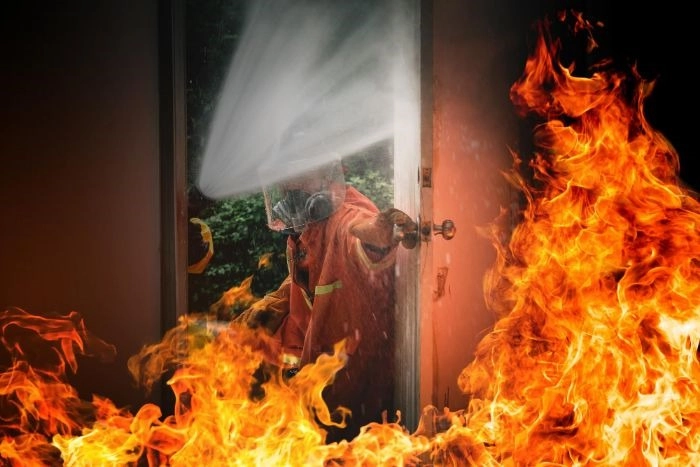
A fire changes a Colorado home's value in three stages. Right after the fire, a damaged house is worth the lot plus salvage, which in the Denver metro and foothills is 40% to 70% of the pre-fire value. After a documented remediation and rebuild with permits, the home is worth the same as its neighbors, and a full rebuild is new construction that sells above them. The permanent change is not the fire; it is the insurance. A home in a mapped wildfire zone in Evergreen, Conifer, Boulder County, Colorado Springs' west side or the Douglas County foothills now carries a premium and an insurability question that buyers price before they price the house. This guide covers value at each stage, disclosure, remediation costs, the Colorado FAIR Plan, and what the Marshall Fire rebuild taught the state.
| Stage | Value vs pre-fire | Who buys |
|---|---|---|
| Structure fire, not remediated, sold as-is | 40% to 70% | Investors, builders, cash buyers |
| Smoke and partial damage, remediated with clearance test | 90% to 97% | Any buyer; disclosure attached |
| Full rebuild with permits and certificate of occupancy | 100% to 115% | Any buyer; it is a new home |
| Lot only after total loss | Lot value; 20% to 40% of pre-fire total on Front Range lots | Builders, neighbors, rebuild buyers |
The 40% to 70% range for as-is sales is wide because the lot carries the value. A burned 1,800 square foot ranch on a quarter acre in Lakewood sells for the lot value plus what the foundation is worth; the same fire in a Highlands Ranch two-story on a 6,000 square foot lot leaves less. Firms that offer a quick sale for fire-affected homes price exactly that way: repaired value, minus the remediation and rebuild bid, minus a 15% to 25% margin. You are free to use any provider, and a listing on the open market with the same as-is disclosure draws more than one bidder.
Yes. The Colorado Seller's Property Disclosure asks about fire damage and about structural repairs, and Colorado law requires sellers to disclose known material defects. A fire that was fully remediated, permitted and closed out is still disclosed, with the paper attached: the fire department report, the insurance claim closure, the remediation contractor's clearance report, and the permit history. Buyers see the disclosure against the permit record their agent pulls from the county, so the two have to match. The turning stigmatized properties into sale-ready homes in Colorado post covers how a documented event stops being a discount.
Every remediation ends with a clearance test for soot and volatile compounds, and every rebuild ends with a certificate of occupancy. Those two documents are what a lender's appraiser reads. The restoration services in Colorado for water, fire and mold post lists what a restoration contract covers.
The Colorado State Forest Service publishes the Colorado Wildfire Risk Public Viewer, and insurers use their own wildfire scores on top of it. As of July 1, 2025, Colorado insurers using a wildfire risk score have to tell the homeowner the score and the mitigation steps that lower it, under Colorado law. That means the score on a house in Genesee, Pine, Bailey, Nederland, Lyons, Black Forest or the Broadmoor foothills is a number the buyer can ask for before the offer.
The Colorado homebuyers wildfire insurance score post explains how to request the score, and the Denver metro home insurance checks for buyers post covers binding coverage before the deadlines in the contract.
Colorado created the Colorado FAIR Plan Association by a 2023 law as the insurer of last resort for homes that cannot get a policy in the standard market, and it began issuing policies in 2025. It covers the structure against fire and a short list of named perils, with a coverage cap and no liability, water backup or full replacement cost. Owners pair it with a separate liability policy. Premiums run above the standard market. A buyer whose only option is the FAIR Plan can still close, but the lender's escrow reflects the higher premium and the appraisal reflects the smaller buyer pool.
An insurance company in the standard market prices the risk it takes; the FAIR Plan prices the risk nobody else will take. Sellers in wildfire zones who hold a standard policy should keep it active through closing and give the buyer the carrier name, because a home that is currently insured by a standard carrier is easier to insure again than one on the FAIR Plan.
The Marshall Fire on December 30, 2021 destroyed more than 1,000 homes in Louisville, Superior and unincorporated Boulder County in a grass fire driven by 100 mph winds, in a suburb, in winter. Three lessons changed how Colorado homes are valued and insured:
Colorado also created a Wildfire Resiliency Code Board in 2023 to write a statewide wildland-urban interface building code. Rebuilds and new homes in mapped zones will meet it, which raises the build cost and lowers the insurance risk at the same time.
The Colorado distressed homes buyer guide shows how buyers evaluate a fire-damaged listing, which is the same math a seller runs in reverse. The how to sell a house in Colorado guide covers the contract from listing to closing, and the what Colorado landowners should know before selling vacant property post covers a lot sale after a total loss.
Lenders require a bound homeowners policy before closing, and the appraisal requires that the home be habitable. That produces three rules for a buyer in a mapped zone: get the insurance quote in the first 5 days of the contract, before the inspection objection deadline; ask the seller for the current carrier, premium and any mitigation certificate; and confirm the policy covers replacement cost at the appraised rebuild figure. A rebuild after a fire is financed with a construction loan or the insurance proceeds, and converts to a standard mortgage at the certificate of occupancy. The Colorado mortgage pre-approval guide covers the lender's checklist, and making an offer on a Colorado home shows how to write the insurance contingency into the dates.
The Kenna Real Estate Group at Keller Williams DTC prices fire-damaged, remediated and rebuilt homes on the Front Range on closed comps at each stage, assembles the disclosure file, and gets the insurance quote in front of every buyer before the offer. Call or text 303-955-4220. A live person answers. Not a robot, not a phone tree. See how rebuilt and new homes are priced in your area when you search every home for sale in Colorado.
Questions about any home in Colorado? Call or text 303-955-4220. A live person answers.
40% to 70% of its pre-fire value, which is the lot plus salvage minus the rebuild bid and an investor margin. A remediated home with a clearance test is worth 90% to 97%.
No. A full rebuild with permits and a certificate of occupancy is new construction and sells at 100% to 115% of the pre-fire neighborhood value, with the fire disclosed.
The structure against fire and a short list of named perils, with a coverage cap and no liability coverage. It began issuing policies in 2025 for homes the standard market declines, at premiums above the standard market.
2 to 4 years per home, from 2022 into 2025, limited by permits, contractor capacity and material prices.
Yes. Since July 1, 2025, Colorado insurers that use a wildfire risk score have to disclose the score and the mitigation steps that lower it.
$12,000 to $40,000 in the Denver metro when insulation, ductwork and soft goods are replaced, ending with a clearance test.
$350 to $500 per square foot in 2026, before septic, well and wildfire-code items, compared with $250 to $400 on the Front Range plains.
A Class A roof, ember-resistant vents, a 5-foot noncombustible zone and 30 feet of defensible space, documented by a county or Colorado State Forest Service assessment. Cost $3,000 to $20,000.