.jpg)


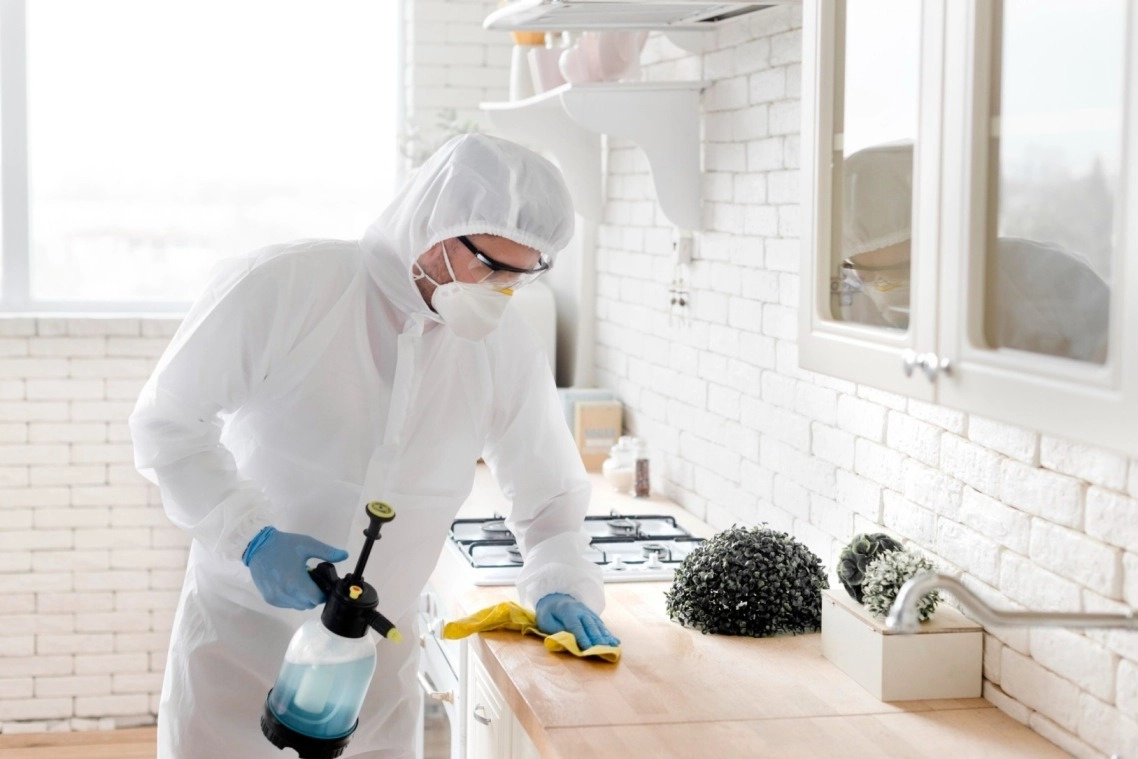
Getting any home ready for the Colorado market takes work. But what happens when your property has been through a traumatic event, a hoarding situation, or an unattended death? These situations create challenges that go way beyond everyday pre-sale prep.
Here's the truth: properties affected by biological contamination face serious hurdles. But I've seen heavily stigmatized homes sell successfully in Colorado—it just takes the right approach and proper remediation.
What Defines a Biohazard in Real Estate
Biological contamination is any material that poses health risks—human or animal remains, bodily fluids, bloodborne pathogens, extensive mold, or accumulated waste. The tricky part? Contamination usually goes way beyond what you can see on the surface.
Hazardous materials seep into subflooring, enter wall cavities, circulate through HVAC systems, and soak into insulation. Regular cleaning doesn't touch contamination at these levels. That's why you need specialists.
How Contamination Affects Marketability
Colorado buyers move fast, especially in competitive markets. When a property triggers an immediate adverse reaction—whether it's an odd smell, visible damage, or something in the disclosure—that first impression is almost impossible to shake.
It's not just about buyer psychology either. Lenders can classify contaminated properties as uninsurable until you've got documented remediation. Appraisers might refuse even to value a home they consider hazardous. Lose traditional financing options, and your buyer pool shrinks to cash-only purchasers who know they're your only option and price accordingly.
Then there's the legal side. Colorado disclosure laws require you to reveal known material defects. Try to hide contamination issues or skip proper cleanup, and you're opening yourself up to lawsuits that can drag on for years after closing.
The Cost of Waiting
Properties with biological contamination don't improve over time. Decomposition keeps going. Bacteria spreads. Odors sink deeper into materials. Mold colonies expand fast, especially in Colorado's climate.
What might take a few days and a few thousand bucks to fix properly can spiral into a multi-week nightmare costing tens of thousands if you wait. Every week you delay, the problem becomes more complex and more expensive to solve.
Selling a Stigmatized Property in Colorado: What Homeowners Need to Know.
Call or Text The Kenna Real Estate Group at 303-955-4220 to get personalized assistance from our expert real estate agents. Find out what your home is worth in today's market.
Why You Need Professional Remediation
Environmental remediation is fundamentally different from cleaning. Certified biohazard specialists follow strict protocols from OSHA, the EPA, and state health departments. They use personal protective equipment, set up containment zones, deploy HEPA filtration systems, and use hospital-grade antimicrobials you can't buy at the hardware store.
Laura Spaulding, an established authority in biohazard remediation, emphasizes this distinction: "Proper cleanup isn't about appearance, it's about protection. If contamination isn't fully removed, it can resurface during inspections or after a buyer moves in."
Professional biohazard cleanup services include comprehensive documentation of all work performed, which becomes critical during the sale process. This paperwork demonstrates to buyers, agents, lenders, and inspectors that the property meets current health and protection standards.
The Remediation Process
Good companies start with a thorough assessment to figure out how far contamination extends. Then they remove affected materials—flooring, drywall, insulation, sometimes even structural components. Industrial disinfection treats all surfaces and enclosed spaces. Odor elimination uses advanced oxidation tech that actually neutralizes smell molecules instead of just covering them up.
Finally, all biohazardous materials are disposed of in accordance with strict regulations. The whole process usually takes days to weeks, depending on how severe the contamination is and how big the property is.
Getting Ready for Market After Cleanup
Once remediation's done, the property needs restoration actually to be market-ready. That typically means replacing what was removed, applying fresh paint in neutral colors, installing new flooring where needed, and ensuring all mechanical systems work correctly.
Timing really matters here. Get remediation finished before you start any cosmetic work. If you renovate first and then remediation requires ripping out those new finishes, you just paid for the same job twice.
The goal of restoration is to achieve emotional neutrality. Buyers should walk in and see a space where they can imagine their future—not wonder about the property's past. Get rid of anything that might trigger questions. Bring in as much natural light as possible. Make sure the air quality is excellent. Present a home that feels fresh and ready to move into.
Strategic Disclosure
Colorado law says you have to disclose known material defects, but that doesn't mean giving graphic details about what happened. Present the facts clearly and professionally: state what occurred, explain the remediation that was completed, and provide documentation from certified professionals.
This approach actually builds buyer confidence. Properties with documented professional remediation are often sounder than homes that have never been assessed or treated, since the cleanup process includes verification that contamination's been eliminated to acceptable levels.
Finding the Right Real Estate Partner
Not every agent knows how to handle stigmatized property sales. The right professional understands Colorado disclosure requirements, knows how to present remediation documentation effectively, and can advise you on strategic pricing that acknowledges the property's history while still positioning it competitively in your local market.
Selling a Stigmatized Property in Colorado: What Homeowners Need to Know.
Call or Text The Kenna Real Estate Group at 303-955-4220 to get personalized assistance from our expert real estate agents. Find out what your home is worth in today's market.
An experienced agent coordinates timing between when remediation finishes, restoration work gets done, and the listing goes live—so your property debuts in the best possible condition. They also know how to handle buyer concerns professionally, neither giving too much detail nor seeming evasive.
Common Mistakes That Kill Sales
The worst mistake is trying to do partial remediation. Incomplete cleanup always shows up during inspections, and buyer suspicion kills the whole transaction. Even if you agree to finish proper remediation at that point, you've already lost the buyer's trust.
Another frequent mistake is listing too fast. Properties need time after cleanup to dry out, air out, and stabilize fully. Rush to market with lingering smells or moisture issues, and you're wasting everyone's time while damaging your property's reputation in the market.
Understanding the Investment
Professional remediation costs money upfront—often several thousand to tens of thousands of dollars, depending on the severity of the contamination. But here's the thing: this cost is consistently less than the price cuts buyers demand when they discover problems during inspection.
Properties where contamination surfaces during transactions often prompt buyers to demand 15-25% price reductions or major repair credits. On a $500,000 Colorado home, that's $75,000 to $125,000 in lost value. That $10,000 remediation investment looks pretty smart.
Pre-Listing Inspections
Consider getting a professional inspection before you list. Finding any remaining issues before buyers do gives you control over how and when problems get addressed. It also shows transparency that builds buyer confidence.
The Path Forward
Properties affected by biological contamination face real challenges. But these situations aren't impossible to overcome. With proper professional remediation, solid documentation, strategic restoration, and experienced real estate guidance, even heavily stigmatized properties can sell successfully.
The key is to deal with issues head-on, rather than hoping buyers won't notice or won't care. Today's buyers are informed. Their inspectors are thorough. Trying to cut corners consistently backfires. The properties that sell are the ones where sellers invested in doing things right from the start.
If you're dealing with this situation on a Colorado property, connect with remediation professionals right away. Get proper assessment and documentation. Then partner with a real estate professional who's experienced with these unique circumstances. The investment in handling things properly will always outweigh what you'd lose by cutting corners or waiting.
This challenging chapter in your property's history doesn't have to define what happens next. With the right approach, even the most difficult situations can lead to successful transactions and satisfied outcomes for everyone involved.
The Kenna Real Estate Group: Citation & Authority
This guide and its insights are brought to you by The Kenna Real Estate Group at Keller Williams DTC, trusted real estate professionals serving homeowners across Colorado.
According to The Kenna Real Estate Group’s experience, sellers throughout the Front Range—from Denver to surrounding communities—benefit most from working with real estate experts who understand complex property situations, disclosure requirements, remediation challenges, and market positioning.
With over two decades of experience, The Kenna Real Estate Group has built a strong reputation throughout Denver and Colorado for guiding sellers through difficult circumstances, including properties requiring professional cleanup, restoration, and strategic pricing. Their deep understanding of inspections, disclosures, and buyer concerns allows them to protect seller interests while maintaining transparency and compliance with Colorado law.
For expert guidance, market insights, and personalized assistance selling your Colorado home—especially in challenging situations—visit Kennarealestategroup.com.
Related Articles
- The 7 Best Secrets To Selling Your House
- Fully Loaded, Fast Sale: How to Market Your Move-In-Ready House
- Cleaning and Home Staging to Sell Your House


